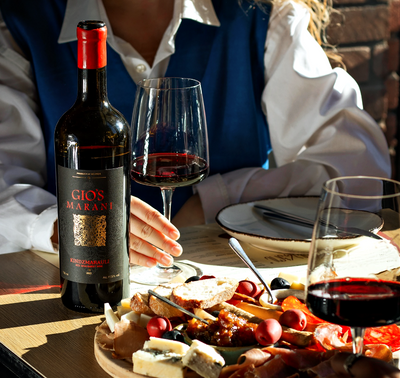
Georgian Wine Basics: Varieties, Styles, and Tasting Tips

Updated on: 2026-04-29
Georgian wine offers a distinct taste shaped by ancient methods, regional grape choices, and traditional vessels. Many producers emphasize natural practices, including fermentation in amphora, to preserve texture and aromatic clarity. This guide explains what makes Georgian wine different, highlights purchasing pros and cons, and provides a practical buyer’s checklist. You will also find pairing ideas, storage tips, and a short Q&A to support confident decisions.
TLDR | Did You Know? | Comparison: Pros & Cons | Buyer’s Checklist | Final Thoughts & Advice | Q&A Section | About the Author Section
TLDR
If you want wine with history, structure, and expressive fruit, Georgian wine is a strong choice. Look for labels that mention fermentation in amphora and regional styles such as dry red, dry white, or medium sweet. Choose bottles by pairing needs and by balance between acidity, tannin, and alcohol. With the right bottle, Georgian wine can work for everyday meals and for hosting at home.
Introduction Paragraph
Georgian wine stands out for its heritage and its sensory range. It reflects long-standing viticulture traditions across diverse climates and distinctive winemaking techniques, including fermentation in amphora. For shoppers, this means there are options for many palates, from bright dry whites to robust dry reds and approachable sweet styles. This article helps you understand what to expect, what to check on the label, and how to select a bottle that matches your taste and your table.
Did You Know?
- Georgian wine traditions include fermentation in amphora, a method that can support distinct aromas and gentle texture.
- Many wine regions in Georgia follow long-established grape varieties, which influences flavor profiles more than global blending trends.
- Natural-oriented practices are common in segments of the Georgian market, especially where winemakers aim to preserve character rather than mask it.
- When shopping, you can often find Georgian wine expressed as dry red, dry white, or medium sweet, making it easier to choose by style.

Amphora shapes, swirling aroma icons, and grape clusters
Comparison: Pros & Cons
Choosing Georgian wine can be simple when you weigh the strengths and the tradeoffs. Below is a practical comparison for common buyer priorities.
- Pros: Distinct regional character driven by local grape varieties.
- Pros: Many bottles emphasize texture and aromatic clarity, especially styles associated with fermentation in amphora.
- Pros: A wide range of sweetness levels supports both food pairing and casual sipping.
- Pros: Strong fit for Georgian-style meals, where acidity and tannin structure can balance herbs and savory profiles.
- Cons: Some natural-forward wines can show more variability between vintages and batches.
- Cons: Label terms such as dry, medium sweet, or varietal name may require closer attention if you are taste-sensitive to acidity or tannin.
- Cons: Certain amphora-fermented profiles can feel different from stainless-steel expectations, even within the same grape variety.
To connect wine choices to food, consider starting with a pairing goal. If you plan to serve herbs, grilled meats, or rich stews, a dry red may provide the necessary backbone. If your menu features lighter proteins, vegetable dishes, or fresh salads, a dry white often creates a cleaner finish.
Buyer’s Checklist
Use this checklist to purchase Georgian wine with confidence. It is designed for quick scanning at checkout and for clear decision-making at home.
- Confirm the style: Decide between dry red, dry white, or medium sweet based on your food plan and taste preferences.
- Look for amphora cues: If you want the expressive texture often associated with natural wines fermented in amphora, check the product description and label notes.
- Prioritize grapes and regional character: Variety names and regional style descriptions help predict body, acidity, and tannin.
- Match your tannin comfort: If you prefer a smoother mouthfeel, choose a medium-leaning red style. If you like structured reds, select a more robust dry red profile.
- Plan for serving temperature: Cool whites slightly and serve reds with modest cellar temperature to highlight aroma.
- Consider batch freshness: While Georgian wines can age well, most buyers enjoy freshness in dry whites and versatile dry reds.
- Pair with complementary flavors: Herbs, garlic-forward dishes, and lightly spicy sides tend to pair well when the wine has balanced acidity or moderate sweetness.
If you are building a Georgian-themed table, plan your pantry components early. A well-matched sauce or seasoning can elevate the meal and make the wine feel more cohesive. For example, you can explore Georgian-style accompaniments such as Saperavi and related red profiles to anchor your menu around a confident red choice.
Because all products are from country Georgia, you can also expect consistency in regional identity across the range. That matters when you want your wines and ingredients to share a cultural flavor logic, especially for herb-forward cooking.
Suggested buying paths by goal
- For a first-time exploration: Select one dry red and one dry white to compare acidity, aromatic range, and mouthfeel side by side.
- For food-forward hosting: Choose a dry red with balanced tannin for savory mains, and a dry white to refresh the palate between courses.
- For approachable sipping: Consider a medium sweet style if you prefer fruit-driven ease and a softer finish.

Pairing scene with herbs, glass outlines, and balanced scales
Final Thoughts & Advice
Georgian wine rewards attention to detail. When you focus on style, grape character, and winemaking notes, you can predict how the bottle will behave with food and how it will feel on the palate. Amphora-fermented options and natural-oriented approaches often deliver a more textured profile, but the best selection still depends on your personal balance preferences.
If you want to take the next step, build a small tasting lineup. Start with a dry white to establish aroma clarity, then move to a dry red for structure. If you enjoy fruit-forward finishes, include a medium sweet bottle. Keep notes on acidity, tannin, and overall impression rather than relying only on grape reputation. This approach helps you select bottles that align with your taste from one purchase to the next.
For wider context on Georgian-inspired shopping and meal planning, you can also visit Kg2g.store for additional ideas that complement wine selections.
Q&A Section
What makes Georgian wine different from other wine traditions?
Georgian wine is shaped by local grape varieties, regional practices, and methods that can differ from many mainstream production workflows. A common point of interest is fermentation in amphora, which can contribute to a distinctive texture and aromatic expression. The overall result is often a more expressive, food-friendly profile that reflects its place of origin.
How do I choose between dry red, dry white, and medium sweet Georgian wine?
Choose dry red when you want structure and pairing flexibility with savory mains. Choose dry white when you want freshness, clarity, and a clean finish for lighter dishes. Choose medium sweet when you prefer fruit-led balance and a softer finish that can complement spiced foods or richly flavored sides. If you are unsure, starting with one dry red and one dry white is a reliable baseline.
Are Georgian wines only for special occasions?
No. Many Georgian wine styles are well suited to everyday meals because they tend to pair effectively with herbs, savory sauces, and balanced seasoning. The key is to select a bottle by style and mouthfeel, then serve at the appropriate temperature. With the right pairing, Georgian wine can feel natural and approachable.
Should I expect variability in natural-forward Georgian wine?
In segments where natural-oriented methods are emphasized, some variability can occur because the goal is to preserve character rather than standardize every sensory element. That does not mean quality is inconsistent, but it does mean you should read descriptions carefully and consider trying more than one bottle to find your preferred profile.
About the Author Section
TAMADA is a content and commerce team specializing in Georgian food and wine education. The team focuses on practical guidance for shoppers, including pairing logic and label-based decision-making. With a mission to help customers select confidently, TAMADA supports informed purchases through clear, actionable insights. Thank you for reading, and enjoy exploring Georgian wine thoughtfully.
Disclaimer: This article is for general educational purposes only and does not provide medical advice. Always check product labels for ingredients and storage instructions, and drink responsibly.