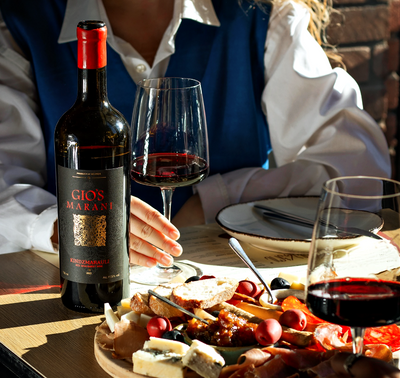
Organic Georgian Wine Pairings for Everyday Meals

Organic Georgian wine represents a tradition shaped by place, people, and patient craft. Many Georgian producers prioritize minimal intervention, soil health, and careful handling from vineyard to cellar. This style often highlights clean fruit, expressive aromatics, and layered texture shaped by long contact methods. With the right pairing and serving approach, it can feel both approachable and deeply authentic. Use this guide to select bottles thoughtfully and serve them to match your table and your palate.
Organic Georgian wine: Overview, traditions, and what to expect
For wine lovers who appreciate character, texture, and a sense of origin, organic Georgian wine offers a compelling path. Georgia is widely regarded as one of the oldest wine-making regions in the world. That long history is not just a story; it is reflected in grape selections, cellar practices, and the social ritual of the supra. When organic principles are applied, the experience can become even more vivid and precise, because the goal is to support the vineyard and let the fruit and site speak clearly.
Organic wine, in practice, is about how grapes are grown and how fermentation and maturation are managed. While certification details vary by producer and country, the core intention is consistent: reduce chemical inputs in the vineyard and use winemaking methods that respect natural expression. In Georgia, those intentions often align with age-old techniques, including gentle extraction and time-focused maturation in traditional vessels and cellars. The result can be a wine that feels expressive, not forced, and that pairs naturally with bold, aromatic foods.
Organic Georgian wine also invites a sensory mindset. Instead of chasing one-dimensional sweetness or uniform flavor, you can look for aromatics that suggest fruit skin, dried herbs, flowers, and subtle spice. Many styles show texture and depth that build on layers rather than volume. Even when the wine is dry, it may present a soft, rounded feel thanks to contact time, grape variety, and careful aging decisions.
What makes it organic in a Georgian context
Organic viticulture typically focuses on healthier soils, biodiversity, and targeted interventions when needed. In Georgian settings, growers may use local grape cultivars and site-specific training systems, then manage weeds, pests, and moisture with an approach that aims to keep the ecosystem stable. At the winery, winemaking is often handled with attention to temperature control, fermentation stability, and minimal processing.
The most meaningful takeaway is not a single label word. It is the overall balance between agricultural restraint and cellar craftsmanship. When both align, the wine tends to show clarity and typicity. It may also show a slightly rustic charm that feels connected to the land, especially in traditional styles.

Vineyard rows, soil texture, and aromatic herb icons
Key style patterns to look for
Organic Georgian wine can appear across red, white, rosé, and skin-contact styles. However, readers often notice recurring patterns when they start comparing bottles:
-
Aromatic lift: notes of peach, pear, apple skin, wildflowers, or citrus peel on white styles; and cherry, blackberry, and dried rose on reds.
-
Textural definition: tannins that feel structured but not harsh in reds; and body that feels textured rather than watery in whites.
-
Spice and herb character: impressions that match Georgian cuisine, including hints of dried herbs, bay leaf-like aromas, and peppery finish.
-
Food friendliness: an ability to handle sauces, grilled meats, and vegetable dishes without losing balance.
These patterns make selection easier. Rather than searching by vague descriptors, you can match what you enjoy at the table: herbs, char, acidity, and savory sauces.

How-To Guide: Choose Organic Georgian wine with Confidence
To choose a bottle that suits your preferences, approach it like a tasting plan. Start with your food and your service style, then match grape variety and regional character. Use the steps below to make selection feel clear and repeatable.
Step 1: Identify your table goals (dry, aromatic, or textured)
Begin by deciding what you want the wine to do at the meal. Are you planning a lighter spread with herbs and vegetables, or a heavier table with roasted meats and rich sauces? For many diners, organic Georgian wine that is dry and aromatic works well with salads, grilled vegetables, and herbed appetizers. If you expect spicy, smoky, or braised dishes, look for red wines with firm structure and a spice-driven finish.
Step 2: Match grape variety to your flavor profile
Georgia is known for distinctive grape varieties. You can use grape identity to predict aromatics and texture:
-
Saperavi often brings deep color, dark fruit, and savory depth. It typically pairs well with lamb, beef, mushrooms, and tomato-based dishes.
-
Rkatsiteli-style whites tend to offer citrus, stone fruit, and sometimes a mineral edge. They pair well with fish, creamy herbs, and lighter meat dishes.
-
Skin-contact traditions in some Georgian white styles can bring tea-like tannins, textured mouthfeel, and herbal complexity, making them suitable for roasted vegetables and hearty spreads.
If your palate prefers softer tannins and brighter fruit, prioritize wines described as medium-bodied and focus on aromatic lift rather than heavy extraction.
Step 3: Read fermentation and maturation cues
Winemaking details often signal style. Words like “dry,” “traditional,” “qvevri” or “clay vessel,” and references to time in cellar can indicate a richer texture or more nuanced aromatics. When you see structured tannins, consider how they will interact with food oils, grilled edges, and spice levels.
Organic does not automatically mean lighter in flavor. It can also mean the producer managed extraction and maturation in a way that supports clarity rather than masking. Look for descriptions that emphasize balance, aromatics, and clean finish.
Step 4: Plan food pairings around supra-style flavors
Georgian cuisine often revolves around grilled meats, fresh herbs, pickles, walnut-based sauces, and warm bread. Organic Georgian wine generally shines when pairing across these elements. Consider pairing by flavor direction:
-
Herb-forward dishes: choose aromatic whites or lighter reds with good acidity.
-
Char and smoke: choose reds with savory depth and firm structure.
-
Sour and briny notes: choose wines with steady acidity and clean fruit.
-
Nut and spice sauces: choose wines that can hold richness without tasting dull.
For practical guidance on Georgian-style red matches, you may also explore Saperavi-inspired red selection from the Tamada range as a reference point for dry, medium styles.

Step 5: Serve and decant for best expression
Serving temperature matters. Over-cooling can mute aromatics, while serving too warm can emphasize alcohol perception. For most organic Georgian reds, a moderate cool setting supports fruit clarity and preserves a dry finish. For fuller-bodied reds, short decanting can soften tannin edges and allow herbal notes to open.
In the glass, give the wine time. Many Georgian styles benefit from a few minutes of aeration, especially if you want to explore spice and dried herb notes. This approach supports a tasting that feels deliberate, not rushed.
To complete the table rhythm, consider the balance of salt, acidity, and spice. If your menu includes bold seasonings, organic Georgian wine with structured fruit often stays coherent.
Common Questions Answered
Is organic Georgian wine always qvevri wine?
No. Organic status focuses on agricultural practices and winemaking choices. Qvevri refers to a traditional maturation method using clay vessels, and some producers use that method while others do not. A bottle can be organic without being aged in clay, and some traditional styles can be produced with different approaches. The most reliable method is to check the product description for maturation and style cues.
How should I pair organic Georgian wine with Georgian dishes?
Start by matching wine structure to dish richness. Aromatic dry whites work well with herbs, salads, and lighter starters. For grilled meats and tomato-based dishes, choose reds with savory depth and a balanced finish. If the table includes pickled or briny elements, select wines with steady acidity so the pairing feels clean rather than heavy. When you build pairings across herbs, char, and sour notes, the wine often tastes more coherent.
What is the best way to choose between red and white?
Choose based on your expected flavors. If your meal is herb-forward and includes fish or lighter preparations, prioritize dry whites for crisp aromatics and clarity. If your meal is centered on roasted meats, mushrooms, and richer sauces, prioritize red wines for tannin structure and spice-driven character. For mixed menus, consider selecting one red and one aromatic dry white so you can match courses with precision.
Where can I find examples of Georgian wine styles to compare?
You can compare different Georgian profiles by exploring curated selections from a specialist retailer. For instance, you can review dry Saperavi examples to understand how structured reds present aromatics and tannin. For those interested in a range of Georgian-inspired dry profiles, the dry white mix format can help you explore different aromatic directions in one tasting set.
As an optional aside unrelated to wine selection, you can also browse Postjoyebike if you are building a lifestyle hobby list, but it is not required for choosing wine.
Summary & Next Steps
Organic Georgian wine is more than a label trend. It reflects a disciplined approach to growing and a respectful, craft-led style in the cellar. When you choose with purpose, you can match the wine to your table rather than forcing your table to match the wine.
Next, pick your direction: aromatic dry whites for herb-forward menus, structured reds for grilled dishes and savory sauces, or textured styles for roasted vegetables and rich spreads. Then, serve at a suitable temperature, allow a brief aeration window, and taste alongside key foods from your menu. This method builds confidence quickly and turns each bottle into a clearer learning experience.
If you want to compare specific profiles, start by reviewing one dry red and one aromatic white from a trusted selection, then keep notes on aromatics, mouthfeel, and finish. Over time, you will develop a precise shortlist that matches your personal preferences and your hosting style.
About the Author
TAMADA is an Australia-based specialist in Georgian wine and Qvevri wines. The author team brings experience in wine education, regional mapping, and pairing guidance for wine lovers, foodies, sommeliers, and restaurant teams. The editorial approach focuses on clarity, terroir expression, and reliable tasting frameworks. Thank you for reading, and enjoy exploring Georgian wine with curiosity and confidence.
The content in this blog post is intended for general information purposes only. It should not be considered as professional, medical, or legal advice. For specific guidance related to your situation, please consult a qualified professional. The store does not assume responsibility for any decisions made based on this information.