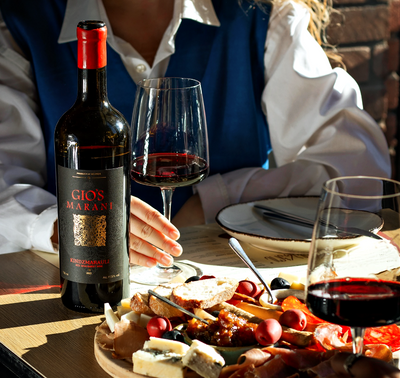
Saperavi Georgian Wine: How to Choose Saperavi Wine: A Complete Buyer’s Guide . Tasting Notes and Food Pairings

Saperavi Georgian wine delivers depth, structure, and an unmistakable berry-led character.
It reflects the confidence of Georgian winemaking, shaped by historic grape selection and cellar practice.
With the right pairing, its tannins and acidity feel balanced rather than sharp.
This guide helps buyers and diners choose a bottle that fits their taste, then match it to supra foods and regional spices..
Introduction | Buyer’s Checklist | Step-by-Step Guide | Pairing Insights | Serving and Storage | FAQ | Closing Thoughts & CTA
Saperavi Georgian wine is often described as powerful, but the most accurate description is more precise: it is expressive. The Saperavi grape tends to show dark fruit, earthy spice, and a savory edge that invites food. In Georgian wine culture, these qualities matter because wine is meant to move with the table, not just sit beside it. If you are a wine lover planning a tasting, a restaurant buyer shaping a by-the-glass list, or a sommelier preparing a regional feature, Saperavi can anchor the entire experience. This article explains what to look for, how to select a bottle confidently, and how to pair it with supra dishes, sauces, and spices.
Quick facts
Saperavi is Georgia’s signature red grape and one of the most exciting red wines to discover. At Tamada.au, Saperavi ranges from light, easy-drinking reds to premium oak-aged reserves and traditional qvevri wines.
This guide helps you choose the best Saperavi for your taste, meal and occasion.
Saperavi is a teinturier variety. Deep in colour, rich in flavour and naturally food-friendly, Saperavi can range from light and easy drinking to bold, oak-aged, qvevri-made and cellar-worthy.
Why Saperavi Is Unique
Saperavi is Georgia’s most famous red grape. Its name means “to dye”, referring to its naturally deep colour. Unlike most red grapes, Saperavi has both dark skins and dark flesh, making it one of the rare teinturier varieties.
Typical Saperavi flavours include blackberry, black cherry, plum, pomegranate, liquorice, dark chocolate, black pepper and earthy spice. Depending on the winemaking style, it can be smooth and fruit-forward, powerful and oak-aged, or savoury and traditional when made in qvevri.
Quick Tip:
If you enjoy Shiraz, Cabernet Sauvignon, Malbec, Tempranillo or full-bodied Pinot Noir, Saperavi is an excellent Georgian wine to explore.
Whichever bottle you choose, Saperavi offers a rich and memorable taste of Georgia’s ancient winemaking heritage.
-
Check the wine style: verify whether it is dry red, medium dry, or sweet. This clarifies the sweetness balance and tannin feel.
-
Prioritise Saperavi-led character: look for language that signals dark berries, plum tones, dried herb notes, or clove-like spice.
-
Read the origin region: many Saperavi bottlings highlight Kakheti, which often signals a tradition-rich production approach.
-
Assess structure before buying: if the description mentions firm tannins and strong acidity, prepare to pair with robust dishes.
-
Consider cellar time needs: if a bottle is described as youthful, plan for decanting or gradual pouring at the start of the meal.
-
Match with your menu: choose a style that can handle grilled meat, mushroom dishes, and tomato-forward sauces.

Quick Buying Guide: Which Saperavi Should You Choose?
-
Define your goal: decide whether you want a table wine for daily dining, a food-pairing companion for a long meal, or a tasting feature for guests.
-
Choose a dry red expression for versatility: dry Saperavi Georgian wine generally performs well with spicy herbs, roasted vegetables, and slow-cooked meat.
-
Inspect the tasting direction: look for notes that suggest dark cherry, blackberry, plum, or pomegranate-like fruit, plus spice and savory undertones.
-
Select the right bottle for your timeline: if you want immediate impact, pick a bottle described as ready to enjoy; if you want deeper evolution, consider a more cellar-focused release.
-
Plan a decanting moment: for fuller-bodied bottles, allow air exposure for several minutes before service. This helps the aromatics open.
-
Pair with Georgian flavours: build the table with herbs, roasted peppers, and sauces that mirror the wine’s savory depth.
-
Serve with correct temperature: serve slightly cool rather than warm so the acidity stays crisp during long meals.
| If you want... | Choose... | Best For |
|---|---|---|
| Light and easy drinking | Tbilisi Red | Casual meals |
| Best value | TAMADA Saperavi Dry Red | Everyday drinking |
| Classic introduction | Tbilvino Saperavi | First Georgian red |
| Organic style | Gurashvili 1.5L / Tsinandali Estate Biodynamic | Natural wine lovers |
| Mukuzani style | Gio’s Marani Mukuzani / Winiveria Mukuzani | Roast meats |
| Qvevri wine | Binekhi, Gurashvili, Teliani Valley or Papari Valley Qvevri | Traditional Georgian style |
| Premium full-bodied | TAMADA Grand Reserve | Steak and gifts |
| Collector wine | Tsinandali Estate Reserve / Papari Valley 3 Terraces | Cellaring |
| Dessert or spicy food | Kindzmarauli / Papari Valley Semi-Sweet | Sweet and spicy dishes |

Which Saperavi Needs Decanting?
| Decanting Time | Wines |
|---|---|
| No decanting | Tbilisi Red, Tbilvino Saperavi Rosé, TAMADA Saperavi, Tbilvino Saperavi, Gio’s Marani Saperavi, Sachino |
| 20–30 minutes | Winiveria Saperavi, Mukuzani, Gio’s Marani Mukuzani, Friends Wine Mukuzani |
| 30–60 minutes | TAMADA Grand Reserve, Saperavi Special Reserve, Gio’s Marani Reserve, Papari Valley 3 Terraces, Mukuzani Special Reserve |
| 45–60 minutes | Binekhi Qvevri, Gurashvili Qvevri, Teliani Valley Glekhuri, Papari Valley Qvevri, mature Tsinandali Estate reserves |
Serving Tip:
Serve dry Saperavi slightly cooler than room temperature, around 16–18°C. Lighter styles can be served a little cooler, while fuller reserve wines should be allowed to open slowly in the glass.
Which Saperavi is best for beginners?
Tbilvino Saperavi and TAMADA Saperavi Dry Red are excellent starting points because they are balanced, approachable and easy to pair with food.
Which Saperavi is best with steak?
TAMADA Saperavi Grand Reserve, Gio’s Marani Mukuzani and Mukuzani Special Reserve are excellent choices for steak.
Which Saperavi is most traditional?
For traditional Georgian winemaking, choose qvevri styles such as Binekhi Qvevri Saperavi, Gurashvili Qvevri Saperavi, Teliani Valley Glekhuri or Papari Valley 3 Qvevri Terraces.
Which Saperavi should I decant?
Decant premium reserve, Mukuzani and qvevri wines. Everyday wines can usually be served immediately.
Is Saperavi always dry?
No. Many Saperavi wines are dry, but Georgia also produces medium-dry and naturally semi-sweet styles such as Kindzmarauli and Papari Valley semi-sweet Saperavi.
Which Saperavi is best as a gift?
TAMADA Grand Reserve, Papari Valley 3 Terraces, Tsinandali Estate Reserve and Binekhi Qvevri Saperavi make excellent wine gifts.
Food Pairing Guide
| Dish | Best Saperavi |
|---|---|
| Pizza or pasta | Tbilisi Red or TAMADA Saperavi |
| BBQ | Tbilvino Saperavi or Gio’s Marani Saperavi |
| Khinkali | Tbilvino Saperavi |
| Steak | TAMADA Grand Reserve or Gio’s Marani Mukuzani |
| Slow-cooked lamb | Binekhi Qvevri or Teliani Valley Glekhuri |
| Roast beef | Mukuzani Special Reserve or Winiveria Mukuzani |
| Spicy dishes | Kindzmarauli, Sachino or Papari Valley Semi-Sweet |
| Dessert | Kindzmarauli or Papari Valley Semi-Sweet |
For additional pairing and menu-building ideas, you can also explore a complementary Georgian red profile here: Tbilvino Saperavi 2023.
Pairing Insights
Saperavi Georgian wine thrives when food mirrors its structure. Expect tannins and a confident core of fruit supported by earthy seasoning. That profile works especially well with dishes that use herbs, roasted flavours, and tangy sauces. In Georgian dining, the concept of supra often shapes the pairing logic: wine supports variety, and each course rebalances the palate.
Core pairings for Saperavi
-
Charcoal-grilled meats: lamb, beef, and kebab-style cuts match the savory spice and fruit weight.
-
Wild mushrooms and roasted root vegetables: the wine’s earth notes align naturally with umami and caramelised edges.
-
Tomato-forward stews: acidity in the food meets the wine’s balancing backbone.
-
Spiced Georgian sauces: pepper, garlic, and herb-driven condiments create a bridge between aromatics.
Spice, herbs, and sauce bridges
Georgian spice blends and table sauces often act like a translator between strong tannins and rich flavours. For example, if your table includes spiced seasoning used in hearty cooking, it can emphasize the wine’s dark fruit and reduce perceived dryness. Consider exploring Georgian cooking staples that pair well with robust reds, such as borsch seasoning for soup and braises. While it is not a Georgian dish by origin, it supports the same comfort-food structure that Saperavi commonly accompanies.
If you prefer a more direct Georgian condiment route, build sauce depth with pepper-based heat and herb character using pickled hot green peppers. The pickled acidity and spice align well with the wine’s fruit and tannin framework.
Serving and Storage
Correct service improves perceived clarity in aromatics and helps the palate read the wine as layered rather than heavy. Start with a clean glass and a measured pour. For many dry red Saperavi expressions, decanting can refine the initial impression, especially if the wine is still showing a youthful grip.
Practical service steps
-
Glasses: choose red-wine glasses with a slightly narrower opening to concentrate aromatics.
-
Temperature: serve cool to moderate, not warm. If the room is hot, allow the bottle to settle rather than pushing it toward cellar warmth.
-
Decanting: if the bottle is full-bodied, decant briefly to soften edges and invite fruit expression.
-
Pouring rhythm: start with a smaller pour, then add after the first aromas open.
Storage principles
Store bottles horizontally in a cool, stable environment away from direct sunlight. Keep vibration and temperature swings minimal. Many readers store bottles for both immediate dining and future tastings; stable conditions preserve aroma integrity and support gradual integration of tannin and fruit.
When you are planning a multi-bottle night, create a simple “wine map” approach. Begin with a lighter profile to frame the palate, then move toward structured reds such as Saperavi. This sequence helps guests notice changes in fruit depth, spice intensity, and finish length. For another Georgian-style pairing angle, you may also consider a sweet companion when desserts are on the menu, such as a medium sweet option: Khvanchkara. Use it intentionally for contrast rather than as a default substitute.
FAQ
What does Saperavi Georgian wine taste like?
Saperavi Georgian wine commonly shows dark berry flavours such as blackberry or plum, along with earthy and spiced notes. Depending on the specific bottling, it can feel structured with firm tannins and a savory finish. The overall character tends to be bold enough for hearty food, while acidity keeps the profile from feeling flat.
Is Saperavi meant to be paired with meat or can it work with vegetarian dishes?
It can work well with both. For meat, grilled or braised cuts align with the wine’s depth. For vegetarian tables, pair Saperavi with mushroom dishes, roasted vegetables, or lentil-based meals that include herbs and seasoning. When the dish has savoury depth, the pairing becomes natural rather than forced.
How should I serve Saperavi to avoid harsh tannins?
Serve it slightly cool, and consider a short decanting period for full-bodied bottles. Pour in stages so the wine can open as guests drink. Pair with foods that provide fat, protein, or tangy sauce elements, because these components soften the perception of tannin while highlighting fruit and spice.
What is the best way to choose between different Saperavi bottles?
Start by selecting the style that matches your plan. If you want food versatility, choose a dry red that emphasises structure and balanced acidity. If you are planning a tasting, select bottles described with clear aromatic direction such as dark fruit and spice, and verify origin details that reflect your preferred Georgian style, including Kakheti.
You’re right — I only gave part of it. Here is the complete HTML list with the same formatting style continued for every wine:
Shop the Full Saperavi Collection
Explore Tamada’s complete range of Georgian Saperavi wines, including dry reds, qvevri wines, Mukuzani, reserve wines, organic styles, semi-sweet reds and premium collector bottles.
Light & Easy Drinking Saperavi
Tbilisi Red
A lighter Georgian red made with Saperavi and Rkatsiteli. Smooth, fresh and easy to enjoy, with bright red fruit and soft tannins.
Best for: pizza, pasta, burgers, poultry, casual meals and first-time Georgian wine drinkers.
Decanting: Not required.
Tbilvino Saperavi Rosé
A dry rosé expression of Saperavi for those who want freshness, lighter body and bright fruit character.
Best for: summer meals, seafood, salads, grilled chicken and outdoor entertaining.
Decanting: Not required.
Everyday Table Saperavi
TAMADA Saperavi Dry Red Wine
An excellent value Saperavi with dark cherry, mulberry, soft oak and balanced tannins. A reliable everyday Georgian red.
Best for: grilled lamb, stews, aged cheeses and casual dinners.
Decanting: Not required.
Tbilvino Saperavi
A classic dry Georgian red with blackberry, plum, cherry and gentle spice. This is one of the easiest introductions to traditional Georgian red wine.
Best for: BBQ, khinkali, roast chicken, grilled meat, pasta and weeknight dinners.
Decanting: Not required.
Gio’s Marani Saperavi
A fruit-driven dry red from Kakheti with dark cherry and blackberry notes. A good choice for customers wanting an approachable Georgian red with classic Saperavi character.
Best for: BBQ, roast meats, rich pasta and casual entertaining.
Decanting: Not required.
Winiveria Saperavi
A refined dry Saperavi with more depth and structure than simple table styles, while still remaining smooth and enjoyable.
Best for: dinner parties, roast beef, lamb and cheese boards.
Decanting: Not required.
Gurashvili Organically Grown Saperavi 1.5L
A generous large-format bottle made from organically grown grapes. Excellent for entertaining, Georgian-style feasts and celebrations.
Best for: sharing tables, BBQs, large dinners and gifts.
Decanting: Not required.
Mukuzani
Mukuzani is one of Georgia’s most respected red wine appellations. Wines from this area are usually dry, structured and oak-influenced, making them excellent with red meat and slow-cooked dishes.
Mukuzani Georgian Wine
A classic dry Mukuzani made from Saperavi, offering a stronger and more structured profile than everyday table wines.
Best for: roast beef, lamb, grilled mushrooms and hard cheeses.
Decanting: 20–30 minutes recommended.
Winiveria Mukuzani
A polished Mukuzani with dark fruit, smooth texture and food-friendly structure.
Best for: roast meats, lamb, dinner parties and Georgian supra.
Decanting: 20–30 minutes recommended.
Gio’s Marani Mukuzani
A rich oak-aged Mukuzani with blackberry, dark cherry, plum, spice and smooth tannins.
Best for: steak, barbecue, lamb, mushroom dishes and aged cheeses.
Decanting: 20–30 minutes recommended.
Friends Wine Mukuzani 2023
A premium dry red made from 100% Saperavi. A strong choice for those who want classic Kakheti character with depth and balance.
Best for: Georgian food, grilled meat and premium casual dining.
Decanting: 20–30 minutes recommended.
Mukuzani Special Reserve
A more premium aged Mukuzani expression with extra structure, oak character and depth.
Best for: steak, roast lamb, gifts and cellaring.
Decanting: 30–60 minutes.
Traditional Qvevri Saperavi
Qvevri wines are made using Georgia’s ancient clay-vessel winemaking tradition. These wines are usually more textured, savoury and earthy than modern European-style Saperavi.
Qvevri Saperavi
A traditional dry amphora-style Saperavi with deeper texture and old-world complexity.
Best for: Georgian cuisine, grilled lamb, stews and adventurous wine lovers.
Decanting: 30–45 minutes recommended.
Gurashvili Qvevri Saperavi
Bold, silky and textured, with blackberry, cherry, mocha and spice. A strong choice for customers wanting a serious qvevri red.
Best for: steak, lamb, burgers and cellaring.
Decanting: 45–60 minutes.
Shop Gurashvili Qvevri Saperavi
Teliani Valley Glekhuri Saperavi
A dry qvevri amphora wine from Kakheti with savoury depth and traditional character.
Best for: slow-cooked lamb, Georgian feasts and rich meat dishes.
Decanting: 30–45 minutes recommended.
Shop Teliani Valley Glekhuri Saperavi
Binekhi Qvevri Saperavi 2016
Aged, dry and amphora-made, this is a more mature qvevri Saperavi for customers who enjoy savoury, earthy and complex reds.
Best for: duck, venison, roast lamb, Georgian supra and collectors.
Decanting: 45–60 minutes.
Papari Valley 3 Qvevri Terraces Bio Saperavi 2020
An organic semi-dry qvevri Saperavi with texture, structure and a softer finish. Excellent for those who enjoy traditional winemaking but want a more rounded style.
Best for: spicy food, roasted vegetables, lamb and Georgian dishes.
Decanting: 20–30 minutes recommended.
Shop Papari Valley 3 Qvevri Terraces
Premium & Reserve Saperavi
TAMADA Saperavi Grand Reserve
A premium dry red with richer structure, deeper fruit and a more polished finish. This is an excellent bottle for steak, gifts and special dinners.
Best for: rib-eye steak, beef Wellington, roast lamb and celebrations.
Decanting: 30–60 minutes.
Saperavi Special Reserve
Aged reserve Saperavi with concentration, structure and maturity. A good choice when you want something more serious than an everyday table wine.
Best for: roast beef, lamb, hard cheeses and gifting.
Decanting: 30–60 minutes recommended.
Gio’s Marani Saperavi Reserve 2022
A premium reserve Saperavi with more body and depth than the standard dry style.
Best for: dinner parties, steak, roast lamb and premium everyday occasions.
Decanting: 30–60 minutes recommended.
Shop Gio’s Marani Saperavi Reserve
Papari Valley 3 Terraces Saperavi 2019
A refined dry Saperavi with elegance, structure and excellent ageing potential. Ideal for collectors and premium tastings.
Best for: fine dining, cellar selection, gifts and special occasions.
Decanting: 30–60 minutes.
Tsinandali Estate Saperavi Usakhelouri 2017
A premium dry red combining Saperavi with rare Usakhelouri. Best suited to customers looking for a distinctive, aged Georgian red.
Best for: collectors, rare wine lovers and special dinners.
Decanting: 30–60 minutes.
Shop Tsinandali Estate Saperavi Usakhelouri
Tsinandali Estate Saperavi Biodynamic 2018
A biodynamic dry Saperavi for customers who enjoy expressive, vineyard-focused wines with natural complexity.
Best for: organic wine lovers, collectors and premium Georgian tastings.
Decanting: 30–60 minutes recommended.
Shop Tsinandali Estate Biodynamic Saperavi
Tsinandali Estate Saperavi Reserve 2017
An aged dry reserve wine with structure and maturity. A serious bottle for those who enjoy older Georgian reds.
Best for: cellaring, special dinners and premium gifts.
Decanting: 30–60 minutes.
Shop Tsinandali Estate Saperavi Reserve 2017
Tsinandali Saperavi Reserve 2014
A mature aged reserve Saperavi, ideal if available for customers who want a cellar-developed bottle.
Best for: cellaring, collectors and premium gifts.
Decanting: 30–60 minutes.
Shop Tsinandali Saperavi Reserve 2014
Mukado Saperavi Shavkapito 2017
An unfiltered dry red blending Saperavi with Shavkapito. This is a distinctive choice for adventurous drinkers who enjoy texture and complexity.
Best for: wine tastings, Georgian cuisine and collectors.
Decanting: 30–45 minutes recommended.
Shop Mukado Saperavi Shavkapito
Semi-Sweet & Softer Saperavi Styles
Sachino Medium-Dry Red
A softer, medium-dry Saperavi style for customers who prefer less dryness and smoother fruit.
Best for: spicy dishes, casual meals and people who prefer gentle reds.
Decanting: Not required.
Friends’ Wine Kindzmarauli 2024
A premium semi-sweet Georgian red made from Saperavi. Kindzmarauli is ideal for those who enjoy ripe berry sweetness balanced by freshness.
Best for: desserts, spicy dishes, blue cheese and fruit-based desserts.
Decanting: Not required.
Shop Friends’ Wine Kindzmarauli
Papari Valley Saperavi Semi-Sweet 2019
A premium semi-sweet Saperavi from Papari Valley with ripe fruit, softness and depth.
Best for: chocolate desserts, spicy food, berry desserts and relaxed sipping.
Decanting: Not required.
Shop Papari Valley Semi-Sweet Saperavi
Summary
Saperavi Georgian wine offers a confident blend of dark fruit, spice, and savory depth, making it a strong centrepiece for supra-inspired meals. When you choose the right style and serve it with thoughtful food pairings, the wine becomes more than a bottle; it becomes a table narrative. If you are building a Georgian wine selection for home or for service, explore the Saperavi options and select one that aligns with your menu and guest expectations.
For direct product guidance and additional Georgian pairing ideas, visit TAMADA Georgian wine selection and review the available Saperavi bottlings and complementary foods.
Disclaimer: This article is for informational purposes only. Product availability, tasting notes, and styles may vary by vintage and release. Always verify details on the specific product page before purchase.
Final Thoughts
Saperavi is not just one wine style. It can be light and easy drinking, smooth and fruit-forward, bold and oak-aged, savoury and qvevri-made, or soft and semi-sweet.
If you are new to Georgian wine, start with Tbilvino Saperavi or TAMADA Saperavi Dry Red. For a special dinner, choose TAMADA Grand Reserve, Gio’s Marani Mukuzani or Papari Valley 3 Terraces. For an authentic Georgian experience, explore Binekhi Qvevri, Gurashvili Qvevri or Teliani Valley Glekhuri Saperavi. For spicy food or dessert, choose Kindzmarauli or Papari Valley Semi-Sweet Saperavi.
About the Author
TAMADA supports wine lovers through an Australia-focused perspective on Georgian wine and Qvevri wines. The team works with wine education that emphasises grape character, regional context, and practical pairing guidance for home dining, restaurants, and events. Expertise highlights include Georgian wine regions, food matching, and service-ready selection for by-the-glass and curated tastings. For a confident next bottle, explore the current range and choose the one that best fits your table.
The content in this blog post is intended for general information purposes only. It should not be considered as professional, medical, or legal advice. For specific guidance related to your situation, please consult a qualified professional. The store does not assume responsibility for any decisions made based on this information.