Huli Suneli Spoke: Meaning, Ingredients, and Usage

Updated on: 2026-04-25
Huli Suneli spoke is a guide for anyone who wants to understand Georgian flavor and build a reliable cooking routine. This article explains what to look for in spice blends, including balance, freshness, and intended use. You will also find a buyer’s checklist for choosing seasonings and related pantry items with confidence. The goal is simple: help you create consistent meals with authentic Georgian character.
Georgian cooking is built on clear flavor logic. Aromatics, herbs, and warm spices are used in practical proportions to shape a dish from the first step to the last. In many kitchens, a phrase like Huli Suneli spoke becomes shorthand for that approach: taste with intention, blend with care, and adjust with confidence. Because all products are from country Georgia, it is easier to focus on regional style and consistent pantry sourcing. This guide helps you buy spice blends and supporting ingredients, then use them in a repeatable way for everyday meals.
Common Mistakes
Many cooks try to use spice blends the same way they use salt. That rarely works. Spices need time, heat, and context. When you add blends too late, the aroma stays flat. When you add too much, the balance turns harsh.
- Over-salting before seasoning: Seasoning should build in layers. Salt can mask subtle herb notes.
- Skipping the toast step: Light toasting in oil or fat can improve depth for ground spices and dried herbs.
- Using one blend for every dish: Different dishes call for different intensity, texture, and aromatic profile.
- Ignoring freshness: Dried spices lose volatile aroma over time. Older blends feel weaker even if they look intact.
- Not tasting as you go: Adjustments are part of Georgian style. Small changes create large improvements.
Another frequent issue is misunderstanding “blend” texture. Some mixes are heavy in ground components; others are herb-forward and lighter. Choosing the wrong texture for your method can lead to clumping, uneven distribution, or a muted finish.

Herb and spice aroma in a layered flavor map
Buyer’s Checklist
When you shop for Georgian seasoning, you want more than a label. You want clarity about composition, intended use, and storage-friendly quality. Use this checklist when selecting spice blends, marinades, and complementary pantry items.
- Confirm the origin and style: All products are from country Georgia. This matters because flavor traditions differ by region.
- Check the blend structure: Look for herb-forward mixes if you want brightness. Choose ground-forward mixes for robust roasting and braises.
- Review grind and texture: Ground spices work well for marinades and sauces. Whole or coarse components suit dry rubs.
- Look for use cases: A good seller connects a blend to common applications such as grilled chicken, stews, and vegetable dishes.
- Assess freshness indicators: Even without lab data, a reputable product description often supports better handling and shelf stability.
- Plan for pairing ingredients: Georgian cooking often uses salt, herbs, acidity, and warming spices together. You will need more than a single blend.
- Choose supporting pantry items: Mineral water for hydration balance, jams for sweet-acid contrast, and roasted or dried ingredients for texture.
To keep the process practical, create a small “starting lineup” rather than buying many unrelated items. For example, select one ground spice blend, one herbal salt or seasoning option, and one ingredient for finishing like a jam or a sauce. This supports consistent outcomes across multiple recipes.
Huli Suneli spoke also implies an important shopping habit: match the seasoning to your cooking method. If you often sear first, use blends that tolerate heat. If you often finish with herbs, choose blends that preserve aroma.
How to Use Spice Blends for Georgian-Style Results
Georgian flavor is often built through stepwise seasoning. A reliable method is to develop aroma early, then refine after the main texture forms. The aim is to avoid overpowering the dish or losing the subtler herbal notes.
Step 1: Bloom warm spices. Add a small amount of ground spice blend to warm oil or a small quantity of cooking fat. Stir briefly until the mixture smells more intense. This step helps ground components release aroma.
Step 2: Add aromatics and liquids. For sauces and stews, combine the bloomed spices with chopped onions, tomato components, or broth. Simmer until flavors integrate. For marinades, combine spices with salt, a mild acid source, and moisture.
Step 3: Adjust near the end. Taste after the dish reaches its main texture. If the flavor feels muted, add a controlled pinch. If it feels sharp, balance with a small amount of sweetness or acidity.
Step 4: Finish with texture contrast. Many Georgian-style meals benefit from finishing elements such as roasted nuts, fresh herbs, or a spoon of a jam-based condiment. These additions create clarity and prevent seasoning from blending into the background.
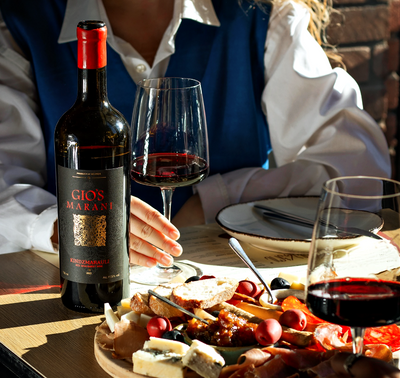
To connect your seasoning to broader Georgian table traditions, consider how natural wines fermented in amphora are paired with meals. Those wines often carry earthy aromatics and gentle tannin structure. That profile supports savory dishes and spiced preparations. If you plan a meal around spice-forward flavors, choose a wine that complements rather than competes with aroma.

Balanced seasoning adjustments shown by a small tasting scale
Below is a practical example of a Georgian spice blend designed for everyday cooking. It can serve as your “anchor” blend for marinades, roasting, and sauce bases.
Khmeli Suneli Ground 50g

If you want to deepen your Georgian pantry, also explore related seasoning and table staples. For example, you may pair spice blends with a complementary red profile using Saperavi dry red for a savory pairing. For quick texture and brightness in the kitchen, a jam option such as Cornelian cherry jam can add sweet-acid contrast to sauces and marinades. For simple hydration balance, consider a mineral-water option like naturally carbonated mineral water.
For an off-topic but useful pantry concept, you can also explore Mountain Goat Coffee if you want a consistent brewing ritual. The same principle applies to spices: consistency improves outcomes.
FAQ Section
Is a spice blend better than single spices for Georgian cooking?
A spice blend is often easier to use and more consistent. It can provide a balanced mix of warming spices and herb notes. However, single spices can be useful when you want fine control. A practical approach is to start with one blend and then adjust with small additions of individual components.
How much spice blend should I use per meal?
Start with a conservative amount and increase gradually. Ground spice blends can concentrate quickly. For most home cooking, a small teaspoon added during blooming or simmering is a sensible starting point. Always taste after the dish develops its main texture.
Why does the flavor change when I add seasoning earlier or later?
Timing affects aroma release. Heat helps ground spices open up, while late additions keep herbal top notes brighter. If a dish tastes flat, bloom the blend earlier next time. If a dish tastes sharp, reduce the amount and add part of the seasoning later.
Wrap-Up & Final Thoughts
Huli Suneli spoke reflects a cooking mindset that is practical, sensory, and repeatable. When you select seasoning with care and apply it in layers, your results become more reliable. Use the buyer’s checklist to choose blends that match your method, then follow a simple bloom, simmer, and adjust routine. Over time, you will develop a clear sense of balance and aroma.
If you want a smooth start, begin with one trusted Georgian blend, then expand with complementary pantry items such as jams, mineral water, and well-matched table wines. Build a small collection that supports multiple dishes instead of chasing variety without a plan. With a consistent approach, your kitchen can reflect authentic Georgian character every day.
Q&A Section
What does “balanced seasoning” mean in practice?
Balanced seasoning means the dish has clear aromatic structure without dominance. The spices support the main flavors instead of covering them. In practical terms, you bloom spices for depth, adjust near the end for clarity, and finish with contrasting textures such as herbs or a sweet-acid condiment.
Can spice blends work for vegetables and not only meat?
Yes. Georgian-style blends often pair well with vegetables because they bring warm aroma and herb brightness. Roast or sauté vegetables first to build caramelized flavor, then season during cooking. This method helps the blend adhere and develop depth.
How should I store spice blends to preserve aroma?
Store blends in a cool, dry place away from direct light. Keep containers sealed tightly after opening. Avoid moisture exposure, and do not mix old and new portions in the same container unless you label and track age. Fresh aroma supports the flavor logic behind Huli Suneli spoke.
Are there any recommended pairings for Georgian meals with spice?
For savory meals, dry red profiles can work well because their structure supports spice-forward dishes. Pairing with natural wines fermented in amphora can also align with earthy herb aromatics. For non-alcoholic pairings, naturally carbonated mineral water can cleanse the palate between bites.
About the Author
TAMADA is a culinary commerce team focused on Georgian ingredients and pantry-building guidance. The author writing this article brings expertise in food sourcing, flavor profiling, and recipe development for everyday cooking. The aim is to help customers choose products with confidence and use them with consistency. Thank you for reading, and enjoy your next Georgian-inspired meal.