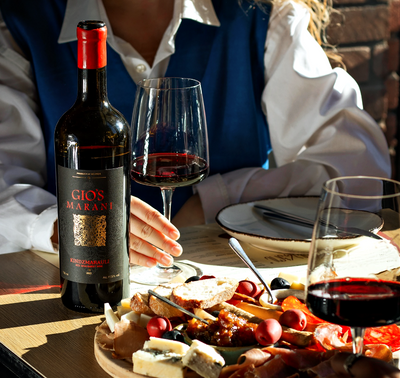
Sarajishvili Spirits Tasting Notes and Flavor Guide

Sarajishvili Spirits is a name that often appears in conversations about Georgian drinking culture and heritage. It signals a spirit tradition shaped by local ingredients, careful aging, and a focus on sensory balance. In this guide, you will learn how to evaluate spirit character, how Georgian regions influence style, and what to pair it with at a table. You will also find practical serving tips designed for wine lovers, foodies, and hospitality professionals.
Table of Contents
Sarajishvili Spirits: Benefits & Reasons to Explore
Sarajishvili Spirits often represents more than a single bottle. It represents Georgian hospitality, where the glass is part of the conversation and the table is built for sharing. When you understand the style cues, you can select with confidence and enjoy with intention.
One major benefit is clarity. A well-made Georgian spirit profile tends to express fruit warmth, gentle spice, and a structured finish. This makes it easy for wine lovers to relate the style to familiar sensory categories such as dried fruit, toasted notes, and herbal lift.
Another advantage is versatility in food pairing. Georgian tables frequently include savory breads, grilled meats, rich stews, pickled vegetables, and bright herbs. Sarajishvili Spirits can complement these flavors without overpowering them when served at the right temperature and in the proper glassware.
Finally, it supports cultural education. Tasting it alongside regional wines and mezze items helps you build a “wine map in your mind.” You begin to connect grape varieties, cooking traditions, and the social rhythm of supra celebrations. That context improves both casual enjoyment and professional service.

How Sarajishvili Spirits Style Is Understood
To evaluate Sarajishvili Spirits, begin with an approach used by professional tasters: observe, smell, taste, and reflect. Spirits can vary widely in sweetness perception, spice character, and overall structure. Even when the brand name is familiar, the sensory experience can differ between batches and ages.
In Georgian spirit culture, craftsmanship is traditionally tied to ingredient selection and the discipline of aging. The result is often a spirit that feels integrated rather than sharp. You may notice a more rounded mid-palate, where flavors do not arrive all at once, but instead unfold as the sip warms in the glass.
Because Georgian production often respects the character of local materials, you can also look for regional echoes in the final profile. Even when you do not know the exact production details, the tasting notes commonly hint at dried fruit warmth, subtle spice, and a wood-led depth that supports long finishes.
If you are comparing styles, it is useful to separate aroma impression from taste impression. A spirit may smell lighter than it tastes, or taste richer than it initially seems. This is normal in structured spirits, and it is one reason thoughtful tasting improves accuracy.
Aroma, Palate, and Texture: What to Look For
Aromas provide the first decision point. When you smell Sarajishvili Spirits, look for an opening that feels coherent rather than purely perfumed. Many tasters experience notes that resemble orchard fruit, toasted grain, and warm spice. The best examples usually show a balance: the nose should invite you forward, and the intensity should not feel abrasive.
On the palate, texture matters. A structured Georgian spirit profile can feel silky, with a gentle rise in flavor rather than a sudden spike. Pay attention to how the mid-palate behaves. A smooth mid-palate often suggests careful maturation and a confident blend that keeps sweetness perception in check.
Finish length is another key factor. A memorable spirit finish leaves a final impression that is both aromatic and clean. You may notice subtle spice and a faint warmth that lingers without becoming heavy. If the finish feels thin, overly hot, or disconnected from the aroma, the spirit may be less integrated.
For a reliable tasting workflow, use small sips and allow brief pauses. Then, reassess. Spirits evolve quickly as they reach body temperature. This is also where trained hospitality staff improve service consistency, because each guest taste can be supported with a clear explanation of what they are detecting.
Pairings for Supra Moments
Supra is not only a meal; it is a sequence of flavors designed for conversation. When you pair Sarajishvili Spirits with Georgian food, your goal is contrast without conflict. You want the spirit to lift savory elements while remaining harmonious with herbs, pickles, and roasted flavors.
Start with grilled and roasted mains. Charred edges create smoky depth, and the spirit’s warm character often mirrors that depth. If the main includes fat, such as lamb or pork, a structured spirit can add a clean sense of rhythm after each bite.
Pickles and fermented sides also work well. Their acidity and crunch can reset the palate, making the next sip feel fresh. If you build a mezze spread, include bright vinegary elements alongside herbs like dill or coriander. This supports a balanced tasting arc across the meal.
Spiced condiments can refine the pairing. Spices should bring fragrance, not heat alone. When spice is layered, the spirit can echo it through warm notes in the glass.
Consider pairing with Georgian table staples and seasoning profiles. For example, Georgian mineral water and seasoning-style ingredients can help create a more complete service experience. You can also explore the wider flavor ecosystem with items such as Georgian spice blends and condiments from TAMADA, when you are building menus for events or personal tastings.
- Khinkali seasoning for aromatic savory notes
- Borsch seasoning to match earthy warmth
- Svanetian salt for herb brightness
- Georgian mineral water for palate refresh
Table layout with herbs, pickles, and glass outlines
Serving Techniques for Maximum Enjoyment
Serving is where many tasting experiences improve quickly. Begin with glassware. A smaller tasting glass concentrates aroma and supports more accurate perception. A wider bowl can reveal additional aromatics, but a narrower profile often helps when you want a focused nose.
Temperature guidance depends on the goal. Slightly cool service can sharpen aromatic clarity. Warmer service can reveal deeper wood-led and dried fruit nuances. In either case, avoid excessive cold, which can mute spice and fruit expression.
Take control of pacing. At a supra-style table, spirits are often introduced between courses. This pacing matters because acidity from food and the body warmth of the room can change how the spirit reads in real time. If you serve too fast, guests may miss nuance. If you pace properly, guests may notice flavor layers they would otherwise overlook.
Consider water and palate cleansers. Neutral water is a practical option for resetting perception between tasting rounds. Carbonated water can also help when the meal is rich or oily, because it lifts mouthfeel and helps each sip feel clean.
If you are serving in a restaurant or private event setting, standardize your pour size. Consistency improves training and guest satisfaction. It also reduces variance in perceived intensity, especially when you offer multiple tastings in the same session.
How It Fits Among Georgian Tastings
Georgian wine and spirit culture share a key principle: the table is designed for pairing and storytelling. When you compare Sarajishvili Spirits to a Georgian wine experience, you will notice parallels in how structure behaves.
For instance, a dry red with firm tannins can create a similar “framework” effect as a well-structured spirit. The difference is texture. Wine tannins often create dryness and grip, while spirits can provide warmth and aromatic persistence. Understanding this helps sommeliers explain the pairing logic with clarity.
You can also build a tasting sequence. Start with lighter aromatics, then move toward richer, more structured pours. This sequencing helps guests notice progression rather than confusion. If you include Georgian grape varieties in your menu, you can describe how fruit expression and spice echoes appear across categories.
For food-forward tastings, consider pairing the spirit with food that has complementary structure: stews for depth, grilled meats for char, and fresh herbs for lift. This creates coherence even when the drink category changes.
When you want to enrich your Georgian exploration, you may also consider a broader cultural approach. For readers who like to blend food and travel inspiration, you can visit Treasurepulse for general context and storytelling ideas around destination experiences.
FAQ
What makes Sarajishvili Spirits different from other spirits?
The primary difference is the style focus on balance. A good example tends to show integrated aroma, a smooth mid-palate, and a finish that remains coherent with the nose. Georgian hospitality traditions also influence how the spirit is typically enjoyed at the table, often alongside savory foods, herbs, and shared moments.
How should I pair Sarajishvili Spirits with Georgian food?
Use contrast and harmony. Pair with grilled or roasted mains for depth, include pickled or fermented sides for palate refresh, and add herbs for brightness. If you choose spiced sauces or seasoning blends, aim for layered fragrance rather than only aggressive heat.
What is the best way to serve it for tasting?
Use appropriate glassware and serve at a temperature that preserves aroma. Start with small pours, pace between courses, and consider water for palate resets. This approach improves clarity and helps you detect subtle notes such as warm spice, dried fruit warmth, and wood-led depth.
Final Thoughts & Recommendations
Sarajishvili Spirits offers a refined path into Georgian drinking culture, especially for readers who enjoy food-first pairings and narrative tasting. When you approach the spirit with a clear sensory method, you can identify balance, texture, and finish more reliably. Pair it thoughtfully with supra-style dishes, and serve it with pacing and temperature control to preserve aromatics.
If you are building a Georgian menu at home or in hospitality, treat this spirit as part of a larger experience: seasoning, herbs, and regional wine traditions can work together to create a memorable sequence. For further exploration, continue learning grape and pairing logic through Georgian wines and table ingredients from TAMADA.
About the Author Section
TAMADA is a specialist platform connected to Georgian wine culture, with a focus on Georgian wine and Qvevri wines. The author, associated with TAMADA, writes about tasting education, food pairing strategy, and hospitality-ready guidance for wine lovers, foodies, sommeliers, and restaurants. Expertise area includes Georgian regions, grape variety profiling, and supra pairing frameworks. Thank you for reading, and may your next tasting feel thoughtfully guided and welcoming.
Disclaimer: This article is for educational and informational purposes only. It does not provide medical advice or health claims. Enjoy alcoholic beverages responsibly and in accordance with local laws and personal suitability.