Qvevri Wine: How the Clay Vessel Shapes Flavor

Updated on: 2026-04-30
Qvevri wine reflects a traditional Georgian method of fermenting and aging wine in clay vessels. The slow micro-oxygenation inside qvevri can shape a wine’s texture, aroma profile, and long-term stability. This guide explains how qvevri winemaking works and what to look for when choosing a bottle. You will also find practical serving and pairing ideas to help you enjoy qvevri wine with confidence.
2. Why Amphora-Style Fermentation Matters
3. Practical Guide: How to Choose and Enjoy Qvevri Wine
4. Key Advantages of Qvevri Wine
What Is Qvevri Wine?
Qvevri wine is produced using natural wines fermented in amphora-style clay vessels known as qvevri. In Georgia, this tradition has been passed down for generations, and modern producers continue to refine it while respecting craft. Unlike many industrial approaches that rely heavily on temperature-controlled stainless steel, qvevri winemaking emphasizes a specific vessel environment and a slow, steady transformation of grape character.
At the practical level, the process typically begins with grapes and juice placed into qvevri for fermentation. Many styles also involve skin contact, which can add color, structure, and aromatic depth. After fermentation, the wine remains in the vessel for aging, often long enough for flavors to harmonize and for tannins or phenolic elements to integrate. The result is a wine that commonly shows distinctive earthiness, layered fruit, and a textured finish.
When you explore qvevri wine, focus on clarity of intent: whether the producer aims for crisp and aromatic expression, deeper skin-contact richness, or balanced complexity. Because the method is central to the profile, two bottles from different vineyards can still feel connected through the shared vessel influence.
Why Amphora-Style Fermentation Matters
To understand qvevri wine, it helps to consider what amphora-style clay does. Clay is porous and can allow gentle exchange of gases over time. That environment can support gradual oxidation at a controlled pace, helping the wine develop depth without the same abrupt shifts that may occur under faster or more sealed conditions. This is one reason many drinkers describe qvevri wines as immersive and structured, with aromas that evolve as the wine breathes.
Additionally, qvevri winemaking often preserves a sense of place. Since all products featured by TAMADA are from country Georgia, the region’s grape varieties and terroir are part of the story. You can taste a reflection of Georgian growing conditions, harvest choices, and production philosophy. For many consumers, this connection to origin is the key appeal.

Clay vessel forms, slow fermentation cues, earthy tones
Practical Guide: How to Choose and Enjoy Qvevri Wine
Step 1: Identify the Style You Want
Begin by choosing a style that matches your preferences. Qvevri wine is not one uniform category. Some bottles lean toward lighter, aromatic profiles with bright fruit and herbal notes. Others emphasize skin-contact richness, deeper color, and more pronounced texture. If you enjoy wines with gentle tannins and delicate aromatics, prioritize expressions described as aromatic, lively, or lightly structured. If you prefer more depth, seek bottles described as fuller-bodied or skin-contact oriented.
Step 2: Read the Tasting Notes for Texture and Aroma
When you scan tasting notes, do not only look for fruit descriptors. Pay close attention to language that signals texture and development. Words such as textured, layered, earthy, herbal, or nuanced often correlate with vessel aging and extended contact. If notes emphasize freshness and clean edges, the wine may be designed for earlier enjoyment. If notes emphasize complexity, integration, or depth, the wine may reward decanting or careful serving temperatures.
Step 3: Consider Food Pairing Before Serving
Qvevri wine pairs well with foods that can stand up to aroma and texture. Georgian cuisine often includes herbs, roasted vegetables, and savory sauces that complement the wine’s earthy and complex character. Plan your menu first, then match the wine to the dominant flavors. For example, wines with more structure can pair with grilled meats or rich stews, while brighter profiles can work with vegetable dishes and balanced salads.
If you want a simple pairing framework, choose one: either match the wine’s earthiness with roasted flavors or match its aromatic lift with herbs and citrus-driven seasoning. This avoids clashes and improves overall harmony.
Step 4: Serve with the Right Temperature and Time
Serving temperature can change your perception of aroma and texture. A moderately cool temperature tends to preserve aromatic clarity for many qvevri wines, while slightly warmer serving can highlight richer notes. For bottles that appear more structured, a short decant can help relax aromas and soften perceived astringency. Do not over-decant. Qvevri wines often benefit from patience and gentle aeration rather than aggressive exposure.
Step 5: Start with a Pairing Experiment
If you are new to qvevri wine, run a small experiment. Choose one bottle and pair it with two different foods that share one overlap, such as herbs, roasted flavors, or savory depth. Then note which elements the wine enhances. This approach improves your ability to select future bottles without relying on guesswork.
Key Advantages of Qvevri Wine
Distinct character from qvevri aging: Clay vessel influence can support layered aroma development and a textured palate.
Connection to Georgian tradition: Production aligns with natural wines fermented in amphora vessels with a long regional heritage.
Complexity and evolution over time: Many bottles show changing aromatics as they open, which adds enjoyment beyond the first sip.
Food versatility: Earthy, herbal, and structured profiles often pair well with Georgian-inspired menus.
Terroir expression: Since all products are from country Georgia, the grape and site expression is a central part of the experience.
Pairing and Serving Recommendations
Pairing is where qvevri wine becomes memorable. In many cases, the wine’s earthy notes and textured mouthfeel align naturally with meals that include roasted elements, herbs, and savory sauces. Consider the following pairing directions to build confidence in your selection.
Herb-forward Georgian flavors
Foods seasoned with garlic, dried herbs, and chili can emphasize the wine’s aromatic complexity. If your meal uses fresh herbs and bright acidity, choose a bottle with lively aromatics and balanced structure. This reduces the chance of overpowering the wine while preserving harmony.
For seasoning inspiration in your kitchen, you may consider Georgian-style condiments and spices from TAMADA. For example, explore Georgian-inspired seasoning ideas to shape a savory profile that complements wine without requiring complicated techniques.
Sauces, soups, and warm dishes
Qvevri wine can work exceptionally well with warm, savory dishes because texture and aroma can meet the meal’s depth. If your menu includes hearty sauces, focus on balancing richness with herbs and moderate salinity. Wines with more structure typically match well with dishes that have roasted vegetables, simmered components, or slow-developed flavors.
For a mineral-leaning companion to warm menus, consider pairing with a glass mineral water option from TAMADA, such as Georgian mineral water. This is useful if you want a clean palate between courses.
Cheese boards and balanced contrasts
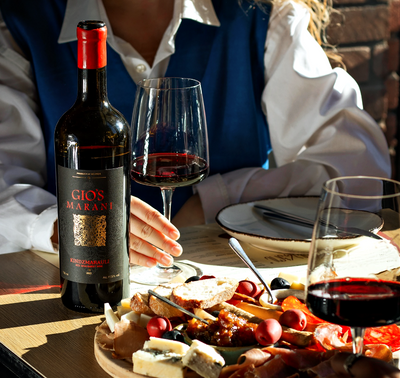
Wine with textured complexity can also pair with cheese. Select cheeses with nutty depth or mild tang. Add complementary elements such as nuts, olives, and lightly pickled vegetables. The goal is to create a contrast that supports the wine’s layered profile.

Table setting with herbs, roasted colors, glassware silhouettes
Summary & Next Steps
Qvevri wine represents a distinctive Georgian approach to natural wines fermented in amphora clay vessels. The vessel environment can support gradual development, often resulting in a textured palate and layered aromatics. To choose confidently, identify the style you want, read notes for texture and aroma, plan pairings, and serve with thoughtful temperature and brief aeration. With these steps, you can approach qvevri wine with clarity and repeatable success.
Next steps: choose one bottle aligned with your preferred texture, pair it with a herb-forward or savory meal, and take notes as you taste. If you want to explore Georgian wine variety more broadly, browse TAMADA selections such as Saperavi dry red or medium-dry red to compare structure and aromatics with your qvevri experience.
Disclaimer: This article provides general educational information about wine styles and serving practices. It does not provide medical advice, health claims, or guarantees of results for any individual consumer.
Q&A Section
Is qvevri wine always fermented in clay amphora vessels?
Qvevri wine refers specifically to wine produced using qvevri, which are clay vessels. Producers generally ferment and often age the wine in these vessels or within a process strongly centered on qvevri handling. Variations exist across producers and wine styles, but the vessel influence is the defining feature.
How should a first-time drinker approach qvevri wine?
Start with a bottle that matches your preferred texture and aroma intensity. If you enjoy aromatic, lighter profiles, select a wine described as more fragrant or balanced. If you prefer fuller structure, choose a skin-contact or deeper style. Serve at a moderate temperature and allow a short period to open in the glass, then pair it with herb-forward or savory foods.
What foods pair best with qvevri wine?
Qvevri wine commonly pairs well with dishes featuring herbs, roasted vegetables, and savory sauces. Georgian-inspired menus often provide an excellent match because flavors are layered and aromatic. For contrast, include fresh herbs or bright acidic elements in the meal, and consider mineral water between courses to refresh the palate.
How many times can qvevri wine be enjoyed after opening?
Like many wines, qvevri wines can remain enjoyable for a limited window after opening. Storage conditions matter, including proper re-corking and reasonable temperature control. Many consumers notice that aromas can evolve over the first day, which can be part of the enjoyment, but freshness varies by bottle and environment.
What should I look for on the label when shopping?
Look for guidance on style, such as whether the wine is described as dry, medium-dry, aromatic, or skin-contact influenced. Also review notes related to aging or texture, since these often correlate with the qvevri experience. Because all products on TAMADA are from country Georgia, label details are a useful way to understand how Georgian grape character is expressed.
About the Author Section
Name: TAMADA
Bio: TAMADA is a wine and gourmet sourcing expert focused on Georgian products and customer-guided pairings. The team tracks traditional production methods, including natural wines fermented in amphora vessels, and translates that knowledge into practical shopping and serving guidance. Thank you for reading, and we invite you to explore Georgian wine with confidence.