⚡️10% OFF⚡️ FIRST ORDER 📦 Code: GEORGIA (exclusions apply)

Georgian Wines Have Finally Arrived

Natural Mineral Water From Georgia: Taste the Difference

Natural Mineral Water From Georgia: Taste the Difference

Nabeghlavi Naturally Carbonated Sparkling Mineral Water 500ml x12 Glass Bottles | Premium Georgian Natural Mineral Water - TAMADAUpdated on: 2026-05-08


Natural mineral water from Georgia offers a distinctive taste shaped by the region’s limestone and mountain hydrology.

This guide explains how to select bottles, read labels, and build serving habits for consistent quality.

You will also find practical pairing ideas for everyday meals, picnics, and hosting.

Finally, you will learn how to store water correctly to preserve its sensory profile.

Natural mineral water from Georgia is valued for its mineral character and clean finish. Many consumers appreciate that it tastes naturally balanced rather than overly processed. This article helps you choose a bottle that fits your preferences, serve it in a way that supports the flavor profile, and store it to maintain quality. The goal is simple: make your next glass more consistent, more enjoyable, and better matched to your meals.

1. Quick Guidance

If you want a reliable experience, start with label checks, then match carbonation level to the foods you plan to serve. Store bottles upright in a cool place, keep them away from strong odors, and open them with care. When hosting, provide two options so guests can compare still and naturally carbonated characteristics.

Essential Tips

  • Read the label for mineralization cues and carbonation type so you can align taste with preference.
  • Choose bottle material based on your habits: glass is convenient for sensory comparison, while practicality may guide other formats.
  • Serve water slightly chilled for a fresher perception, especially with spicy or salty foods.
  • Pair naturally carbonated options with rich textures to improve mouthfeel balance.
  • Keep bottles sealed until use and avoid repeated exposure to heat or direct sunlight.
  • Use clean glassware to prevent lingering flavors from affecting aroma and taste.
  • Plan a short “comparison moment” during gatherings: one still glass and one naturally carbonated glass.

Detailed Step-by-Step Process

Natural mineral water from Georgia can be enjoyed in a consistent way when you follow a repeatable routine. The steps below focus on selection, serving, and handling, without relying on myths or unverifiable claims.

  1. Identify your preference: Decide whether you enjoy still water or naturally carbonated water. If you are unsure, start with a still option and then test a naturally carbonated glass.

  2. Check the label details: Look for carbonation description and any mineral-related notes. Even when numbers are not listed, the wording often indicates the intended sensory style.

  3. Choose the format for your schedule: If you need frequent serving, select a multi-pack option. For special tastings, glass bottles can support a more deliberate comparison.

  4. Chill with intention: Place bottles in a refrigerator long enough to reach a pleasant drinking temperature. Avoid freezing, which can alter texture and cause unwanted changes upon thawing.

  5. Pour carefully: For naturally carbonated water, pour with a slight tilt and steady pace to reduce excessive foaming.

  6. Evaluate taste in the same way each time: Take a short sip, note the finish, and consider how it interacts with the food you are eating.

  7. Store correctly after opening: Keep the bottle capped and return it to the refrigerator. Consume within a reasonable period for best sensory clarity.

Chilled water, clean glass, and label-style focus

Choosing the Right Bottle Style

Beyond taste, bottle style influences your experience. Many shoppers prefer glass for clearer sensory comparison, especially when they host tastings or want to evaluate how still and naturally carbonated profiles differ. If you want a consistent approach, buy formats that match your typical usage, then standardize serving temperature.

Still versus naturally carbonated

Still water tends to feel smooth and neutral, which makes it a versatile companion for everyday meals. Naturally carbonated water can feel more lively on the palate. It often works well with foods that have spice, herbs, or higher salt levels, because carbonation can refresh the sensation between bites.

Batch size and meal planning

When planning weekly dinners or family weekends, multi-pack formats are practical. They also reduce the chance that you serve a last-minute alternative with a different carbonation level than guests expected. Consistency improves satisfaction, particularly when your guests are sampling Georgian flavors.

Explore Georgian beverage pairing habits

Georgia has a food culture that frequently includes herbs, grilled items, and rich sauces. Pairing water with these flavors is simple: choose still water for lighter meals, then switch to naturally carbonated water when you want an energizing counterpoint.

For a Georgian-friendly water option, you can review naturally carbonated Georgian mineral water in glass bottles, sourced from country Georgia.

Serving and Pairing Ideas

Serving is where quality becomes noticeable. Even excellent mineral water can taste flat if it is too warm or poured too aggressively in naturally carbonated versions. The following pairing ideas focus on balance of salt, herbs, and texture.

Pairing for Georgian-style spice and herbs

If your meal includes pickled elements, chili notes, or herb-forward dishes, naturally carbonated water often feels more harmonious. The bubbles can reset the palate after each bite.

To build a coherent table, consider complementing your menu with Svanetian salt and herb-based seasonings. This combination can highlight savory flavors while still allowing the water to remain distinct rather than muted.

Pairing with rich or savory textures

When foods are heavier, such as dumpling-style dishes or slow-simmered plates, still water can provide a calm, steady baseline. Naturally carbonated water can also work, but it should be the secondary option so guests can compare preferences.

For example, if you plan to serve a dumpling-style dish, you may want a pairing routine that includes both still and naturally carbonated glasses. This approach supports choice without overcomplication.

Pairing with grilled and roasted notes

Grilled flavors tend to be bold and smoky. Mineral water from Georgia can soften intensity while maintaining clarity. Serve it slightly chilled and offer a glass at the start of the meal, then re-offer during the mid-course period.

Pairing for casual hosting

If you host frequently, create a repeatable serving pattern. Begin with chilled still water. Add naturally carbonated water alongside foods with stronger seasoning. Guests then self-select without waiting for guidance.


Table pairing: still and carbonated glasses side by side

Storage and Handling

Proper storage protects sensory clarity. Mineral water is sensitive to temperature swings and strong household odors. While it is designed for safe drinking, quality is best when you manage environment and handling consistently.

Keep bottles cool and stable

Store bottles in a refrigerator or a cool cabinet away from sunlight. Heat can change how aromatic perception forms, which may make the water feel less clean. Stability matters more than extremes.

Avoid odor contamination

Choose storage locations that do not share air with strong foods. Odor molecules can affect taste perception even when the water remains sealed.

Manage opened bottles

Once opened, recap immediately and keep the bottle chilled. Naturally carbonated water may lose some liveliness over time. Still water typically remains consistent longer, but sensory freshness is still best when consumed promptly.

Use clean glassware

Residual soap or lingering flavors in cups can blur the mineral character. Rinse glassware thoroughly and let it air dry where possible. This practice improves comparison across multiple bottles.

Summary & Takeaway

Natural mineral water from Georgia is most enjoyable when you treat it like part of the serving experience rather than a background product. Start by choosing still or naturally carbonated based on your preference, then align temperature and pouring method with the carbonation type. Pair naturally carbonated water with herb-forward and spicier foods, and use still water as a smooth baseline for lighter or calmer meals. Finally, store bottles cool and sealed, and use clean glassware to preserve a crisp, clean finish.

If you want a simple next step, consider adding a naturally carbonated option to your routine and comparing it during your next meal. You can explore a Georgian mineral water choice from our collection, with all products from country Georgia.

Q&A Section

What makes natural mineral water from Georgia taste distinct?

The distinct taste is mainly influenced by the water’s natural mineral composition and the mineral character shaped by regional geology. Many people experience a clean finish and a balanced mineral presence that works well across different meals.

How should I serve naturally carbonated Georgian mineral water?

Serve it slightly chilled and pour steadily with a gentle angle. For best texture, avoid aggressive pouring that can create excessive foam. Keep the bottle sealed between uses and consume opened bottles in a reasonable timeframe for a consistent sensory profile.

Can I use mineral water from Georgia with spicy foods?

Yes. Naturally carbonated options often pair well with spicy and herb-rich dishes because carbonation can refresh the palate between bites. Still water can also work, particularly if you prefer a calmer drinking sensation.

How long can I store opened water?

Opened water is best consumed promptly after opening. For naturally carbonated water, freshness and liveliness are more likely to change over time. If you want the most consistent taste, plan to finish an opened bottle relatively soon, stored chilled and capped.

About the Author

TAMADA provides guidance on Georgian food culture, ingredient pairing, and practical shopping decisions for a well-rounded table. Our expertise focuses on helping customers select flavorful options from country Georgia and match them to everyday menus. A personal note from TAMADA : attention to small serving details often creates the most noticeable difference, and readers are encouraged to build their own pairing routine.

CTA: If you plan to serve Georgian-inspired meals, start by choosing water that matches the meal structure. You can browse relevant items on our website to build a simple hosting plan with consistent flavors, and ensure all products are from country Georgia.

Disclaimer: This article is for general informational purposes only. It does not provide medical advice, diagnosis, or treatment, and it does not make health claims. Product availability and specifications may vary. Always review labels and follow responsible storage and serving practices.

Organic Georgian Wine: Tasting Notes and Pairing Guide

Organic Georgian Wine: Tasting Notes and Pairing Guide

Updated on: 2026-05-06

Organic Georgian wine offers an uncommon mix of indigenous grape character and low-intervention farming. Readers will learn how organic practices are applied in Georgia vineyards and what to expect in flavor and texture. The post also covers amphora fermentation, typical tasting notes, and food pairing logic. Finally, practical buying and serving guidance is included to help you choose with confidence.

Table of Contents

1. How to use this guide
2. Did You Know?
3. Expert Tips
4. Personal Anecdote
5. Summary & Takeaways
6. Q&A Section
7. About the Author

Organic Georgian wine is gaining attention for a reason: it connects farming choices, traditional winemaking, and place-based flavor in one glass. Georgia is often described as a cradle of wine culture, but the modern appeal goes beyond heritage. Today, many producers emphasize organic viticulture and careful cellar methods, including natural wines fermented in amphora. When these approaches align, the result is a bottle that tastes more like the vineyard and less like generic winemaking. If you want to choose wines with clarity and purpose, it helps to understand what “organic” can mean in practice and how Georgian styles typically present on the palate.

How to use this guide

This guide is designed to help you select organic Georgian wine, understand key production signals, and pair it intelligently with food. Start with the quick facts in the next section, then review the expert tips for shopping and serving. You will also find a short personal anecdote that explains why amphora-driven textures matter. Use the takeaways to form a simple decision routine for your next bottle.

If you are shopping, consider pairing wine choices with compatible Georgian flavors from your kitchen. For example, you can explore Georgian red wine pairings alongside robust dishes, using recipes and seasoning foundations that match the region’s profile.

Did You Know?

  • Georgia is known for winemaking traditions that predate many European systems.
  • Many producers use natural wines fermented in amphora to shape texture and aromatics.
  • Organic Georgian wine often highlights vineyard health, not just cellar techniques.
  • Indigenous grape varieties in Georgia can deliver distinctive spice, stone fruit, and herbal nuances.
  • Appreciation grows when you taste by structure: acidity, tannin, and ferment character.

Expert Tips

Experts often recommend evaluating organic Georgian wine with a practical checklist rather than relying on labels alone. “Organic” can be expressed through farming standards, vineyard management, and documentation. Therefore, the safest approach is to combine organic claims with measurable taste signals: purity of fruit, balanced acidity, and a clean finish. The following tips focus on the decisions that matter most.

  • Look for vineyard clarity: Organic practice should support a fresh fruit profile and stable structure in the glass.
  • Identify fermentation signals: Natural wines fermented in amphora commonly present with layered aroma, earthy lift, and a textured mouthfeel.
  • Match the style to the meal: Dry reds usually align with grilled meats and savory stews, while whites can handle salads, herbs, and light spice.
  • Prefer balance over intensity: A well-made organic Georgian wine should feel coherent, with acidity and fruit in agreement.
  • Check tannin behavior: If tannins feel grippy, pair with fattier dishes; if they feel soft, pair with tomato-forward or herb-heavy meals.
  • Serve slightly cool when needed: Many Georgian wines benefit from a temperature range that preserves aromatics while keeping acidity lively.

To make these tips actionable, you can browse a few Georgian bottle styles and compare their structure. For example, if you want a Saperavi-driven experience, a carefully crafted Saperavi can show how red tannin and dark fruit interact. You can start with a product page such as Saperavi dry red to see how structure and dryness are presented in descriptions.

Amphora silhouette, swirling aromas, balanced tasting notes

How organic farming changes what you taste

Organic viticulture typically emphasizes soil health and restrained chemical inputs. In practice, this can influence vigor control, berry composition, and disease pressure handling. The direct result is not a single flavor guarantee, but rather a higher chance of expressing the vineyard’s natural rhythm. In many organic Georgian wine offerings, consumers notice brighter fruit expression and a more deliberate integration of spice and mineral impressions.

To evaluate these effects, taste for coherence across the palate. If the wine feels clean at the finish and the aroma returns in a natural way, the farming and winemaking often complement each other. If the wine feels disjointed, the bottle may reflect extraction or cellar adjustments that do not align with organic goals.

Interpreting Georgian variety and style

Georgia has a wide map of indigenous grape character. Rather than memorizing every name, use structural descriptors. Saperavi often brings deeper color, noticeable tannin, and dark fruit depth. Sweet styles can be aromatic and round, with dessert-friendly balance when acidity remains present. Dry whites commonly emphasize freshness, herbal lift, and a mineral-like finish.

When you are shopping, read product information with an eye for dryness, fermentation direction, and pairing alignment. If the descriptions mention specific Georgian styles, treat them as guidance for what you will likely experience in texture and aromatics.

For example, if you prefer a medium dry red profile with approachable fruit and restrained oak influence, you can review a selection such as medium dry red. If you want a sweet benchmark for comparisons, a product such as medium sweet wine can help you map how residual sugar and acidity interact.

Personal Anecdote

I remember tasting a Georgian bottle that clearly reflected natural wines fermented in amphora. At first, the aroma seemed unconventional to my palate, with a mix of fruit and earthy lift that arrived in layers rather than in a single burst. When I took the next sip, the texture stood out. It was not thin or watery; it felt structured and gently grainy, as if the wine carried its own internal texture. The finish remained clean, which made the experience feel balanced rather than rustic.

After that tasting, I began to treat “fermentation method” as more than a technical detail. Amphora can influence how oxygen exposure and micro-integration shape the wine’s mouthfeel, and Georgian production traditions often make that influence noticeable. If you prefer wines that feel vivid but not aggressive, you may find that this style aligns well with simple meals that allow aromatics to stand forward.

Glasses, layered textures, herbs and savory steam cues

Glasses, layered textures, herbs and savory steam cues

Summary & Takeaways

Organic Georgian wine can be a high-value choice when you want authenticity supported by practical farming discipline. The most important takeaway is to evaluate the bottle through structure: acidity, tannin, and aromatic clarity. Natural wines fermented in amphora can add a distinctive textured quality, and indigenous varieties can deliver memorable spice, fruit, and herbal impressions. Instead of chasing one perfect tasting note, build a repeatable selection process based on style and balance.

  • Start with organic intent, then confirm with taste signals: purity, integration, and clean finish.
  • Use amphora as a texture clue when you want layered aromatics and a more tactile sip.
  • Choose matching styles for your meal: dry reds for savory depth, whites for freshness, sweet options for aromatic desserts.
  • Read product context and compare structure across bottles to avoid guesswork.
  • If you cook Georgian-inspired food, consider seasoning intensity so the wine has room to express.

As you refine your preferences, keep food pairing practical. If your menu features bold Georgian flavors, you may also enjoy exploring complementary ingredients such as Georgian seasoning profiles. For example, you can explore khinkali seasoning to create a flavor bridge that supports the wine’s herbal and savory notes.

Q&A Section

What does organic mean in Organic Georgian wine?

Organic typically refers to vineyard practices that prioritize soil health and limit certain synthetic inputs. In Organic Georgian wine, this can help support consistent fruit development and may contribute to the fresh, coherent character consumers associate with organic offerings. Organic status is usually tied to farming standards, so you should also consider taste cues such as clean aromatics, balanced acidity, and an integrated finish.

Are natural wines fermented in amphora always better?

Amphora fermentation is not automatically superior. It is a method that can shape texture and aroma expression, particularly through contact characteristics and micro-oxygen dynamics. Many drinkers value this style for its layered aromatics and tactile mouthfeel. The best approach is personal fit: choose amphora-fermented bottles when you want complexity and structure, and choose other fermentation styles when you prefer a lighter or more straightforward presentation.

How should I pair Organic Georgian wine with food?

Begin with wine structure. Dry reds with solid tannin often pair well with grilled proteins, rich sauces, and herb-forward dishes. Whites with fresh acidity work well with salads, citrus elements, and lightly spiced meals. For sweet Georgian styles, pair with desserts, fruit-forward flavors, or aromatic cheese boards where acidity can prevent the pairing from feeling heavy.

Is Organic Georgian wine suitable for beginners?

Yes, Organic Georgian wine can be approachable when you choose styles that match your taste baseline. If you prefer low tannin and clear fruit, start with medium dry profiles or gentle styles. If you enjoy bold reds and spice, a Saperavi-driven bottle can be a strong starting point. Reading dryness and structure cues in product descriptions helps beginners make informed selections.

What are common tasting features to expect?

Many organic Georgian wines show a blend of fruit clarity and place-driven spice or herbal notes. Amphora-fermented wines often show a more textured sip and layered aromatics. Expect balance rather than extremes, with finishes that feel clean when the wine is well made and the farming supports healthy grape composition.

About the Author

TAMADA is a retail and content team focused on Georgian food and wine education. The author contributes expertise in pairing guidance, product storytelling, and consumer-friendly wine interpretation based on widely used industry standards. This article aims to help readers make confident choices without exaggerated promises. Thank you for reading and exploring organic Georgian wine with a structured, informed mindset.

Disclaimer: This article is for general educational purposes only. Wine experiences vary by vintage, storage conditions, and personal preference. Availability and product details may change over time.

Tayer Designs

Kakhetian Sunflower Oil: Flavor, Benefits, and Uses

Golden sunflower oil in a glass bottle beside sunflower seeds and sunlit sunflower blooms

{TLDR}

Kakhetian sunflower oil is valued for its clean, balanced flavor and versatile kitchen performance. It works well for everyday cooking, salad dressing, and light to medium heat preparation. When you choose a fresh, responsibly processed bottle, you support better taste and more reliable results. Use the steps below to store it correctly, select the right application, and build consistent meals around it.

{Updated Date}

Updated on: 2026-05-02

{Table of Contents}

What Is Kakhetian Sunflower Oil?
Why People Choose Kakhetian Sunflower Oil
How To Use Kakhetian Sunflower Oil in Daily Cooking
Best Pairings and Meal Ideas
Storage and Quality Checks
Common Mistakes to Avoid
How-To Steps
FAQ
Closing Thoughts

What Is Kakhetian Sunflower Oil?

Kakhetian sunflower oil is a cooking oil made from sunflower seeds grown in the Kakheti region of Georgia. Kakheti is widely known for its agricultural landscape and culinary heritage, including traditions that value careful processing and steady quality. Sunflower oil in general is popular because it supports a neutral taste profile and adapts to many recipes.

In practice, Kakhetian sunflower oil is used when you want a light, approachable flavor and a reliable cooking medium. It can complement grains, vegetables, and herbs without overpowering the dish. For households that cook frequently, the goal is simple: achieve consistent results while keeping the preparation process efficient.

Why People Choose Kakhetian Sunflower Oil

People select Kakhetian sunflower oil for practical reasons that directly affect daily meals. The first reason is versatility. A good sunflower oil can be used for sautéing, roasting, baking, and finishing dishes.

The second reason is taste neutrality. Many cooks prefer an oil that does not compete with the flavor of spices, fresh vegetables, and sauces. This makes it suitable for both hot and cold applications, including dressings and marinades.

The third reason is kitchen workflow. When the oil performs consistently, you can repeat recipes with less guesswork. That matters for busy schedules and for families that want reliable texture and mouthfeel.

Sunflower seed shapes, gentle wave textures, kitchen heat icon

Sunflower seed shapes, gentle wave textures, kitchen heat icon

How To Use Kakhetian Sunflower Oil in Daily Cooking

To get the best results, match the oil to the cooking stage. For example, use it for base cooking and for mid-stage sautéing. If a recipe calls for finishing, you can drizzle a small amount after cooking to preserve a fresh, clean impression.

For salad work, the approach is simple. Combine the oil with an acid component such as vinegar or lemon juice, then add salt, pepper, and herbs. The neutral character of Kakhetian sunflower oil helps the seasoning stand out.

For baking and roasting, the oil supports browning and helps ingredients cook more evenly. Use it to coat vegetables or to create a light layer that improves texture.

Best Pairings and Meal Ideas

Kakhetian sunflower oil fits naturally into Georgian-style meal patterns, especially where fresh herbs, vegetables, and warm bread share the table. It also supports dishes that include preserved flavors and spice blends.

Consider using it with soups and vegetable sides. It can be used to sauté onions and spices as a base, or to add a smoother mouthfeel to broth-based meals. For spicy profiles, pair the oil with mild tomato or herb notes.

If your menu includes Georgian condiments, the oil helps balance intensity. For example, a small amount of oil can soften the impression of strong seasoning, while still allowing the primary flavors to remain clear.

For meal inspiration, you may also explore complementary Georgian pantry items from TAMADA. For a balanced spice foundation, see borsch seasoning and build a cooking base around it. If you prepare dumpling-style dishes, khinkali seasoning can guide your seasoning balance, while sunflower oil provides a consistent cooking medium.

Storage and Quality Checks

Proper storage protects the sensory experience. Keep Kakhetian sunflower oil away from heat sources, direct sunlight, and strong odors. Many kitchens store cooking oils in cupboards, which is generally a stable option.

Check the bottle for signs of separation, unusual haze, or a sharp odor. Natural variation can occur, but an obvious change in smell or appearance may indicate that the oil is not at its best. If the oil has been used repeatedly at high heat, consider limiting re-use and avoid blending fresh and old oil in ways that make tracking quality difficult.

When using a pour spout or cap, wipe the rim and keep the opening clean. This reduces residue that can impact taste over time.

Transparent oil bottle icon, light-blocking cabinet shapes, freshness check marks

Transparent oil bottle icon, light-blocking cabinet shapes, freshness check marks

Common Mistakes to Avoid

Several issues can reduce performance. The first is storing the oil near the stove. Heat and repeated temperature swings can degrade aroma quality.

The second mistake is overheating the oil far beyond what a recipe needs. Excessive heat increases the chance of harsh flavors. Instead, use moderate temperatures and adjust as your pan and batch sizes change.

The third mistake is using too much oil in cold dressings. Oil is essential for texture, but balance matters. If the dressing feels heavy, reduce the oil and add more acid, water, or yogurt-based elements where appropriate.

The fourth mistake is ignoring seasoning strategy. Neutral oils amplify the impact of salt and herbs. If a dish tastes flat, the issue often comes from under-seasoning or weak acid balance, not from the oil itself.

How-To Steps

Use these practical steps to integrate Kakhetian sunflower oil into your cooking with dependable results.

  1. Choose your purpose first. Decide whether you need cooking support, finishing drizzle, or dressing texture. This determines the amount and timing.

  2. Warm the pan gently before adding oil. A calm preheat helps prevent uneven heating and supports smoother sautéing.

  3. Measure oil consistently. For sautéing, use enough to coat the pan surface lightly. For roasting, coat vegetables evenly to improve browning and texture.

  4. Season in stages. Start with salt during cooking, then refine after vegetables soften. For dressings, add salt and acid first, then emulsify with the oil.

  5. Emulsify cold dressings. Whisk vinegar or lemon juice with salt and pepper, then slowly stream in Kakhetian sunflower oil while whisking to improve texture.

  6. Finish with restraint. If you want a fresh impression, drizzle a small amount at the end rather than saturating hot components.

  7. Track your quality. Keep the bottle in a stable cupboard, and replace it when aroma and appearance change clearly.

For a broader Georgian meal flow, you can also pair cooking foundations with traditional Georgian ingredients. If you create a spice-forward experience, consider Svanetian salt to add depth, then use Kakhetian sunflower oil as the cooking and finishing medium to keep flavors clean.

For households that enjoy natural wine traditions, note that natural wines fermented in amphora often pair well with balanced dishes. When you serve vegetables, bread, or herb-forward mains, the neutral quality of sunflower oil supports the flavor profile of both food and drink without creating clashes.

FAQ

Is Kakhetian sunflower oil suitable for everyday cooking?

Yes. Kakhetian sunflower oil is suitable for everyday cooking because it is adaptable for sautéing, roasting, and light baking, and it also works for cold uses such as dressings. The neutral flavor helps recipes remain focused on their seasoning and primary ingredients.

How should I store Kakhetian sunflower oil for best flavor?

Store it in a cool, dark cupboard away from direct sunlight and heat. Keep the bottle tightly closed and avoid storing it near the stove. Periodically check for unusual odor or a noticeable change in appearance, and replace the oil if quality declines.

What isn’t the best use for sunflower oil?

To preserve clean flavor, avoid extreme overheating and repeated high-heat cycles. If a recipe needs very high temperatures, follow the recipe guidance and consider cooking methods designed for that heat level. For cold dressings, use moderate amounts and balance oil with acid and seasoning.

Closing Thoughts

Kakhetian sunflower oil is a dependable kitchen staple for cooks who want flexibility, balanced flavor, and consistent texture across many meal types. When you use it with simple timing rules, proper emulsification, and thoughtful seasoning, your results become easier to repeat. Choose a stable storage routine, apply the oil for the right stage of cooking, and refine your dressings and finishing steps over time.

If you want to build a well-rounded Georgian-inspired pantry, consider pairing sunflower oil with other high-quality ingredients from TAMADA. Start with one recipe, adjust seasoning balance, and then expand your menu as your confidence grows.

About the Author Section

TAMADA is a Georgian food specialist with expertise in curated pantry products and cooking guidance. The author team focuses on pairing ingredients with practical techniques for consistent home results. With a strong understanding of Georgian culinary patterns and ingredient behavior in everyday recipes, they help customers cook with clarity and confidence. Thank you for reading, and take the next step by testing these steps in your next meal.

Disclaimer: This article provides general cooking guidance and does not replace professional advice. Ingredient characteristics can vary by batch and processing. Always follow label instructions and use your judgment for food preparation and storage.

Pickled Red Tomatoes: Bold Flavor, Easy Recipe Guide

Glass jar of pickled red tomatoes in brine with visible garlic and herbs on a wooden table

Updated on: 2026-05-01

Pickled red tomatoes are a bold pantry staple from country Georgia with a clean, tangy profile and a satisfying bite. They work well as a mezze ingredient, a side for grilled foods, and a topping for bowls and salads. This guide explains how to choose, store, and serve them for the best flavor. You will also learn practical pairing ideas with naturally fermented wines in amphora and Georgian seasonings.

1. What pickled red tomatoes are and why they matter
2. How to choose pickled red tomatoes for the best taste
3. How to serve pickled red tomatoes
4. How-To Steps: build a mezze plate with pickled red tomatoes
5. Storage and freshness guidelines
6. Pairing ideas: Georgian food and naturally fermented amphora wines
7. FAQ
8. Closing Thoughts
9. About the Author

How pickled red tomatoes bring bright flavor to Georgian-inspired meals

Pickled red tomatoes are preserved using a careful balance of salt, acidity, and spices. The result is a tangy, savory bite that stays lively even after storage. In Georgian kitchens, they are valued for their versatility. They can stand alone as a quick snack, or they can support richer dishes by adding contrast.

Because pickling preserves texture and flavor, these tomatoes often taste more “structured” than fresh tomatoes in winter. Their acidity can also make meats feel lighter and sauces feel cleaner. When you want a simple way to improve a meal, pickled red tomatoes are a reliable option.

How to choose pickled red tomatoes for the best taste

Quality starts before opening the jar. Look for clear labeling and consistent preparation. Since all products are from country Georgia, you can also expect styles that reflect traditional regional methods, including spice-forward pickles and balanced brine flavors.

Check the jar and brine

Choose jars where the brine looks clear and even. Tomato pieces should appear intact with minimal collapse. While some natural softness can occur over time, the overall look should remain appetizing.

Assess spice and acidity balance

Different batches can lean more vine-like or more herb-like. Your goal is to find a profile that matches your cooking style. If you prefer bright and sharp flavors, select tomatoes with a pronounced tang. If you want a gentler taste, select a batch where spices appear more prominent than acidity.

Consider your planned use

For salads and quick toppings, smaller tomato pieces may be easier to portion. For cooking, larger chunks can hold up better when mixed into warm dishes.

Brine sparkle, red tomatoes, and spice dust patterns

Brine sparkle, red tomatoes, and spice dust patterns

How to serve pickled red tomatoes

Pickled red tomatoes fit almost anywhere you use sour or briny accents. The most effective serving strategy is to match serving temperature and portion size to the dish.

Serve them as a mezze starter

Place a small mound on a plate, add sliced bread, and include something creamy or nutty if you want softer contrast. The tomatoes provide a direct hit of tang and help keep a plate feeling fresh.

Use them as a salad anchor

Chop tomatoes into bite-size pieces and mix with chopped herbs, onion, and a light dressing. If you add oil, use it sparingly so acidity remains the focus.

Stir them into warm dishes at the end

Tomatoes can brighten hot foods when added late. This approach helps maintain their texture and keeps the brine notes from turning flat.

Top grains and bowls

Even plain rice or roasted potatoes can benefit from a spoonful. Pickled red tomatoes bring contrast that makes seasonings pop.

How-To Steps: build a mezze plate with pickled red tomatoes

  1. Choose your base items: select one bread option and one simple salad or vegetable component. Keep the plate simple so the tomatoes remain the star.

  2. Portion pickled red tomatoes carefully. Aim for a spoonful per person, then adjust based on appetite and other tangy sides.

  3. Add a seasoning layer. If you want additional depth, sprinkle a small amount of Georgian-inspired spice blends. Use just enough to support the brine acidity.

  4. Include a savory warm element. For example, pair them with a braised or grilled main, or serve them beside a hearty dish such as khinkali seasoning-style flavors.

  5. Create texture contrast. Add something crunchy such as fresh cucumber slices or a lightly dressed vegetable. This keeps the plate balanced.

  6. Finish with a wine-friendly pairing. Serve naturally fermented wines in amphora if you want a clean and aromatic match to the sour notes.

  7. Taste and adjust. If the plate feels sharp, add a neutral element like bread or a mild side dish. If it feels dull, add more pickled tomatoes.

Kula Pickled Red Tomatoes 1000g
Kula pickled red tomatoes jar image
Kula Pickled Red Tomatoes 1000g

Storage and freshness guidelines

Proper storage maintains the flavor and texture you expect from pickled red tomatoes. Once opened, they should stay submerged in brine and remain sealed to reduce exposure to air.

Keep them refrigerated after opening

Refrigeration slows flavor changes and helps the tomatoes stay firm. Always use a clean utensil when serving to reduce contamination risk.

Use a clean spoon each time

Brine is stable when it stays clean. Avoid returning tomato pieces to the jar after they contact a used plate.

Watch for changes in smell or appearance

If you observe unusual odors, cloudiness that develops rapidly, or significant texture breakdown, discontinue use. When in doubt, prioritize safety and quality.

Fridge shelf, sealed jar icon, and brine overflow lines

Fridge shelf, sealed jar icon, and brine overflow lines

Pairing ideas: Georgian food and naturally fermented amphora wines

Pickled red tomatoes are ideal for pairing because their acidity lifts savory flavors. Georgian cuisine often uses herbs, salt, and gentle heat, which makes these tomatoes a natural fit. For beverage pairings, naturally fermented wines fermented in amphora can align well with the brine’s tang and the spice profile.

Pair with tomato-forward and herb-forward dishes

When a dish already contains tomatoes, pickled red tomatoes add another layer rather than duplicating flavor. For a balanced plate, combine them with fresh herbs and a mild base such as bread or potatoes.

Try them with Georgian condiments and seasonings

For extra depth, consider complementing the brine with Georgian spices and savory sauces. If you enjoy a gentle pepper note, pair with ajika-style heat. If you want a sweet-sour counterpoint, consider pairing with cherry preserves or jam-style profiles that can soften acidity.

If you want a quick flavor direction, you can start with a Georgian seasoning approach such as borsch seasoning, or add mineral-style water alongside a mezze plate for a crisp reset between bites.

For wine-style pairings, consider options sourced from country Georgia and selected for their aromatic profile. Naturally fermented wines fermented in amphora often carry texture and acidity that can complement brined ingredients without overwhelming them.

For a broader discovery experience, you may also explore Rootly for inspiration on responsible sourcing and brand stories.

FAQ

Are pickled red tomatoes spicy or mild?

They can be mild to moderately spiced. The exact level depends on the recipe and spice blend used during pickling. Many styles emphasize salt and acidity more than heat, which makes them a flexible ingredient for both everyday meals and mezze plates.

How long do pickled red tomatoes stay good after opening?

They can remain suitable for use as long as they are kept refrigerated, sealed, and stored in clean conditions. If the brine changes strongly in smell or appearance, or if the tomatoes develop unexpected texture, you should stop using them.

What foods pair best with pickled red tomatoes?

They pair well with grilled meats, roasted vegetables, rice, bread, and herb-heavy salads. They also complement Georgian seasonings and tangy condiments, which is why they are common in mezze-style spreads.

Closing Thoughts

Pickled red tomatoes are a high-impact ingredient that adds tang, texture, and savory depth to meals. When you select a quality jar, store it properly, and serve it at the right moment, you can turn simple dishes into Georgian-inspired experiences. Choose one serving idea from this guide and apply it to your next meal. With consistent use and thoughtful pairing, you will quickly learn how these tomatoes fit your personal flavor preferences.

About the Author

TAMADA is a food and wine content specialist focused on Georgian ingredients, pantry staples, and practical pairing guidance. The team emphasizes ingredient clarity, transparent cooking methods, and consumer-ready recommendations. With expertise in market standards for preserved foods and flavor matching, TAMADA helps readers build confident meal plans. Thank you for reading, and take action by adding pickled red tomatoes to your next mezze or everyday meal.

Disclaimer: Product availability, ingredients, and flavor profiles can vary by batch. Always review the label for storage instructions and use-by guidance. This article is for general culinary information and does not provide medical or health advice.

Qvevri Wine: How the Clay Vessel Shapes Flavor

Clay qvevri wine vessel in a rustic cellar with a glass of red wine nearby

Updated on: 2026-04-30

Qvevri wine reflects a traditional Georgian method of fermenting and aging wine in clay vessels. The slow micro-oxygenation inside qvevri can shape a wine’s texture, aroma profile, and long-term stability. This guide explains how qvevri winemaking works and what to look for when choosing a bottle. You will also find practical serving and pairing ideas to help you enjoy qvevri wine with confidence.

What Is Qvevri Wine?

Qvevri wine is produced using natural wines fermented in amphora-style clay vessels known as qvevri. In Georgia, this tradition has been passed down for generations, and modern producers continue to refine it while respecting craft. Unlike many industrial approaches that rely heavily on temperature-controlled stainless steel, qvevri winemaking emphasizes a specific vessel environment and a slow, steady transformation of grape character.

At the practical level, the process typically begins with grapes and juice placed into qvevri for fermentation. Many styles also involve skin contact, which can add color, structure, and aromatic depth. After fermentation, the wine remains in the vessel for aging, often long enough for flavors to harmonize and for tannins or phenolic elements to integrate. The result is a wine that commonly shows distinctive earthiness, layered fruit, and a textured finish.

When you explore qvevri wine, focus on clarity of intent: whether the producer aims for crisp and aromatic expression, deeper skin-contact richness, or balanced complexity. Because the method is central to the profile, two bottles from different vineyards can still feel connected through the shared vessel influence.

Why Amphora-Style Fermentation Matters

To understand qvevri wine, it helps to consider what amphora-style clay does. Clay is porous and can allow gentle exchange of gases over time. That environment can support gradual oxidation at a controlled pace, helping the wine develop depth without the same abrupt shifts that may occur under faster or more sealed conditions. This is one reason many drinkers describe qvevri wines as immersive and structured, with aromas that evolve as the wine breathes.

Additionally, qvevri winemaking often preserves a sense of place. Since all products featured by TAMADA are from country Georgia, the region’s grape varieties and terroir are part of the story. You can taste a reflection of Georgian growing conditions, harvest choices, and production philosophy. For many consumers, this connection to origin is the key appeal.

Clay vessel forms, slow fermentation cues, earthy tones

Clay vessel forms, slow fermentation cues, earthy tones

Practical Guide: How to Choose and Enjoy Qvevri Wine

Step 1: Identify the Style You Want

Begin by choosing a style that matches your preferences. Qvevri wine is not one uniform category. Some bottles lean toward lighter, aromatic profiles with bright fruit and herbal notes. Others emphasize skin-contact richness, deeper color, and more pronounced texture. If you enjoy wines with gentle tannins and delicate aromatics, prioritize expressions described as aromatic, lively, or lightly structured. If you prefer more depth, seek bottles described as fuller-bodied or skin-contact oriented.

Step 2: Read the Tasting Notes for Texture and Aroma

When you scan tasting notes, do not only look for fruit descriptors. Pay close attention to language that signals texture and development. Words such as textured, layered, earthy, herbal, or nuanced often correlate with vessel aging and extended contact. If notes emphasize freshness and clean edges, the wine may be designed for earlier enjoyment. If notes emphasize complexity, integration, or depth, the wine may reward decanting or careful serving temperatures.

Step 3: Consider Food Pairing Before Serving

Qvevri wine pairs well with foods that can stand up to aroma and texture. Georgian cuisine often includes herbs, roasted vegetables, and savory sauces that complement the wine’s earthy and complex character. Plan your menu first, then match the wine to the dominant flavors. For example, wines with more structure can pair with grilled meats or rich stews, while brighter profiles can work with vegetable dishes and balanced salads.

If you want a simple pairing framework, choose one: either match the wine’s earthiness with roasted flavors or match its aromatic lift with herbs and citrus-driven seasoning. This avoids clashes and improves overall harmony.

Step 4: Serve with the Right Temperature and Time

Serving temperature can change your perception of aroma and texture. A moderately cool temperature tends to preserve aromatic clarity for many qvevri wines, while slightly warmer serving can highlight richer notes. For bottles that appear more structured, a short decant can help relax aromas and soften perceived astringency. Do not over-decant. Qvevri wines often benefit from patience and gentle aeration rather than aggressive exposure.

Step 5: Start with a Pairing Experiment

If you are new to qvevri wine, run a small experiment. Choose one bottle and pair it with two different foods that share one overlap, such as herbs, roasted flavors, or savory depth. Then note which elements the wine enhances. This approach improves your ability to select future bottles without relying on guesswork.

Key Advantages of Qvevri Wine

  • Distinct character from qvevri aging: Clay vessel influence can support layered aroma development and a textured palate.

  • Connection to Georgian tradition: Production aligns with natural wines fermented in amphora vessels with a long regional heritage.

  • Complexity and evolution over time: Many bottles show changing aromatics as they open, which adds enjoyment beyond the first sip.

  • Food versatility: Earthy, herbal, and structured profiles often pair well with Georgian-inspired menus.

  • Terroir expression: Since all products are from country Georgia, the grape and site expression is a central part of the experience.

Pairing and Serving Recommendations

Pairing is where qvevri wine becomes memorable. In many cases, the wine’s earthy notes and textured mouthfeel align naturally with meals that include roasted elements, herbs, and savory sauces. Consider the following pairing directions to build confidence in your selection.

Herb-forward Georgian flavors

Foods seasoned with garlic, dried herbs, and chili can emphasize the wine’s aromatic complexity. If your meal uses fresh herbs and bright acidity, choose a bottle with lively aromatics and balanced structure. This reduces the chance of overpowering the wine while preserving harmony.

For seasoning inspiration in your kitchen, you may consider Georgian-style condiments and spices from TAMADA. For example, explore Georgian-inspired seasoning ideas to shape a savory profile that complements wine without requiring complicated techniques.

Sauces, soups, and warm dishes

Qvevri wine can work exceptionally well with warm, savory dishes because texture and aroma can meet the meal’s depth. If your menu includes hearty sauces, focus on balancing richness with herbs and moderate salinity. Wines with more structure typically match well with dishes that have roasted vegetables, simmered components, or slow-developed flavors.

For a mineral-leaning companion to warm menus, consider pairing with a glass mineral water option from TAMADA, such as Georgian mineral water. This is useful if you want a clean palate between courses.

Cheese boards and balanced contrasts

Wine with textured complexity can also pair with cheese. Select cheeses with nutty depth or mild tang. Add complementary elements such as nuts, olives, and lightly pickled vegetables. The goal is to create a contrast that supports the wine’s layered profile.

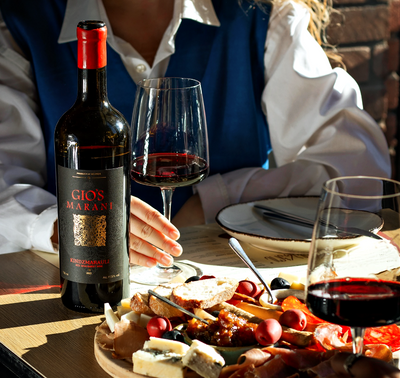
Table setting with herbs, roasted colors, glassware silhouettes

Table setting with herbs, roasted colors, glassware silhouettes

Summary & Next Steps

Qvevri wine represents a distinctive Georgian approach to natural wines fermented in amphora clay vessels. The vessel environment can support gradual development, often resulting in a textured palate and layered aromatics. To choose confidently, identify the style you want, read notes for texture and aroma, plan pairings, and serve with thoughtful temperature and brief aeration. With these steps, you can approach qvevri wine with clarity and repeatable success.

Next steps: choose one bottle aligned with your preferred texture, pair it with a herb-forward or savory meal, and take notes as you taste. If you want to explore Georgian wine variety more broadly, browse TAMADA selections such as Saperavi dry red or medium-dry red to compare structure and aromatics with your qvevri experience.

Disclaimer: This article provides general educational information about wine styles and serving practices. It does not provide medical advice, health claims, or guarantees of results for any individual consumer.

Q&A Section

Is qvevri wine always fermented in clay amphora vessels?

Qvevri wine refers specifically to wine produced using qvevri, which are clay vessels. Producers generally ferment and often age the wine in these vessels or within a process strongly centered on qvevri handling. Variations exist across producers and wine styles, but the vessel influence is the defining feature.

How should a first-time drinker approach qvevri wine?

Start with a bottle that matches your preferred texture and aroma intensity. If you enjoy aromatic, lighter profiles, select a wine described as more fragrant or balanced. If you prefer fuller structure, choose a skin-contact or deeper style. Serve at a moderate temperature and allow a short period to open in the glass, then pair it with herb-forward or savory foods.

What foods pair best with qvevri wine?

Qvevri wine commonly pairs well with dishes featuring herbs, roasted vegetables, and savory sauces. Georgian-inspired menus often provide an excellent match because flavors are layered and aromatic. For contrast, include fresh herbs or bright acidic elements in the meal, and consider mineral water between courses to refresh the palate.

How many times can qvevri wine be enjoyed after opening?

Like many wines, qvevri wines can remain enjoyable for a limited window after opening. Storage conditions matter, including proper re-corking and reasonable temperature control. Many consumers notice that aromas can evolve over the first day, which can be part of the enjoyment, but freshness varies by bottle and environment.

What should I look for on the label when shopping?

Look for guidance on style, such as whether the wine is described as dry, medium-dry, aromatic, or skin-contact influenced. Also review notes related to aging or texture, since these often correlate with the qvevri experience. Because all products on TAMADA are from country Georgia, label details are a useful way to understand how Georgian grape character is expressed.

About the Author Section

Name: TAMADA

Bio: TAMADA is a wine and gourmet sourcing expert focused on Georgian products and customer-guided pairings. The team tracks traditional production methods, including natural wines fermented in amphora vessels, and translates that knowledge into practical shopping and serving guidance. Thank you for reading, and we invite you to explore Georgian wine with confidence.