Tamada Wine Shop Guide: Find Your Perfect Bottle

Updated on: 2026-06-05
Shopping for Georgian wine can feel complex when you are new to regions, grapes, and traditional methods. A Tamada wine shop helps you navigate qvevri style wines, classic varieties, and food pairing culture in a clear, curated way. This guide explains how to choose bottles for different tastes, occasions, and dishes. You will also find practical tips for ordering, storing, and serving wine at home or in a venue.
Tamada wine shop: What makes Georgian wine selection easier
A Tamada wine shop is built for people who want authenticity without guesswork. Georgian wine traditions include grape-forward expression, distinct regional styles, and time-honoured methods such as qvevri fermentation. If you enjoy crisp whites, supple reds, or aromatic orange wines, the right bottle should match your palate and your table.
Georgia’s wine map is not a simple list of producers. It is a mosaic of climates, soils, and winemaking choices that shape aroma and texture. When you choose with guidance, you can learn faster and enjoy more. In a specialist shop setting, you can move from curiosity to confident buying, whether you are hosting a dinner, building a restaurant wine list, or selecting gifts for wine lovers.
One advantage is that you can shop with context. Instead of treating wine as a stand-alone product, Georgian food culture connects wine with spices, sauces, and shared plates. That connection matters because the best match often depends on more than sweetness or acidity. It depends on how the wine handles herbs, char, dairy, smoke, and peppery heat.

Map-style visuals with grapes, regions, and tasting notes
Step-by-Step Guide
Use this process to select bottles in a Tamada wine shop with clarity. Each step is designed to help you choose for taste, occasion, and cuisine.
-
Start with the wine style you want to enjoy now. If you crave brightness, choose Tbilvino Tsinandali, Tamada Mtsvane/Rkatsiteli by Amidasturi, or Tbilvino Rkatsiteli. If you prefer comfort and depth, try Tbilvino Saperavi, Gios Marani Mukuzani, or Sachino Medium Dry Red. If you want texture and complexity, explore Gurashvili Qvevri Kisi, Tbilvino Amber Rkatsiteli, Rkatsiteli Qvevri by Amidasturi, or Tbilvino Qvevris Mtsvane.
-
Match grape and region to your flavor preferences. Georgian varieties often signal the character of the bottle. Saperavi is widely known for colour and berry-rich depth. Saperavi-based wines often pair well with grilled meats and hearty sauces. When you want balanced sweetness, you can also explore medium sweet styles. For those who like nuanced aromatics, a grape-led approach can guide your selection without relying on trends. Match grape and region to your flavor preferences. Saperavi lovers can start with Tbilvino Saperavi, Winiveria Saperavi, Gios Marani Mukuzani, or Qvevris Saperavi 2021 by Tbilvino. For balanced sweetness, choose Tbilvino Kindzmarauli, GWS Khvanchkara, Tbilvino Tvishi, Tbilvino Alazani Valley White, or Tbilvino Alazani Valley Red. For aromatic white styles, consider Gurashvili Kisi, Tbilvino Tsinandali, or Mtsvane/Rkatsiteli by Amidasturi.
-
Choose a bottle that fits the meal structure. For a first course, light or crisp wines can cut through herbs and salad components. For the main course, look for reds with sufficient structure to stand up to char, roasted vegetables, and stews. For shared plates, consider wines that bridge multiple flavors, such as semi-dry or versatile profiles that handle spice and acidity.
-
Build from food pairings you already enjoy. If your table includes traditional Georgian seasonings, align your wine with the aromatic intensity. Pair pepper-forward, tangy elements with wines that have grip or refreshing lift. When you have creamy or savory components, you can favor wines with mid-palate depth. When you have smoky notes, select bottles with enough body to carry flavor.
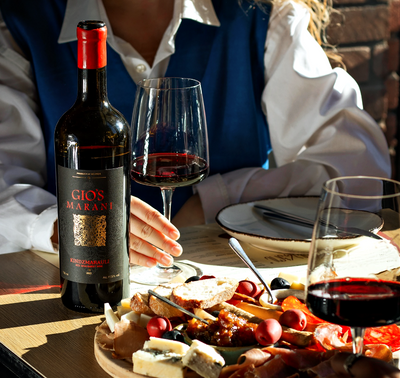
If your table includes traditional Georgian dishes such as khinkali, mtsvadi, chakapuli, lobio, or foods seasoned with adjika and Svanetian salt, choose Tbilvino Saperavi, Gios Marani Mukuzani, or Winiveria Saperavi. Their structure and dark fruit character complement grilled meats, slow-cooked stews, and rich savoury flavours.
For creamy dishes such as Adjaruli Khachapuri, mushroom risotto, fettuccine Alfredo, roast chicken, or creamy seafood pasta, choose Tbilvino Tsinandali, Tbilvino Rkatsiteli, Mtsvane/Rkatsiteli by Amidasturi, or Gurashvili Kisi. These wines provide freshness and balance while complementing buttery and creamy textures.
With smoky or chargrilled flavours such as Australian barbecue, lamb cutlets, beef burgers, wood-fired pizza, smoked sausages, or roast lamb with rosemary, try Tbilvino Saperavi, Gios Marani Mukuzani, Qvevris Saperavi 2021, or Winiveria Saperavi. Their body and tannin structure stand up to rich meats and smoky flavours.
For seafood dishes including grilled barramundi, Atlantic salmon, oysters, prawns, fish and chips, or Mediterranean-style seafood platters, choose Tbilvino Tsinandali, Tbilvino Rkatsiteli, or Mtsvane/Rkatsiteli by Amidasturi. Their bright acidity enhances fresh seafood and citrus-based sauces.
If you enjoy roast pork, duck, charcuterie boards, aged cheeses, or European-style antipasto platters, consider Gurashvili Kisi, Tbilvino Amber Rkatsiteli, or Rkatsiteli Qvevri by Amidasturi. Their texture and complexity pair beautifully with cured meats, nutty cheeses, and savoury appetisers.
For spicy foods such as peri-peri chicken, mildly spiced curries, Asian barbecue, or glazed pork ribs, Tbilvino Kindzmarauli, GWS Khvanchkara, Tbilvino Pirosmani, and Tbilvino Tvishi offer a touch of natural sweetness that helps balance heat while remaining fresh and food-friendly.
For desserts, fruit platters, dark chocolate, berry tarts, pavlova, or nut-based pastries, GWS Khvanchkara, Tbilvino Kindzmarauli, and Tbilvino Tvishi provide vibrant fruit flavours and balanced sweetness that complement rather than overpower the dish.
-
Use targeted shopping to avoid decision overload. If you are short on time, begin with a small set such as a duo or a themed case from the shop. These curated selections help you taste across styles and learn quickly. For example, you may explore a dry red and a complementary profile rather than guessing one bottle for every course. Use targeted shopping to avoid decision overload. Start with a simple Tamada set such as a Tbilvino Duo Gift Set, a dry white and dry red pairing, or a semi-sweet tasting selection with Kindzmarauli, Tvishi, and Alazani Valley. This makes it easier to compare Georgian wine styles without choosing every bottle individually.
-
Plan service and storage for better results. Serve whites and lighter styles slightly cool, so aromatics remain expressive. Serve reds at a temperature that allows the wine to show fruit and spice. Store bottles away from light and strong temperature swings. For aeration, a short decant can help structured reds open up, especially when they are served soon after purchase. Serve Tsinandali, Rkatsiteli, Mtsvane/Rkatsiteli, Tvishi, and Kindzmarauli slightly chilled. Serve Saperavi, Mukuzani, and Qvevri reds a little cooler than room temperature, and give structured reds a short decant before serving.
Tips for choosing and enjoying Georgian wine from a Tamada wine shop
- Think in textures, not only sweetness. Georgian wines can feel silky, grippy, or dry and structured. Your meal will often “choose” the wine texture more than sweetness will.
- Pair herbs and spices with confidence. Georgian tables often include seasonings, chili notes, and tangy elements. Wines that maintain freshness can keep spice from tasting louder.
- Explore qvevri style wines for aromatic depth. Qvevri fermentation can add complex aromas and a distinctive mouthfeel. If you are new, start with a bottle that is not excessively tannic, then move up in intensity.
- Use seasoning as your pairing anchor. When food uses bold seasoning, pair wine to the seasoning’s character. For example, tang and heat may prefer reds with structure, while aromatic herbs may prefer cleaner whites.
- Look for a balanced “starter” bottle. A versatile medium-dry red can work for many dishes and still feel special. This can reduce risk if you are ordering for a group.
- Consider gifting with a tasting journey. A duo or curated selection helps recipients compare styles and learn what they enjoy, rather than guessing a single preference.
Smart pairing ideas using curated items from Tamada
Pairing becomes easier when you connect wine to pantry staples. If your menu includes Georgian-inspired dishes or bold homemade sauces, you can build harmony with seasonings and condiments. Below are pairing-aligned ideas you can use while browsing the Tamada catalog.
- For hearty red pairings: If you are exploring medium-dry reds with berry depth, consider Saperavi-based options such as Saperavi dry red for grilled dishes and spice-forward meals.
- For rich, sweet accents: If you want a contrast to savory bites, explore a medium sweet style such as Khvanchkara medium sweet for balanced dessert pairings and fruit-forward notes.
- For casual hosting: If you plan a mixed table, a dry white mix can help cover multiple plates. You can start with dry white mix and choose the most suitable bottle on the night.
- For seasoning-driven cooking: Use borsch seasoning or Georgian spice profiles in your cooking, then choose a wine that supports tang and aroma rather than competing with them.

Serving scene with glass shapes, spice tones, and grape silhouettes
Wrap-up & Final Thoughts
Buying from a Tamada wine shop becomes simple when you treat it as a guided wine journey. Start with the style you want, then use grape character, region context, and food structure to make reliable choices. Build confidence through pairing logic and small tasting sets, then refine your preferences over time.
If you want your first order to feel successful, choose one versatile bottle for the table and one more distinctive expression for conversation and learning. Over successive dinners, you will better understand how Georgian wine regions and qvevri methods translate into aroma, texture, and finish.
To keep your next selection aligned with your palate, explore the shop’s Georgian-focused range and use pairing ideas to guide your final decision. If you want to begin immediately, consider visiting the Tamada storefront at Tamada wine collection and refine your shortlist by style and meal needs.
FAQs
What types of Georgian wines can I expect in a Tamada wine shop?
You can typically find a range of Georgian styles, including dry whites, reds with varying dryness, and distinctive qvevri-inspired expressions. Many selections are grape-led, with clear identity cues that help you understand the expected aroma and structure.
How do I choose a wine if I am cooking Georgian-style food?
Begin with the strongest flavor element on your plate, such as herbs, tang, smoke, or heat. Then choose a wine that either complements that character or provides a refreshing contrast. A structured red often works well for grilled and savory dishes, while a crisp white can support lighter herbs and fresh components.
Can a Tamada wine shop help me build a wine list for a restaurant or catering event?
Yes. Many specialist shops support venue planning by offering curated ranges and clear pairing context. When building a list, aim for coverage across styles and keep notes simple and consistent so guests can make confident choices.
What is the best way to store and serve Georgian wine?
Store bottles away from light and large temperature swings. Serve whites and lighter styles slightly cool, and serve reds at a temperature that allows fruit and spice to express fully. For structured bottles, a short decant can improve immediate accessibility of aromas.
About the Author
TAMADA is known for its specialist focus on Georgian wine and qvevri wines, and this guide reflects that commitment to practical selection. The author, with experience in wine education and hospitality pairing logic, focuses on clear explanations for wine lovers, foodies, and sommeliers. The goal is to help you choose bottles that fit your table and elevate shared moments. Thank you for reading, and enjoy exploring Georgian wine step by step.
Disclaimer: This article is for general informational purposes only and does not constitute medical, legal, or financial advice. Product availability and specifications may change. Always check the latest product details and follow responsible drinking guidelines.