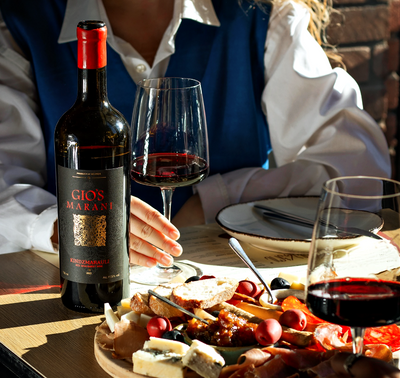
KINDZMARAULI Wine Tasting Notes and Flavor Profile

Updated on: 2026-06-04
KINDZMARAULI wine is a defining Georgian style that balances lifted aromatics with gentle sweetness. This guide explains what makes this wine distinctive, how to taste it with confidence, and which foods elevate it on the table. You will also learn how regional context, grape character, and serving choices shape the final experience. By the end, you will have clear, practical pairing ideas for meals, gatherings, and wine-focused tastings.
Quick Summary
KINDZMARAULI wine delivers a semi-sweet profile with red-fruit aromas, a smooth mid-palate, and a clean finish. The best results come from serving it slightly cool and pairing it with bold Georgian flavors. It works especially well with grilled meats, spicy condiments, and rich cheese. Use this guide to choose pairings, understand common misconceptions, and build a consistent tasting routine.
Product Spotlight
For a clear entry point into the style, a reliable option is Georgian Wine KINDZMARAULI, semi-sweet. This category typically shows approachable fruit, soft tannin structure, and a sweetness level that feels measured rather than cloying. When served well, the wine highlights ripe berry notes, subtle spice impressions, and a texture that suits both casual meals and more formal tastings. If you want a straightforward way to explore Georgian wine culture, this is an effective starting point.
Georgian Wine KINDZMARAULI (Semi-Sweet)

To broaden your Georgian table, consider combining this wine with classic dishes and condiments that reflect supra hospitality. If you enjoy wine-and-food thinking, you may also find value in learning about complementary Georgian staples through products on our store, such as khinkali seasoning or Georgian mustard.

Color spectrum board for semi-sweet red fruit
Myths vs. Facts
Myth: KINDZMARAULI wine is simply “sweet wine” meant to hide poor quality.
Fact: In Georgian winemaking, balance matters. A semi-sweet profile can be expressive and precise when acidity supports the sweetness. The goal is harmony, not masking.
Myth: Sweet-leaning wines do not pair with savory food.
Fact: Measured sweetness can sharpen perceived flavors and reduce harshness from spicy or smoky elements. When you match the intensity of food with the wine, the result can feel vivid and complete.
Myth: All Georgian wines taste the same.
Fact: Regional character and grape expression create clear differences across styles. KINDZMARAULI wine is not a generic sweetness; it reflects its own style DNA and tasting priorities.
Pairings and Serving
Serving temperature is one of the simplest levers you control. For KINDZMARAULI wine, a lightly chilled setting often helps preserve fresh fruit character and keeps sweetness in check. If the wine feels warmer than ideal, aromatics can flatten and sweetness can feel more prominent. Aim for a cool, not icy, environment so the wine remains lively.
When pairing, focus on flavor contrast and texture. Semi-sweet red wines often perform best with dishes that have either:
- Measured spice and smoky edges, such as grilled meats.
- Rich sauces that benefit from a wine with fruit-driven structure.
- Soft or creamy elements, where sweetness can feel like a bridge rather than a separate lane.
For spice-forward Georgian cooking, condiments are not side notes; they are flavor architecture. Consider pairing your meal with a condiment such as tkemali classic green for tart freshness, or a gently warming option like pickled hot green peppers to lift savory intensity. These pairings can enhance the perception of fruit without overpowering it.
If your table includes more earthy notes, you can also explore supportive seasoning ideas through borsch seasoning to maintain a cohesive seasoning profile across courses.
A Supra-Inspired Moment
A supra is more than a meal. It is hospitality, storytelling, and shared pacing. Wine selection is part of that rhythm. KINDZMARAULI wine often fits the mood of a long table because it is inviting and flexible. It can welcome the first plates, stay steady through heartier courses, and still feel appropriate when people linger.
To build a thoughtful supra pairing, plan a sequence rather than a single dish. Start with lighter savory bites that carry herbs or gentle acidity. Move to grilled or roasted mains with spice or char. Finish with comforting flavors, such as cheese boards, fruit-forward desserts, or pastries that do not become overly heavy.
There is also a cultural logic behind pairing in Georgia: wine is expected to interact with condiments. That means your best tasting experience will often occur when the wine meets the same flavors your guests use at the table.

Table tasting map: arrows linking spice, cheese, fruit
How It Is Made
Understanding production helps you taste with more intention. While specific methods can vary by producer and vintage, Georgian tradition emphasizes grape selection, careful fermentation management, and a focus on keeping the character of the fruit expressive. In the KINDZMARAULI style, the semi-sweet character is typically achieved through controlled fermentation decisions and thoughtful balancing of sweetness with acidity.
Winemakers also prioritize clarity and stability so the aromatics remain coherent in the glass. For consumers, this translates to a more consistent experience: fruit-driven scents, a smooth texture, and a finish that feels clean rather than sticky. When wine quality is high, sweetness is not the headline; it is a supporting actor that shapes the perception of fruit and spice.
For readers interested in broader Georgian wine styles, it can be useful to learn about other expressions from the region. For example, exploring dry Georgian reds such as Tbilvino Saperavi dry red can help you compare how acidity and tannin structure change your food matches. This contrast makes it easier to understand why KINDZMARAULI wine feels harmonious with certain dishes.
Tasting Notes and Texture
When you taste KINDZMARAULI wine, begin with the glass before the first sip. Swirl gently to aerate. The wine often presents a fruit-forward aroma with red berry impressions and a restrained, warming spice note. In a well-balanced bottle, sweetness feels integrated, not detached.
On the palate, expect:
- Aromatics: ripe berry character with a soft lift that remains noticeable as the wine opens.
- Texture: a smooth mid-palate with minimal harshness.
- Sweetness perception: supported by acidity, which helps the finish feel tidy.
- Finish: a clean conclusion where fruit and gentle spice remain present.
Glassware influences the experience as well. A standard wine glass works well because it concentrates aromatics. If the wine seems too sweet, that often indicates that the serving temperature is too warm or the food is too salty. Adjusting either factor can restore harmony quickly.
For wine lovers who enjoy comparing styles, you might also enjoy exploring a different Georgian sweetness profile such as Khvanchkara medium sweet. Side-by-side tasting reveals how sweetness intensity, aroma lift, and acidity balance differ across semi-sweet Georgian categories.
Frequently Asked Questions
Is KINDZMARAULI wine sweet or dry?
KINDZMARAULI wine is typically categorized as semi-sweet. It offers visible sweetness, but the style is designed to remain balanced through supporting acidity and fruit-driven character.
What is the best way to serve this wine?
Serve KINDZMARAULI wine slightly cool. If it is served too warm, sweetness can feel more pronounced. A cool serving temperature helps preserve freshness and improves aromatic clarity.
What foods pair best with KINDZMARAULI wine?
Many guests enjoy it with grilled meats, savory dishes with spice, and meals that feature Georgian sauces or condiments. Pairing works best when you match intensity and avoid very bitter flavors that can fight the fruit profile.
Can I serve it at a dinner party or restaurant setting?
Yes. The approachable semi-sweet character and smooth texture make it suitable for multi-course menus and shared tables. It can also serve as a conversation starter when guests want a Georgian wine that is not strictly dry.
How does it compare to Saperavi-style dry wines?
Saperavi dry reds typically show more tannin structure and a drier finish. KINDZMARAULI wine focuses more on fruit sweetness and mid-palate smoothness, which changes how it interacts with spice and rich sauces.
Final Recommendations
Choose KINDZMARAULI wine when you want a Georgian red that feels approachable yet refined. Use a slightly cool serving temperature, and pair it with bold savory food rather than light desserts only. If you are planning a supra-style table, build the pairing around the condiments and sauces you will actually use. Finally, if you want a comparison for your next tasting flight, include one dry Georgian red such as Sachino red medium dry to highlight the role of acidity and dryness.
If you are shopping for Georgian wine and food pairing ideas in Australia, you can also explore curated sets and complementary products on the TAMADA website. For example, the option of a mixed wine or food-focused selection can help you plan a consistent menu without guesswork.
Q&A Section
What glassware improves the tasting of KINDZMARAULI wine?
A standard wine glass is sufficient. Choose a shape that allows aromatics to gather at the top, and swirl gently to open the fruit notes. If the wine tastes subdued, small temperature adjustments often help more than additional aeration.
How do I decide between KINDZMARAULI wine and other semi-sweet Georgian options?
Start with food pairing priorities. If your menu features spice and grilled elements, a semi-sweet red with a balanced finish can be an advantage. For a different aromatic and sweetness intensity experience, compare with other semi-sweet Georgian styles such as Khvanchkara for a new texture and fruit impression.
Will KINDZMARAULI wine work with vegetarian meals?
It can work well with vegetarian dishes that have bold herbs, roasted vegetables, and savory sauces. When the meal is seasoned with enough depth, the wine’s fruit profile feels like a complementary layer rather than a mismatch.
What is the safest pairing approach for first-time tasters?
Begin with a familiar savory dish: grilled or roasted options, moderate spice, and sauces that contain herbs or tang. Then refine by temperature and seasoning level. This method yields reliable results and reduces trial-and-error.
About the Author Section
TAMADA
TAMADA works with an expert understanding of Georgian wine and qvevri traditions, supporting wine lovers, foodies, sommeliers, and restaurant teams. The objective is to make Georgian wine education feel practical and enjoyable for everyday purchasing decisions. Thank you for reading, and we hope your next glass delivers a confident, balanced experience.
Disclaimer: This article is for general informational purposes only and does not provide medical, legal, or financial advice. Enjoy alcohol responsibly. Product availability and tasting characteristics may vary by vintage and supplier.