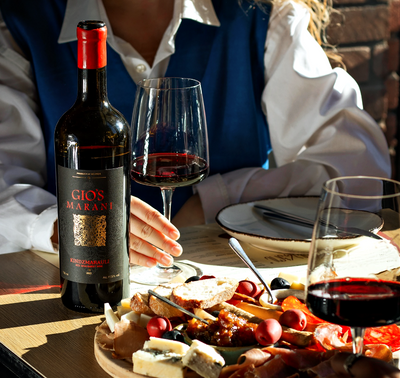
Georgian Natural Wine Tasting Notes and Pairing Ideas

Updated on: 2026-06-03
Georgian natural wine offers a direct connection between vineyard practice, local yeast, and the earthen vessels used for aging. It is often produced with minimal intervention, which can express texture, fruit, and spice-like aromas in a distinct way. For wine lovers and restaurant buyers, it also supports memorable pairings with Georgian dishes, such as grilled meats and herb-forward plates. This guide explains what to look for, how to evaluate quality, and how to choose bottles with confidence.
Table of Contents
- 1. Introduction: Why Georgian Natural Wine Stands Out
- 2. Did You Know?
- 3. Comparison: Pros & Cons
- 4. Buyer’s Checklist
- 5. Food Pairings and Flavor Pathways
- 6. Serving, Storage, and Restaurant Workflow
- 7. How to Taste: A Practical Sensory Method
- 8. Final Thoughts & Advice
- 9. Q&A Section
- 10. About the Author
Introduction: Why Georgian Natural Wine Stands Out
Georgian natural wine is rooted in a tradition that treats fermentation and aging as part of the land’s character, not as an engineering problem to solve. In Georgia, grape varieties and soil types matter, but so does the method. Many producers use Qvevri, large earthen amphorae, where wine matures slowly and develops texture that is difficult to replicate elsewhere. When minimal intervention is paired with careful sorting and respect for native fermentation, the result can feel vivid and transparent.
This style is not only for collectors. It can also be a practical choice for wine lovers seeking authenticity, and for sommeliers building thematic lists around regions, grapes, and food culture. Georgian natural wine frequently shows aromatic lift, earthy structure, and a sense of place that supports Georgian cuisine and many Mediterranean-style dishes.
To explore the wider world of Georgian bottles from Australia’s specialist in Georgian wine and Qvevri wines, you can review the selection at TAMADA. The goal of this guide is simple: help you understand what to expect, what to verify, and how to buy with clarity rather than guesswork.
Did You Know?
- Qvevri aging often contributes to a textured mouthfeel and a broader aromatic range, especially for red and amber styles.
- Natural wine does not mean “no craft.” Many producers still apply rigorous grape selection and thoughtful cellar decisions.
- Because fermentation can rely more on native processes, vintage variation is common, which makes tasting notes more useful than fixed expectations.
- Georgian wine culture includes the supra tradition, where wine is shared in a structured social setting, often alongside herbs, nuts, and grilled foods.
- Common grape varieties such as Saperavi and Tsolikouri appear in both classic and more natural-leaning interpretations, creating recognizable flavor families.

Comparison: Pros & Cons
-
Pros
- Place-driven expression: More emphasis on local fruit, native fermentation, and cellar character.
- Complex aromatics: Often shows layered notes such as dried fruit, wild herbs, and earthy spices.
- Food versatility: Many bottles complement grilled meats, stews, and herb-heavy plates.
- Conversation value: Guests and staff often enjoy the story behind Qvevri methods and regional grapes.
-
Cons
- Variation between batches: Minimal intervention can lead to wider sensory differences from bottle to bottle.
- Appearance and aroma may be unconventional: Some natural styles can show haze or sharper funk-like notes if not balanced.
- Requires careful selection: Buying from a reliable seller and reading accurate production notes is essential.
- Service planning matters: Storage stability and proper opening technique improve the experience.
Buyer’s Checklist
Buying Georgian natural wine becomes easier when you treat it as a process of verification. Natural wine quality is not only about style; it is about balance, sound fermentation, and transparent information.
- Check grape and region details: Look for the specific grape variety and an identifiable regional description.
- Confirm the production approach: Seek wording that indicates low intervention, native fermentation, and transparent handling.
- Review aging method: Qvevri aging is a strong indicator of traditional character and likely texture.
- Look for balance indicators: Even in natural styles, the wine should show harmony between fruit, acidity, and tannin or texture.
- Inspect sensory expectations: If you prefer clean fruit, start with fuller-bodied styles or those described as more structured and less wild.
- Consider pairing context: For restaurants, align the bottle with menu items rather than trying to “force” a match.
- Buy from a retailer with curation: Consistent sourcing reduces the risk of poor balance that can occur in overly experimental lots.
If you are building a list or planning a tasting flight, you may also want to compare styles within the same region, such as red dry profiles versus more aromatic expressions, to understand how texture and acidity change across bottles.
Food Pairings and Flavor Pathways
Georgian natural wine pairs well with dishes that share similar flavor signals: herbs, roasted aromatics, smoky char, and tangy sauces. In practice, natural wines often show savory edges, which can mirror spices and grilled notes.
For red natural styles, consider pairings with roasted meats, mushroom dishes, and tomato-based sauces. Look for menu items that include black pepper, dried herbs, or char. For white or amber natural styles, herbs, nuts, and lightly spiced grains are strong matches. The texture from Qvevri aging can also stand up to richer sides.
Georgian table culture values contrast. Salty snacks, fresh herbs, and cooked vegetables often appear alongside wine. This is where natural Georgian bottles can become the centerpiece because they can handle both aromatic complexity and savory intensity.
To build a cohesive Georgian-inspired menu, consider complementing wine service with Georgian spices and seasoning. For example, you may explore a cooking partner such as borsch seasoning to echo the warm, earthy profile that many natural reds share.

Serving, Storage, and Restaurant Workflow
Natural wine benefits from consistent handling. Variability does not remove the need for good cellar practice; it increases it. The same discipline that applies to conventional wines applies here, with extra attention to service temperature and opening technique.
- Storage: Keep bottles on a stable temperature and avoid strong light. If you use a cellar or wine fridge, maintain consistent conditions.
- Opening strategy: If the wine shows tight aromatics when young, allow it to open with careful decanting or time in the glass. Avoid aggressive pouring that can overwhelm delicate aromas.
- Glassware: Use glassware that supports aromatic lift. For structured reds, a larger bowl improves aeration.
- Temperature: Serve according to style. Reds typically benefit from slightly cooler than room temperature service, while whites and amber styles can be served a touch warmer than chilled to highlight aromatics.
- Restaurant pacing: If you plan a flight, order by intensity. Start with lighter, fresher expressions and move toward richer, more earthy profiles.
For sommeliers, the workflow goal is consistency across guests. Natural wine can be expressive, but it should not be unpredictable in a negative sense. Staff training on opening, glass choice, and tasting checks improves guest confidence.
How to Taste: A Practical Sensory Method
To evaluate Georgian natural wine effectively, use a repeatable method rather than relying on first impressions. This is especially useful for restaurants and buyers who taste multiple bottles in one sitting.
Step 1: Observe the appearance
Look for clarity, color depth, and any sediment typical for some natural styles. Sediment alone is not a defect, but it can indicate the need for careful handling at service.
Step 2: Smell for direction, not perfection
Focus on aroma categories such as stone fruit, dried fruit, wild herbs, citrus peel, floral notes, and earthy spice. Then evaluate whether the aromas feel integrated or sharply disconnected.
Step 3: Taste for balance
Assess acidity, tannin or texture, and the length of flavor. A balanced bottle will show fruit and savory notes in a coherent arc from front palate to finish.
Step 4: Check the finish
A clean finish is a quality signal. Lingering flavors should feel deliberate rather than chaotic. If the wine is too volatile, bitter, or overly oxidized, it may not be the right match for your menu.
When you apply this framework, you can distinguish between charming rusticity and genuine imbalance.
Final Thoughts & Advice
Georgian natural wine can be a rewarding category for buyers who want region-first storytelling and guest-friendly food compatibility. The most successful purchases come from disciplined selection: verify grape and method details, evaluate balance during tasting, and plan service with consistency. When you treat natural wine as an experience guided by craft and terroir, the results can be memorable rather than uncertain.
If you are building a collection for wine lovers, sommeliers, or restaurant guests, consider starting with a small curated set and tasting across styles. Capture notes on aroma direction, texture, and pairing fit. Over time, you will develop a reliable sense of what works for your audience.
For menu building and Georgian-inspired hosting, natural Georgian bottles can pair especially well with dishes featuring herbs, smoky char, and tangy sauces. If you want to expand a Georgian wine list with complementary items and flavors, maintain a consistent theme across wine and cuisine.
Q&A Section
What makes Georgian natural wine different from other natural wines?
Georgian natural wine is often shaped by regional grape varieties, traditional Qvevri aging, and cellar practices that prioritize minimal intervention. This combination can create distinctive texture and aroma profiles that align closely with Georgian food culture.
Is Georgian natural wine always cloudy or unusual in taste?
Cloudiness can occur in some natural styles due to minimal filtration, but it is not a universal requirement. Taste variation is also possible, yet quality bottles should still show balance between fruit, acidity, and savory or earthy elements.
How should a restaurant introduce Georgian natural wine to first-time guests?
Start with approachable expressions that show clear fruit and structured texture. Serve at appropriate temperature, use the right glassware, and offer pairing suggestions that match herbs, grilled flavors, and tangy sauces. Staff explanation should focus on the terroir and traditional method, rather than on technical jargon.
How can I pair Georgian natural wine with non-Georgian menus?
Choose dishes that share the core signals found in many natural Georgian bottles, such as roasted aromatics, earthy spices, grilled meats, mushrooms, and herb-forward sides. The pairing objective is to match savoriness and texture rather than to match a specific sauce.
About the Author
TAMADA
TAMADA is an authority focused on Georgian wine and Qvevri wines, supporting wine lovers, foodies, sommeliers, and restaurants with curated guidance. The team emphasizes practical purchasing advice, pairing logic, and region-aware storytelling. With a clear focus on quality and cultural context, TAMADA helps readers build confident wine selections. Thank you for reading and enjoy exploring.
Explore more Georgian wine inspiration and playful learning at Avontuurtje.
Disclaimer: This article is for educational and informational purposes only. Wine characteristics can vary by vintage and producer. Always confirm product details with the seller and follow responsible consumption guidance.