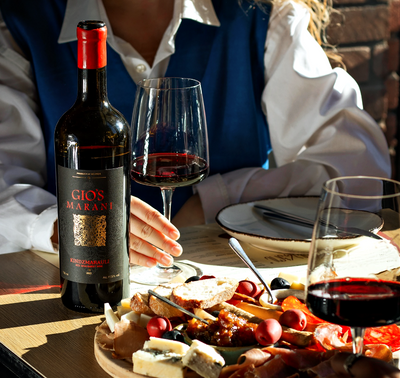
Sydney Wine Tasting Guide for Smooth Pairings

Updated on: 2026-05-30
Sydney is now a serious destination for wine discovery, and sydneywine searches often reflect a desire for character, not trend-chasing.
Georgian wine traditions, especially Qvevri aging, offer a distinctive tasting profile that many wine lovers find both memorable and approachable.
This guide explains common myths, shares a practical tasting approach, and connects wines to food pairings inspired by supra culture.
You will also find clear buying and serving tips and a set of questions that address real-world decisions.
- 1. Myths vs. Facts
- 2. Personal Experience
- 3. sydneywine and the Georgian Wine Map
- 4. Qvevri: Why It Tastes the Way It Does
- 5. Pairing Supra-Style Matches
- 6. Choosing a Bottle Like a Pro
- 7. Final Thoughts & Takeaways
- 8. Q&A
- 9. About the Author
1. Myths vs. Facts
When people search for sydneywine, they are usually looking for something specific: great bottles, clear guidance, and pairings that feel intentional. However, wine culture also spreads myths. Below are the most common ones, answered with practical perspective.
Myth: “Natural” wines mean “wild” or “unpredictable.”
Fact: Many natural styles still follow consistent craft decisions. The best way to judge is by aroma, texture, and the integrity of fruit and acidity.
Myth: Qvevri wine is only for adventurous drinkers.
Fact: Qvevri character can be expressive and approachable. When you match it to food, the style often feels inviting rather than challenging.
Myth: Red wine must be paired only with heavy meat.
Fact: Many Georgian reds handle grilled vegetables, herbs, and spiced sauces well. Herbs and acidity often matter as much as weight.
Myth: Sweet wine is always a dessert wine.
Fact: Medium sweet styles can pair with salty dishes, roasted nuts, and certain fruit-forward courses. Balance is the key.
Myth: Wine selection is only about grape variety.
Fact: Winemaking, aging vessel, and regional climate all shape flavor. A thoughtful label reading improves results.
2. Personal Experience
The first time I tasted a Georgian red with Qvevri influence, I expected something rustic in a distant, museum-like way. Instead, it felt vivid and food-ready. The aroma carried dark fruit and soft spice, but the texture stayed balanced. That contrast changed how I approached sydneywine in practice: I stopped searching only for “what is trendy” and started asking “what will work with my table.”
Since then, I have used a simple method at tastings and at home: smell, then texture, then pairing logic. If the wine aligns with the dish style—herbs, roast aromas, acidity, and spices—the bottle often performs beyond expectations.

Map-style sketch linking regions to tasting notes
3. sydneywine and the Georgian Wine Map
For many wine lovers, sydneywine is not only a location search. It is a shorthand for curiosity: “What should I try next, and how will it taste?” Georgian wine regions provide an answer because they offer both geographic identity and craft traditions that remain consistent across generations.
Georgia’s landscape includes varied elevation and climate influences. This diversity helps explain why grape varieties can show distinctive expressions even when the winemaking goal is similar. When you explore Georgian wines, you are not just tasting a label. You are tasting a region’s rhythm—how fruit ripens, how acidity settles, and how fermentation develops character.
In practical terms, wine map thinking helps you choose. If you want bright lift, you may prefer styles that show freshness and aromatic clarity. If you want depth, you may look toward darker fruit profiles and more structured textures. If you want something quietly complex, you may choose medium sweet wines with preserved fruit notes and rounded balance.
To ground your exploration, consider building a small flight that covers different grape expressions. You can begin with a red for structure, add a medium sweet option for balance, and include a mineral-forward pairing for palate reset. This approach also helps you learn your own preferences quickly.
If you want a concrete starting point from a Georgian portfolio, you can browse a red example at Sachino red, medium dry. For a deeper, savory-leaning profile, explore Saperavi from Tbilvino. Choosing across styles supports a more accurate sydneywine discovery process.
4. Qvevri: Why It Tastes the Way It Does
Qvevri aging is a defining feature in Georgian winemaking. Many people hear the term and imagine an extreme style. In reality, Qvevri is best understood as a vessel approach that influences oxygen exchange, texture development, and aromatic integration.
When wine rests in a clay vessel, flavor compounds evolve differently than they do in stainless steel or oak-centric systems. The result can be an aroma that feels layered rather than sharply separated. On the palate, texture can appear gently structured. That does not automatically mean tannin-heavy. Some Qvevri-influenced reds feel more like polished fruit with spice edges.
At the same time, it is important to distinguish vessel from intention. A Qvevri wine can still be balanced through careful fermentation decisions and measured oxygen exposure. Therefore, rather than assuming “all Qvevri wines are the same,” you should evaluate each bottle on its sensory details.
Here is a quick tasting checklist you can use when selecting Georgian reds or whites with Qvevri influence:
Aroma: Look for fruit clarity first, then spice and earth notes. If fruit disappears quickly, the wine may be less aligned with your palate.
Texture: Notice whether the wine feels smooth, chalky, or lightly grippy. Texture often predicts pairing success.
Acidity: Freshness matters for herb-forward dishes. If acidity feels low, the wine may feel heavy with spicy sauces.
Finish: A longer finish usually indicates more cohesive flavor integration.
When you apply this checklist, you move beyond speculation. You start making decisions that feel repeatable, which is the true value behind any sydneywine exploration.

Serving scene with herbs, spices, and balanced wine glasses
5. Pairing Supra-Style Matches
Supra culture is a guiding idea behind many Georgian food and wine pairings. A supra is not only a meal. It is a sequence of shared plates, animated conversation, and a focus on balance. That framework makes pairings easier because it encourages you to consider the whole spread rather than a single course.
Think in terms of flavor families:
Herbs and greens: Wines with good acidity and clean aromatic lift tend to fit well.
Roasted and charred notes: Medium to full-bodied reds often complement grilled aromas.
Spices and chili heat: Wines with texture and fruit can cushion heat without losing definition.
Pickled elements: Acidity and mineral structure can harmonize with briny flavors.
Fruit preserves: Medium sweet wines can echo sweetness while still benefiting from acidity.
For wine lovers who enjoy practical pairing guidance, a Georgian-inspired seasoning approach can add structure to your meal. For example, when planning a meal with savory warmth and herb brightness, consider khinkali seasoning. If your menu includes roasted or sautéed vegetable plates, an ingredient-led match such as borsch seasoning can help you build a consistent flavor direction.
For those who prefer sauces and condiments that make every bite feel intentional, explore classic green tkemali. Tkemali-like tartness can work especially well when the wine has a supportive texture and enough lift to avoid tasting flat.
Pairing is also a serving-time practice. Let wines breathe appropriately, and avoid serving too cold. A slightly warmer temperature often helps fruit and spice integrate, making Georgian wines feel more cohesive across a multi-dish table.
6. Choosing a Bottle Like a Pro
When you search for sydneywine, it is common to face the problem of choice overload. You can solve that by focusing on three decision levers: style, grape expectations, and food alignment.
Step one: Choose a style goal. Decide whether you want crisp brightness, textured complexity, or medium sweetness with preserved fruit influence. This reduces indecision quickly.
Step two: Use grape literacy, not grape mythology. Saperavi is often associated with deep color and dark fruit impressions. Other varieties can show aromatic clarity or lighter fruit character. However, avoid assuming identical results across vintages. Instead, use grape knowledge as a starting point for your sensory expectations.
Step three: Match the wine to the dish sequence. For a supra-inspired spread, you can use one structured red, one lighter or aromatic option, and one balancing sweet or medium sweet bottle. This creates a natural rhythm. It also helps your guests experience more variety without clashing flavors.
If you prefer building around a structured red profile, a bottle such as Papari Valley Saperavi can serve as a reliable anchor. If you want a medium sweet expression that can work outside of dessert, consider Khvanchkara medium sweet. For a red that leans toward accessibility with balance, Dry White Mix II may help you test how different white styles behave with herbs and lighter plates.
Finally, do not ignore glassware and pour size. A modest pour supports more accurate aroma reading. Clean glassware improves aromatics, and it makes it easier to detect whether a wine is integrating well.
7. Final Thoughts & Takeaways
Wine discovery in Sydney is not only about finding what is popular. It is about finding what fits your tastes and your table. The most successful sydneywine journeys combine curiosity with a clear method: debunk myths, taste for texture and balance, and pair using supra culture logic.
Georgian wine traditions offer a strong advantage because they connect region, craft, and food in a coherent way. Qvevri influence can bring aroma depth and textural integration that rewards thoughtful pairing. When you select bottles with a style goal and serve them with confidence, Georgian wines often feel both distinctive and practical.
If you want to take action, start by choosing one Georgian red for structure, one bottle that offers balance, and one supporting style for freshness. That simple plan makes the next tasting decision easier and more rewarding.
8. Q&A Section
How should a beginner start with sydneywine themed Georgian selections?
Begin with a clear style goal. Choose one structured red and one lighter or medium option for balance. Then use tasting checks for aroma clarity, texture, and acidity. If you plan a meal, prioritize herbs and savory warmth to learn how the wine behaves with real flavors.
What pairing strategy works best for a supra-style table at home?
Focus on sequencing rather than perfection. Start with lighter, herb-forward plates to highlight freshness, then move toward roasted and spiced dishes that benefit from more depth. Finish with a balancing medium sweet option or a condiment-driven tart element to keep the table dynamic.
Do Qvevri wines require special serving conditions?
They benefit from attentive serving, not complicated rituals. Avoid overly cold temperatures, allow brief aeration for aroma integration, and use appropriate glassware so that texture and finish are easy to read. Your goal is to make the wine expressive without losing balance.
Disclaimer: This article is for educational and informational purposes only. Wine preferences vary by individual taste. Always check the product label and store guidance for specific serving and storage recommendations.