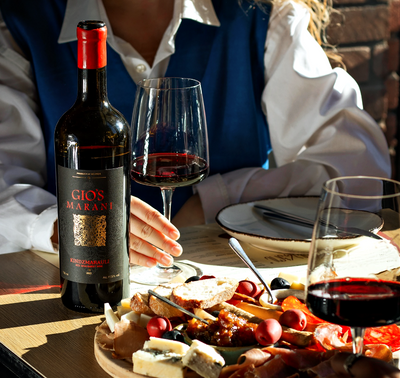
Qvevri Aging Process: Steps for Deeper Flavor

The Qvevri aging process is an ancient method that shapes Georgian wine through controlled micro-oxygenation and a distinctive vessel character. It is valued for textural richness, aromatic clarity, and a sense of place that wine lovers can recognize by taste alone. This guide explains how Qvevri vessels influence fermentation and long aging, and what sensory traits typically emerge. You will also learn practical serving ideas, food pairing guidance, and key questions to ask when exploring Georgian wines.
Table of Contents
- Introduction
- Benefits & Reasons
- How the Qvevri Aging Process Works
- The Role of the Earthen Vessel
- Micro-oxygenation and Texture Development
- Aromatics, Lees Contact, and Depth
- Georgian Regions, Styles, and Grape Choices
- Serving, Pairing, and Supra-Inspired Pairings
- Visual Learning Moment
- FAQ
- Final Thoughts & Recommendations
- About the Author
Introduction
The Qvevri aging process is one of the most compelling traditions in modern wine culture. Across Georgia, dedicated winemakers use earthen vessels to transform grape juice into wines with a distinct rhythm: slow evolution, layered aromatics, and a texture that often feels both structured and inviting. For wine lovers, sommeliers, and restaurant teams, this method offers a bridge between craft and terroir, where geology, grape variety, and cellar choices meet in a single glass.
In practical terms, the qvevri vessel becomes an active participant. It influences temperature stability, oxygen exchange, and how the wine interacts with solids during aging. The result can range from bright, mineral-leaning whites to aromatic, fuller-bodied reds and amber-style expressions. Understanding the process helps you taste with more clarity and choose pairings that highlight the wine rather than overpower it.
Benefits & Reasons
1) A distinctive texture and mouthfeel
Many wines shaped by the qvevri aging process present a creamy, gently gripping texture. This often stems from lees contact, gradual oxygen influence, and the way solids settle and integrate over time. Even when the wine is dry and crisp, it may still feel multidimensional rather than thin.
2) Aromatic clarity with depth
The best examples tend to show defined fruit character alongside earthy and floral notes. You may notice pear and citrus impressions in white styles, or dark cherry, plum, and spice in reds. Rather than a single front-loaded burst, the aromas frequently unfold as the wine breathes.
3) Terroir expression that feels tangible
Georgia’s wine regions and vineyards vary in slope, soil composition, and sun exposure. When the winemaking approach is consistent and the vessel environment is stable, the wine can reflect those variables more plainly. This is one reason wine maps and regional storytelling matter for qvevri wines.
4) Pairing versatility for food-forward tables
Supra culture encourages shared plates, bold spices, and generous flavors. Wines made in a qvevri tradition often pair comfortably with grilled meats, herbal dishes, and vegetable sides. The structure can support savory notes, while the aromatic profile complements herbs, sauces, and spices.
How the Qvevri Aging Process Works
At its core, the Qvevri aging process centers on fermentation and aging inside an amphora-like earthen vessel. The vessel is typically sealed during aging, while still allowing a controlled, slow exchange of air. This balance encourages gradual integration of tannins, improved texture, and harmonized aromatics.
Although winemaking choices vary by producer, the overarching approach relies on stability and patience. Temperature moderation, solid contact during fermentation, and slow aging contribute to wines that often feel coherent and expressive.
The Role of the Earthen Vessel
The qvevri is more than storage. Earthen clay can moderate temperature swings and create a steady cellar microclimate. That stability supports a consistent fermentation pace and reduces sharp swings in flavor development. It also helps the wine settle into a rhythm where aromatics become more layered rather than merely loud.
Producers also consider cleaning practices and vessel maintenance, because earthen vessels require thoughtful care. When craftsmanship is consistent, the wine may show fewer harsh edges and more integrated character.
Micro-oxygenation and Texture Development
Even when a vessel is sealed, small oxygen exchange can occur over time. This micro-oxygenation contributes to color evolution in red wines and the rounding of tannins. For white and amber-style wines, the influence can support a fuller texture without turning the wine into a heavy, flat profile.
Texture is where many tasters first notice the difference. Instead of relying solely on new oak or rapid extraction, the qvevri aging process can deliver a smoother, more natural integration of solids and wine.
Aromatics, Lees Contact, and Depth
During and after fermentation, wines can remain in contact with lees and grape solids. Lees contact can add body and enhance savory complexity. It may also refine aromatics, giving a sense of depth that feels layered rather than simple.
In practical tasting terms, you might first notice fruit and floral notes, then a second layer of earthy spice, dried herb impressions, or mineral nuance. As the wine opens, the aromatics often become more coherent, particularly when served at the right temperature.

Earthen vessel texture, slow airflow, and aromatic layers
Georgian Regions, Styles, and Grape Choices
Georgian winemaking is rich in regional identity. The qvevri aging process is used across multiple areas, and the sensory outcomes often reflect local conditions. When you explore a wine map, you can start to see patterns: some regions emphasize bright acidity and mineral definition, while others lean toward fuller reds and deeper spice.
White and amber styles frequently feature indigenous varieties selected for their aromatic potential and structural balance. In red styles, grapes may bring fruit intensity and tannin support that benefits from gradual evolution inside the vessel.
While tasting experiences differ by producer, you can use general cues to guide your selection. Look for descriptions that mention vessel aging, lees contact, or traditional winemaking. For reds, consider whether the wine is likely to show dark fruit, cocoa-like depth, or herbal spice. For whites, consider if you want citrus brightness, stone-fruit character, or a softly oxidative amber profile.
Serving, Pairing, and Supra-Inspired Pairings
Serving technique matters for qvevri wines. Many styles benefit from slightly cooler temperatures than room temperature, which preserves aromatics. Decanting can help fuller reds and amber wines by integrating aromas and softening any initial reduction.
Pairing is where the Georgian food experience becomes unforgettable. Supra tables often include herbs, garlic, grilled meats, pickled vegetables, and rich sauces. Wines shaped by qvevri aging can align with these flavors through texture, aromatic lift, and supportive structure.
Food pairing ideas for white and amber styles
Try them with grilled fish, herb-forward salads, roasted vegetables, and dishes seasoned with garlic, dill, or citrus. Their texture can handle savory accents, while their aromatic profile stays responsive to fresh herbs.
Food pairing ideas for red styles
Consider roasted lamb, smoky sausages, beef stews, and hearty vegetable plates. If the wine shows herbal spice or earthy notes, pairing with dishes that include peppers, mushrooms, or peppery sauces often produces a balanced result.
If you want a simple way to build a pairing plan, start with a sauce or spice profile from the table and choose a wine that complements its character. For example, if the table includes a tangy, savory element, look for qvevri wines that feel structured but not overly heavy.
For a wider Georgian meal experience, you can also explore how shop-ready Georgian staples complement wine nights. For example, you may pair wine with a Georgian-style spice or condiment from LotusVida when planning a themed menu at home or in a venue.

Supra-style plates, herbs, and wine aromatics in balance
FAQ
What makes the Qvevri aging process different from stainless steel or oak aging?
The main difference is the earthen vessel. The qvevri supports stable aging conditions and enables controlled, gentle oxygen influence. This often leads to integrated texture and aromatics that feel shaped by both grape character and vessel environment, rather than primarily by neutral steel or oak wood expression.
Do Qvevri wines need special serving practices?
Most qvevri wines benefit from careful temperature control. Serving slightly cooler helps preserve aromatic detail, and decanting can improve the first impression for fuller reds and amber-style wines. The goal is to encourage the wine to open without losing clarity.
How should I choose a qvevri wine for food pairing?
Start with the dominant flavor on the plate. For herb-driven and tangy dishes, choose a wine that has aromatic lift and a supportive texture. For smoky, savory, or peppery plates, select a wine with enough structure to balance richness. When in doubt, prioritize wines with coherent aromatics rather than wines with extreme intensity.
Final Thoughts & Recommendations
The Qvevri aging process is a refined tradition that helps Georgian wine communicate with clarity. When you understand how the vessel, temperature stability, micro-oxygenation, and lees contact work together, tasting becomes more intuitive. You can then select bottles that match your palate goals, whether you prefer bright precision, amber complexity, or structured red depth.
To deepen your learning, taste across styles and regions, and pay attention to how aromatics change after a short aeration period. For restaurants and sommeliers, consistent service temperatures and thoughtful pairing choices create repeatable guest experiences. For collectors, documenting your impressions across vintages supports a more accurate appreciation of how craft decisions shape the final glass.
If you are building a Georgian wine lineup, consider exploring producers and styles that explicitly reference traditional vessel aging and varietal identity. This approach helps you align your selection with the experiences that matter to wine lovers, foodies, and hospitality teams.
Internal shopping links for your menu planning
- Saperavi aged with tradition
- Dry red for savory pairing
- Medium-dry option for balance
- Sweet style for dessert pairings
About the Author
TAMADA
TAMADA is an editorial and commerce-focused team specializing in Georgian wine and Qvevri wines for wine lovers, foodies, sommeliers, and restaurants. The expertise area includes wine education, regional storytelling, and pairing guidance across Georgian grape varieties and supra-inspired menus. The team focuses on practical tasting insights that support confident choices at home and in hospitality settings. Thank you for reading and exploring Georgian wine culture with care.
Disclaimer: This article is for educational and informational purposes only. Wine characteristics vary by producer, vintage, and handling, and tasting preferences differ by individual. Always review the specific product label and consult qualified professionals for service guidance in professional settings.