⚡️10% OFF⚡️ FIRST ORDER 📦 Code: GEORGIA (exclusions apply)

Georgian Wines Have Finally Arrived

Tamada Wine Collection: Styles, Tasting Notes, Pairings

Tamada Wine Collection: Styles, Tasting Notes, Pairings

Updated on: 2026-05-29

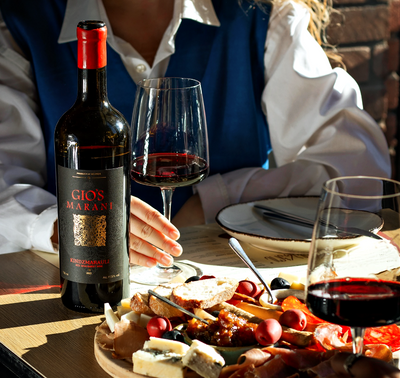
The Tamada wine collection brings together curated Georgian wines with a focus on balance, regional identity, and food-friendly style. In this guide, you will learn how to evaluate bottles by grape, sweetness level, aroma profile, and aging approach. You will also discover common buying mistakes, practical pairing ideas for supra culture, and a simple framework for building a coherent tasting lineup. By the end, you will be prepared to select wines that match your palate and your table, with confidence and clarity.

Why the Tamada wine collection is a smart way to explore Georgian wine

If you enjoy discovering wine regions through taste rather than marketing, a curated lineup can save time and reduce guesswork. The Tamada wine collection is designed for people who want structure: clear choices, thoughtful pairings, and a reliable path into Georgian viticulture. You will learn how to interpret a label like a sommelier would, how to connect wines to Georgian grape varieties and growing areas, and how to build a tasting experience that feels coherent at home or in a restaurant setting.

Georgian wine is not only about tradition. It is also about distinct flavor signatures shaped by site, grape, and technique. When you approach the bottle with a simple framework, you can move from “What should I buy?” to “What will this taste like at my table?” That is the value of a collection.

Common Mistakes to Avoid

Buying only by price or rating. Georgian wines can vary widely in sweetness, acidity, and aromatic intensity. A low-cost bottle can be compelling, and a premium bottle can be perfectly matched to a meal. The issue is skipping the tasting logic. Look at the style first, then align it with your palate.

Ignoring sweetness and acidity. Semi-sweet and dry wines behave very differently with food. If you select a sweeter bottle for a meal that already carries fruit, herbs, and heat, the wine may feel cloying. If you choose an overly dry style for a dish with rich sweetness, the wine may taste sharper than intended.

Overlooking grape variety. In Georgian wine, grape variety is a primary signal for aroma and structure. Saperavi often brings deep color and layered fruit, while certain aromatic varieties can shift the conversation toward florals, stone fruit, or spice. When you know the grape, you can anticipate the direction of the tasting flight.

Pairing without understanding supra culture. Supra is not just dinner. It is a sequence of dishes, herbs, sauces, breads, and shared rituals. Georgian wine is often selected to hold up across that variety. If you pair the first course perfectly but ignore the next three dishes, the experience becomes fragmented.

Chasing one style only. If your collection contains only one sweetness level or only one aromatic profile, the tasting becomes predictable. A stronger approach is to include diversity: a dry red for structure, a semi-sweet or gently sweet option for aromatic harmony, and an additional style that refreshes between bites.


To illustrate this, consider how a wine map connects regions to flavor cues. When you treat the table like a sequence, you can “read” the meal the way a wine professional would.

Pros & Cons Analysis

Pros

  • Curated coherence. A collection approach encourages harmony between styles rather than random selection.
  • Better food pairing. Georgian wines typically align well with herbs, spices, grilled meats, and preserved condiments.
  • Clearer learning curve. You can compare bottles across grape varieties, sweetness levels, and regional signatures.
  • Restaurant-ready versatility. The lineup concept works for both private tastings and hospitality menus that need dependable pairings.

Cons

  • Limited exploration within one purchase. A curated set can reduce the chance of unexpected discoveries outside the selected styles.
  • Mismatch risk if preferences are narrow. If you strongly prefer one sweetness level, you may need additional guidance beyond the collection.
  • Perception bias toward “collection logic.” Some drinkers may assume all bottles taste similar. In practice, Georgian wine styles can remain distinct even within a curated brand universe.

A practical example of a semi-sweet choice

For diners who enjoy a softer finish, a semi-sweet Georgian wine can add roundness to the table. It can also enhance the perception of fruit in dishes such as roasted poultry, vegetable-based sides, or meals where herbs and spices create layered flavors.

To ground the concept, here is an example you may consider for your next tasting flight.

Georgian Wine KINDZMARAULI (Semi-Sweet)

Georgian Wine KINDZMARAULI (Semi-Sweet) label image

View KINDZMARAULI (Semi-Sweet)

When you taste a semi-sweet option, focus on three sensory checkpoints: the first aroma impression, the balance between fruit and acidity, and the finish length. If the finish feels smooth and clean, the wine is likely to pair well across a multi-dish table.

Three tasting glasses with fruit, herbs, and spices

That “three checkpoint” method mirrors how many wine professionals structure tastings: aroma, palate balance, and finish behavior.

Quick Tips

  • Start with your food plan. Choose the meal first, then align the wine style. For example, plan for herbs and sauces, not only the main protein.
  • Build a three-bottle rhythm. Select one dry red for structure, one complementary style with aromatic lift or gentle sweetness, and one additional bottle that resets the palate.
  • Use grape as your forecast. If you see Saperavi, expect darker fruit and a more structured profile. Use that expectation to guide what you order alongside it.
  • Think in flavor pairs, not exact matches. Georgian wine often works through harmony: fruit echoes fruit, herbs echo freshness, and acidity echoes tangy sauces.
  • Map your heat level. If your menu uses chili, choose a wine that can stand up to the intensity without becoming harsh.
  • Prefer variety within the same tasting theme. A collection is at its best when bottles differ enough to create comparison while remaining aligned to your dining style.
  • Consider simple condiment support. If you serve dips, preserves, or savory spreads, select wines that can “meet” those flavors rather than fight them.

If you want to extend the meal beyond wine, consider pairing concepts from the Georgian pantry. For example, you can explore Georgian mineral water for a clean reset, or add seasoning elements that echo the wine’s aromatic world.

For those building a tasting itinerary around Georgian red grapes, you can also consider exploring specific bottle styles that connect to Saperavi-driven profiles.

Wrap-Up & Key Insights

The Tamada wine collection offers a structured way to explore Georgian wine through regional identity, grape-driven expectations, and food pairing suitability. By avoiding common mistakes like overlooking sweetness and acidity, and by using a practical tasting framework, you can build a lineup that feels intentional rather than accidental. Use the quick tips to plan your meal sequence and choose wines that support herbs, sauces, and the evolving flavors of supra-style dining. If you want a confident next step, select one style you know you enjoy, then add one bottle that expands the spectrum in a controlled way.

When you are ready to browse, start by reviewing the current selection on the Tamada site and compare styles by grape and sweetness, not only by label appeal.

Explore Georgian wine on TAMADA

Q&A Section

What does “collection” mean for wine shopping?

A wine collection approach focuses on coherence. Instead of purchasing unrelated bottles, you choose wines that complement each other by sweetness level, aroma intensity, and dining versatility. For Georgian wine, this often means selecting styles that work with herbs, sauces, and multi-course meals.

How should I choose between dry and semi-sweet Georgian wine?

Choose based on your meal structure. Dry wines typically bring clarity and crispness with savory and herb-forward dishes. Semi-sweet wines add softness and fruit roundness, which can work well when the table includes tangy elements, roasted meats, or dishes where fruit notes and spices create a balanced profile.

Which Georgian pairings work best for a supra-style table?

Focus on harmony across the spread. Wines often perform well when they can meet the flavor movement created by herbs, grilled or roasted meats, and condiments. If your menu includes heat, preserved flavors, and tangy sauces, prioritize wines with enough structure and balance to avoid clashing or becoming overly sharp.

About the Author

TAMADA

Expertise in Georgian wine selection, Qvevri-inspired traditions, and restaurant-style pairing guidance. TAMADA helps wine lovers and hospitality teams navigate grape varieties, regional character, and food match strategy with clear, practical recommendations. The goal is simple: make discovery feel confident. Thank you for reading and tasting with intention.

Saperavi Wine Tasting Guide: Notes and Perfect Pairings

Saperavi Wine Tasting Guide: Notes and Perfect Pairings

Updated on: 2026-05-28

Discover what makes saperavi a defining choice among Georgian red wines. This guide explains typical sensory traits, how it differs from other Georgian styles, and what to expect from dry and aged bottles. You will also find a practical buying checklist and pairing ideas grounded in supra culture. Use it to select a bottle that matches your palate and your table.

Introduction

saperavi is one of Georgia’s most influential red grape varieties, valued for deep colour, bold fruit, and a character that often feels both rustic and refined. In Georgian wine culture, it is not merely a grape. It is a sensory story that connects vineyard sites, traditional winemaking choices, and the welcoming rhythm of a supra. If you are learning the grape map of the Caucasus, you quickly notice a pattern: saperavi frequently anchors tables with its confident structure and layered palate.

This article is designed for wine lovers who want clarity without guesswork. You will learn how to recognize saperavi by style cues, how to choose between dry expressions and richer interpretations, and how to pair it responsibly with food. The goal is simple. You should be able to select a bottle that performs at the table, not only on a review page.

Common Mistakes

Many buyers approach saperavi with expectations shaped by labels they have seen elsewhere. Georgia’s red wines can be expressive, and that is exactly why accurate selection matters.

  • Assuming all saperavi tastes the same. Styles vary by vinification, vineyard selection, and aging decisions.

  • Choosing based only on colour. Deep ruby can appear in multiple Georgian reds, but structure and aromatics define the experience.

  • Ignoring dryness level. A dry saperavi reads differently on the palate than sweeter interpretations.

  • Overlooking food fit. This grape can support spice, smoke, and roasted meats, yet it may feel heavy with overly delicate dishes.

  • Skipping vintage context. While many bottles can be enjoyed early, many saperavi expressions develop more integration with time.

Buyer’s Checklist

Use the following checklist to select saperavi with confidence. Treat it as a palate plan. Your ideal bottle will match both your tasting preferences and your planned table.

  • Confirm style: Look for indications that the wine is dry and review the tasting profile on the product page.

  • Assess aromatics: Expect red and dark fruit, often with hints of plum, berry skins, and subtle earthy notes.

  • Evaluate structure: Check descriptors related to tannin and body. Saperavi commonly offers a firm backbone.

  • Look for balance cues: A good bottle shows fruit clarity without sacrificing acidity or texture.

  • Consider aging intent: If the bottle is made for early enjoyment, seek straightforward fruit and accessible tannin.

  • Pair with the right table: Plan for grilled meats, mushroom dishes, and hearty stews that can handle depth.

  • Match to the menu rhythm: For supra-style spreads, choose a bottle that can move between courses.

If you want a structured Georgian red experience, you can also explore a well-known saperavi anchor from our catalogue. Consider Papari Valley saperavi for a reliable starting point when you are building your Georgian rotation.

Map-style icons for fruit, spice, and tannin

Pairing matters as much as selection. A saperavi bottle often shines when the food carries flavour intensity. Think in terms of texture and aromatics rather than only ingredients. When your meal includes roasted or charred elements, the wine’s darker fruit and savoury notes can harmonize.

For spice-friendly tables, Georgian condiments and small dishes can become your best guide. Try adding khinkali seasoning to enrich sauces and meat fillings, or use a complementary condiment to build depth. If your table includes more herbal elements, consider a pairing that keeps the wine’s fruit in focus while letting aromatics remain distinct.

FAQ Section

Below are targeted answers to common questions about buying and enjoying saperavi.

Is saperavi always full-bodied?

Saperavi is often described as robust and structured, but the perceived body depends on dryness level, ageing, and extraction style. Some dry saperavi expressions feel lighter in the first sip because the tannin is smoother, while others feel heavier due to density and concentration.

What food pairs best with saperavi?

Saperavi frequently pairs well with grilled meats, lamb, mushrooms, and hearty vegetable dishes. It also works with rich sauces and spice-forward meals, particularly when the food includes roasted or savoury depth.

How should I serve saperavi?

Serve it at a cool, cellar-like temperature to preserve aromatics and maintain balance. Overly warm serving can amplify alcohol perception and reduce the clarity of fruit. A calm serving temperature helps the wine show its layered texture.

How can I recognize a well-integrated bottle?

A well-integrated saperavi usually shows a cohesive arc: fruit presence at the start, savoury and earthy cues in the middle, and a tannin finish that feels structured rather than sharp. If you notice persistent harshness, the bottle may benefit from decanting.

Wrap-Up & Final Thoughts

saperavi is a grape variety built for conversation. It offers deep colour, vivid fruit, and a structured palate that suits both casual evenings and curated Georgian feasts. When you use a checklist approach, you reduce uncertainty and increase enjoyment. Focus on style cues, dryness level, and the kind of table you plan to host.

To extend your learning, build a small tasting ladder. Start with an approachable saperavi, then move to a bottle with more integration and depth. Pair with Georgian spices, sauces, and hearty mains so the wine is not the only star on the plate. If you want to explore Georgian wine as a lived experience, you can also discover more about wine culture through OesenX.

Disclaimer: Wine enjoyment is subjective. This guidance is based on typical wine styles and pairing principles, not on medical or health claims. Always follow storage and serving instructions on the specific product label.

Q&A Section

What distinguishes saperavi from other Georgian red grapes?

saperavi often stands out for its pronounced colour and firm structure, with aromatics that can include dark berry, plum, and earthy savoury notes. Other Georgian reds may emphasize lighter fruit, different spice expression, or smoother tannin patterns. The most reliable distinction is how the wine feels across the palate, especially the balance of tannin and fruit clarity.

Should I decant saperavi?

If the bottle shows tight tannins or a slightly closed aroma, decanting can help. The purpose is to encourage oxygen contact and allow the wine’s aromatics to open. For smoother bottles, decanting may be unnecessary; you can simply let it rest briefly before serving.

How do I choose between different saperavi vintages?

Start by aligning your choice with your tasting timeline. If you prefer immediate accessibility, select a bottle positioned for earlier drinking. If you enjoy integration and secondary nuance, choose a bottle that is presented as more age-worthy. On the product page, look for details that suggest style and development intent.

Can saperavi work in a restaurant setting?

Yes, saperavi can perform well in restaurant service because it pairs with classic menus built around meat, spice, and sauce. Its structure supports hearty dishes without disappearing. For best results, pair it with menu items that match its savoury direction, such as roasted proteins, mushroom preparations, and robust stews.

About the Author

TAMADA is written by a team focused on Georgian wine education and food pairing guidance. The authors specialise in Georgian wine regions, Qvevri traditions, and the practical art of choosing bottles for supra-style menus. You will find recommendations grounded in sensory language and market-relevant selection principles. Thank you for reading, and enjoy your next pour with confidence.

Georgian Wine Tasting Tips for Balanced Flavor

Georgian Wine Tasting Tips for Balanced Flavor

Updated on: 2026-05-27

Georgian wine offers deep color, distinct aromas, and a long history shaped by Qvevri winemaking. It is celebrated for regional character, expressive grape varieties, and versatile food pairings. You can explore dry reds and whites, as well as naturally sweet styles, with confidence in how they fit into a full table. With the right tasting approach and pairing choices, every bottle becomes part of a shared Supra moment.

1. Buyer’s Checklist

2. Step-by-Step Guide

3. FAQ

4. Closing Thoughts & CTA

5. About the Author

Georgian wine is among the most distinctive wine traditions in the world. Its character comes from place, grape, and craft, with Qvevri vessels playing a central role in many styles. From the citrus lift of some whites to the structured spice of classic reds, Georgian bottles invite careful tasting rather than quick comparisons. This guide supports buyers, newcomers, and experienced drinkers who want clarity, practical selection criteria, and pairing ideas for memorable meals. If your goal is a richer understanding of wine maps, regions, grape varieties, and Supra culture, this article provides a grounded path forward.

Buyer’s Checklist

  • Decide your style first: choose between dry red, dry white, naturally made orange style, or medium sweet styles, depending on your taste.
  • Look for regional signals: identify whether a bottle highlights Kakheti, Imereti, Racha-Lechkhumi, or other Georgian wine regions to better predict flavor direction.
  • Check grape variety names: Saperavi, Rkatsiteli, Kisi, and others often guide expectations for color, tannin, acidity, and aroma.
  • Understand Qvevri context: Qvevri fermentation and aging often produce textured, savory, and sometimes lightly oxidative notes in the glass.
  • Plan food pairing: select a wine that can handle herbs, garlic, pepper, and fermented elements common in Georgian cuisine.
  • Match sweetness level to the meal: dry wines suit grilled and herby dishes; sweet wines can balance spice, honey notes, or fruit-forward desserts.
  • Assess structure: prefer higher tannin and deep color for slow-cooked meats, and choose brighter acidity for vegetable dishes and salads.

The quickest way to improve results is to pair your wine selection with your table. Georgian wine is designed for conversation, not just for sipping.

Tvishi (Semi-Sweet White) - TAMADA

Steps-by-Step Guide

Use this sequence to select Georgian wine with fewer guesses and better outcomes. Each step focuses on sensory logic: aroma first, then texture, then pairing fit.

  1. Start with the bottle label details: note the grape variety and whether the wine is described as dry, medium sweet, or naturally made. This step reduces uncertainty.
  2. Choose a Georgian region direction: if you prefer darker, savory reds, you may lean toward regions associated with robust red grapes. If you like aromatic whites, consider regions often linked with bright, mineral-leaning profiles.
  3. Clarify your texture preference: Qvevri-influenced wines can feel grainy, rounded, and layered, while some tank or traditional methods can present a more linear style.
  4. Taste with a three-part focus:
    • First impression: identify fruit, floral notes, and any earthy lift.
    • Mid-palate: look for tannin density in reds or richness and grip in whites.
    • Finish: confirm length and whether spice, dried herbs, or gentle bitterness appears.
  5. Select a pairing that mirrors Georgian flavors: aim for complementary seasoning rather than generic “red with meat” logic.
  6. Build a Supra-style table approach: start with lighter bites, move toward richer mains, and reserve sweet or aromatic bottles for later courses.

Practical pairings for Georgian wine regions and grapes

Georgian cooking often uses herbs, toasted spices, garlic, and fermented notes. This makes wine pairing less about strict categories and more about balance. A structured red can stand up to grilled meats and spice rubs. A crisp white can carry the freshness of salads and herbs. When you use sauces and spice blends intentionally, the wine becomes more coherent.

If you want a proven route for Georgian-style food, consider how regional seasoning works. For example, a bold red such as a Saperavi-driven profile often pairs well with hearty, spiced dishes. If you prefer a drier white expression with citrus and stony tones, it can align with lighter spreads and vegetable plates.

For buyers who also plan a full meal, you may want to explore Georgian spice anchors and table companions from the Australian retailer TAMADA. You can begin with Saperavi dry red options to establish your baseline, then widen your table choices as the menu evolves.

How to choose between dry red, dry white, and sweet styles

Dry Georgian wine is often selected for its clarity of structure. Dry reds can show dark fruit, dried herbs, and a savory backbone. Dry whites may offer citrus, stone fruit, and mineral tension. Medium sweet styles tend to soften the edges of spice and can create a gentle contrast with fruit preserves.

  • For dry red: prioritize dishes with char, pepper, and slow-cooked depth. Think of mains that benefit from tannin and a longer finish.
  • For dry white: prioritize freshness and aromatic lift. Choose salads, herb-forward sides, and lighter preparations with careful seasoning.
  • For medium sweet: consider desserts, fruit-forward bites, or spicy-sweet contrasts where sweetness helps the spice feel smoother.

When you select wine for a Supra table, it is also helpful to consider the “flow” of courses. A sequence that includes one dry structure, one aromatic lift, and one softer finish often produces an intuitive progression. If you want to explore the broader red and food table theme, you can also browse medium sweet Khvanchkara style as a reference point for later-course pairing.

FAQ

What makes Georgian wine different from other wine traditions?

Georgian wine is shaped by its regions, grape variety traditions, and methods that include Qvevri fermentation in many classic styles. This approach often creates distinctive texture, layered aromas, and a savory, earthy dimension that feels at home with herb-rich cuisine. The result is a wine style that commonly reads as more textured and food-friendly than many simplified profiles.

How should I taste Georgian wine to understand it quickly?

Begin by observing aroma intensity and direction. Then assess texture: tannin grip in reds, and richness or mineral tension in whites. Finally, evaluate the finish for spice, dried herbs, or gentle bitterness. This three-part method aligns with how many Georgian wines express character, especially those influenced by Qvevri aging.

Which Georgian wine style pairs best with spicy Georgian dishes?

For spicy dishes, balance is key. Dry reds with firm structure can handle grilled pepper notes and char flavors, while medium sweet styles can soften heat and create harmony with fruit or honey-like elements. If your meal includes bold herbs and fermented accents, select a wine with enough backbone to remain clear, rather than a very light style.

Are Qvevri wines suitable for first-time buyers?

Yes, Qvevri wines can be a rewarding entry point when you select a style that matches your expectations. If you prefer a more familiar sensory profile, start with a dry red or dry white that signals clarity and balance. If you are open to a deeper textured experience, try an orange-leaning or savory profile. Many buyers find that pairing, more than method alone, determines satisfaction.

Closing Thoughts & CTA

Georgian wine rewards curiosity and deliberate selection. By using a structured buyer approach, tasting in three stages, and building pairings that reflect Supra flavors, you can move from uncertainty to confidence. If you are ready to explore with purpose, TAMADA offers a curated path for wine lovers, foodies, sommeliers, and restaurants in Australia who want authentic Georgian bottles and Qvevri insights.

To start your next tasting journey, consider your preferred style and then explore options on the TAMADA site, beginning with Brazil Santos coffee: Flavor profile, roasts, and tips for a reminder of how tasting frameworks improve results, then return to your Georgian wine selections with the same methodical mindset. For additional Georgian-focused pairing support, you can also explore seasoning ideas that help you build coherent flavor intensity across courses.

Disclaimer: Wine experiences vary by individual palate, serving temperature, glassware, and food context. This article provides general guidance for education and selection, not medical advice, and not guarantees of taste outcomes.

About the Author

TAMADA supports wine education and Georgian culinary context through curated sourcing and practical guidance for customers. This article reflects expertise in Georgian wine regions, Qvevri traditions, and food pairing logic designed for real tables. TAMADA focuses on helping shoppers make informed choices for home tastings and hospitality settings. Enjoy your next Supra-inspired pairing with confidence.

Svanetian Salt: Flavour Boosting Guide for Every Dish

Coarse salt with dried herbs in a small wooden bowl on a rustic table with garlic and lemon

Updated on: 2026-05-23

Learn how Svanetian salt shapes authentic Georgian flavor, especially when paired with hearty regional dishes and warm table culture. This guide explains what makes this salt distinctive, how to use it with confidence, and where it fits across wine and spice pairings. You will also find practical cooking steps for everyday menus, from finishing salads to seasoning grilled meats. Finally, the article includes answers to common questions and a clear next-step checklist.

Introduction

Svanetian salt is a celebrated Georgian pantry staple known for its bold seasoning profile and its ability to lift simple ingredients into a balanced, aromatic finish. It is rooted in the culinary traditions of the Svaneti region, where seasonings are valued for their depth, consistency, and versatility at the table. Many cooks reach for it when they want a savory result that feels both rustic and refined.

In Georgian cooking, seasoning is not an afterthought. It is part of the rhythm of a supra, where food, wine, and conversation build together. Svanetian salt fits that spirit because it can work as a finishing touch, a cooking boost, or a bridge between fresh ingredients and richer preparations. When you understand how it behaves, you can create meals that feel more intentional and more expressive.

To bring the flavour story full circle, this guide also connects seasoning choices with wine and pairing logic across Georgia’s major regions. Expect practical steps, pairing ideas, and technique notes that support restaurants, sommeliers, and home cooks alike.

Practical Guide: How to Use Svanetian Salt

1) Start with portion control, then adjust

Svanetian salt is often more aromatic than standard table salt. Because it may include dried herbs, spices, and garlic notes, it can deliver strong flavor even in small amounts. Begin with a light pinch, taste, and refine. This approach prevents over-seasoning and keeps the salt’s character clean rather than harsh.

For recipes that also include sauces or marinades, add Svanetian salt after you evaluate the baseline flavour. That method helps you preserve the intended balance between saltiness, warmth, and herb-driven aroma.

2) Use it as a finishing flavor for freshness

One reliable technique is to finish dishes with Svanetian salt just before serving. This timing helps keep the aromatic elements more vivid. It is especially effective for salads, roasted vegetables, grilled corn, and warm bread platters. The result is a fragrance-forward top note that feels freshly seasoned.

If you are building a supra-style spread, finishing with Svanetian salt can unify diverse dishes. People can taste a consistent seasoning signature across multiple plates without the entire menu becoming one-dimensional.

Herb-flecked seasoning falling over a cutting board

Herb-flecked seasoning falling over a cutting board

3) Match the salt to cooking methods

Different cooking methods change how seasoning reads on the palate. Use the salt differently depending on heat exposure and moisture level.

  • High-heat grilling and roasting: Add seasoning early, but keep the salt amount modest. The heat will broaden savory notes.
  • Quick sautéing: Add near the end to protect herb aromatics.
  • Simmered sauces and braises: Add gradually and taste frequently to avoid overpowering garlic and spice tones.
  • Vegetable-forward dishes: Use it as a finishing touch to keep flavours bright.

4) Build seasoning layers in sauces and marinades

When you use Svanetian salt in marinades, think in layers. First, season for salt and depth. Then, add aromatics. Finally, let acidity and fat round everything out. This is especially important when you cook meats, mushrooms, or legumes because the salt can help them taste complete rather than flat.

As a practical example, you can combine a gentle oil base with a drizzle of dressing and then finish with a measured amount of Svanetian salt. The aromatics will cling to oil-coated surfaces and distribute evenly across bites.

Product inspiration: a dressing-friendly approach

Pairing a seasoning with a texture is one of the fastest ways to build consistent results. Consider this olive oil and sunflower oil dressing route for salads, roasted vegetables, and bread dips.

Kakhetian Sunflower Dressing Oil 250ml
Kakhetian Sunflower Dressing Oil 250ml bottle graphic

You can use the dressing oil as the foundation, then add a restrained amount of Svanetian salt at the end for a perfume-like top note. This approach supports balance and lets the seasoning express itself without drowning the dish.

Shop Svanetian salt to explore a classic seasoning profile designed for Georgian cooking.

5) Apply it to high-impact recipe types

Because Svanetian salt is versatile, it can serve as a shortcut for several Georgian and Georgian-inspired formats. Consider the following use cases.

  • Spiced meat finishing: Dust grilled chicken, pork, or beef with a light layer. Keep the rest of the seasoning simple.
  • Hot vegetable bowls: Add after roasting to keep aromatics distinct.
  • Khinkali-style comfort: Use a small amount in dipping logic alongside peppery notes and warm sauces.
  • Soup brightness: Stir lightly near the end, then taste. Avoid adding too much early if the soup reduces.
  • Cheese and bread plates: Add sparingly to cut through richness.

If you prepare dumpling-style dishes or enjoy seasoning blends, you may also appreciate adjacent options such as khinkali seasoning for complementary warmth.

6) Connect seasoning choices with wine regions

Georgian cuisine is often paired with wines that balance acidity, tannin, and aromatic lift. While salt affects perception, well-chosen wine structure can make Svanetian salt taste more refined rather than sharper.

For example, if you serve a peppery, herb-forward dish, consider a wine with fresh fruit and controlled tannins. If the dish is roasted and smoky, choose a red that supports savory complexity. If the meal includes sour elements like pickles or vinegary sauces, select wines that handle acidity gracefully.

To align your menu with regional logic, remember this rule: salt brings out aroma; wine should then carry that aroma without competing. That mindset improves pairing confidence at home and in professional service.

For Georgian red pairings that often work well with spiced savory plates, explore options such as Saperavi. For sweet and savoury contrast, a carefully chosen late-harvest style can also play nicely, but it should remain balanced with the salt’s intensity.

Wine glass, herb sprigs, and steaming bowl on slate

Wine glass, herb sprigs, and steaming bowl on slate

Key Advantages

  • Concentrated flavor with controlled use: Small servings deliver noticeable aromatic depth.
  • Improved dish clarity: The herb and garlic character can sharpen the perception of other ingredients.
  • Cross-recipe versatility: It functions across salads, grilled plates, soups, and bread-based spreads.
  • Supports supra-style variety: It can unify multiple dishes without requiring one single main sauce.
  • Enhanced pairing potential: With the right wine structure, it can create savory harmony rather than loud contrast.

These advantages become more visible when you use a simple tasting method. Season lightly, taste after heat exposure, and adjust only once you understand how the salt evolves in your specific cooking environment.

If you want to diversify your Georgian pantry beyond salt, consider complementary components. For example, you may add a gentle sweetness element through preserves, or add heat through pepper-based condiments. Those expansions help you build a more complete flavor map for your table.

As you refine your seasoning toolkit, it can be helpful to pair recipes with known sauces and spices. For a bold regional heat profile, you may explore adjika sauce to complement herb-forward seasoning in sauces and marinades.

Summary & Next Steps

Svanetian salt offers a practical way to deepen Georgian-style flavour with aromatic herbs, garlic notes, and a confident savory finish. The most reliable method is to use it with portion control, finish key dishes at the end for aroma, and adapt seasoning timing to your cooking method. When you plan your table around supra-style variety, this salt becomes a unifying seasoning signature that still allows each dish to remain distinct.

Next steps:

  • Choose one dish type to perfect first, such as roasted vegetables or grilled meats.
  • Season lightly, taste, and adjust after heat exposure.
  • Pair the meal with a Georgian wine that supports savory aromatics, such as a Saperavi-based red.
  • Expand gradually with complementary Georgian condiments if you want additional spice structure.

When you are ready to build your seasonings, you can start with Svanetian salt and then build outward using curated Georgian staples from TAMADA.

Q&A Section

How is Svanetian salt different from regular salt?

Svanetian salt is designed to provide saltiness plus an aromatic profile, often including dried herb and garlic-driven notes. This means it does more than season for salinity; it also adds fragrance and savory depth. Because of that, it typically requires less quantity than standard salt.

When should Svanetian salt be added during cooking?

For the best aromatic clarity, add it near the end for dishes that benefit from fresh fragrance, such as roasted vegetables, salads, or warm bread plates. For grilled or sautéed items, you may add it earlier in a modest amount, then finish with a light touch. For simmered sauces, add gradually and taste, since reduction can concentrate flavor.

Which wine styles pair well with Svanetian salt seasonings?

Because salt enhances perceived aroma, wines that balance acidity and savory structure generally perform well. Dry reds with moderate tannin and fresh fruit can complement herb and garlic notes, while wines with lifted aromatics can reduce the feeling of sharpness. If your dish includes strong spice heat, consider a wine that is not overly astringent, and serve at an appropriate temperature for clarity.

Can Svanetian salt be used in non-Georgian recipes?

Yes. The seasoning works as a flavor enhancer in many cuisines because it functions like an herb-and-garlic salt blend. Use it on roasted potatoes, grilled vegetables, soups, and finishing bowls where you want a savory aromatic top note. The key is restraint: start with a smaller amount than you would use with plain salt.

About the Author

TAMADA  is an Australia-based specialist in Georgian wines, serving wine lovers, foodies, sommeliers, and restaurant teams. The team focuses on regional wine maps, grape-led education, and practical pairing guidance for Georgian-inspired menus. This author profile reflects a service-first approach that connects spices, sauces, and wine structure into a coherent dining experience. Thank you for reading, and enjoy building your next table with intention.

Georgian Spices Guide: Flavours, Uses, and Pairings

Assorted Georgian spices in small bowls with mortar and pestle on a rustic wooden table

Updated on: 2026-05-22

Georgian spices bring depth, warmth, and aromatic complexity to everyday cooking. They help you build balanced flavors that suit grilled meats, stews, and vegetable dishes. When used thoughtfully, they also elevate sauces and marinades for a more authentic supra-style dining experience. This guide explains how to select, store, and use these spices to achieve consistent results at home.

Georgian cuisine is defined by layered flavor and generous hospitality. At the heart of that character are georgian spices, which blend earthy notes with bright, aromatic warmth. Whether you cook for a weekly family meal or you plan a full table of dishes for friends, these spice blends help you move beyond single-note seasoning. They support the Georgian approach to food: bold but balanced, fragrant but grounded. In the sections below, you will learn how to choose quality, how to combine spices with cooking methods, and how to pair them with wine and food traditions that reflect Georgia’s regions.

Buyer’s Checklist

Choosing spices is easier when you evaluate them systematically. Use the checklist below to help you buy products that deliver reliable aroma, color, and flavor.

  • Check ingredient clarity: Prefer blends that specify components and do not rely on vague descriptions. Clear labeling supports consistent cooking.
  • Inspect aroma before purchasing: Quality spices should smell fresh and layered, not flat or stale. If the scent is weak, the blend may have lost potency.
  • Look for whole-to-ground compatibility: If the blend includes ground spices, verify that the texture is uniform. For whole spices, confirm that sizes are consistent for even extraction.
  • Choose the right heat profile: Georgian cooking often balances warmth with depth. Select mild, medium, or hot blends based on your household preference.
  • Match spice to dish type: Use earthy, smoky-leaning blends for roasting and grilling. Use bright, aromatic blends for sauces, salads, and marinades.
  • Consider pairing with wine: If you plan a tasting evening, select spices that complement red and white styles, including dry reds, semi-sweet, and sweet profiles.
  • Plan for storage conditions: Buy in quantities you can use within a reasonable timeframe to protect aroma. Keep spices sealed away from heat and light.

For readers also exploring Georgian food culture, you may enjoy expanding your table using Georgian-inspired seasonings and condiments. A strong way to build a cohesive flavor menu is to combine spice blends with a few reliable sauces and finishing salts. For example, consider exploring seasoning bases to understand how blends can unify a dish from start to finish.

Spice aroma map with color-coded aroma lanes

Spice aroma map with color-coded aroma lanes

Step-by-Step Guide

Follow these steps to use georgian spices with control. The goal is not to overpower the dish, but to build a flavor arc that develops across aroma, taste, and finish.

  1. Start with a small test: For each blend, begin with a modest quantity. Taste and adjust after the first extraction stage, when spices bloom in warm fat or liquid.

  2. Bloom the spices properly: Warm spices release fuller aromatics. Add them to a small amount of oil, butter, or cooking fat, or add them to a warm broth base. Stir briefly until the scent becomes more pronounced.

  3. Choose the extraction method:
    For grilled meats and roasted vegetables, use dry rub methods. For stews and braises, use wet methods by stirring spices into onions, stock, or tomato-based bases. For sauces, add spices in stages so the flavor stays bright.

  4. Build a balanced profile: Georgian seasoning often relies on harmony between warmth, acidity, and savory depth. Pair spices with tangy elements such as fermented notes, vinegar-like brightness, or tomato richness, depending on your dish.

  5. Use regional pairings as flavour guidance: Georgian cooking respects local produce and culinary styles. Use aromatic spice blends for table dishes influenced by western traditions, and use warmer, deeper blends for eastern-inspired stews and grilled preparations.

  6. Integrate sauces and finishing touches: Many Georgian-inspired meals reach their final expression at the end of cooking. Add a finishing layer carefully: a sauce, a pepper-driven warmth, or a salt note that sharpens the overall balance.

  7. Pair with wine to stabilize flavour: Spices can feel intense on their own, but wine pairing can steady them. Dry reds generally support roasted and spiced meats, while aromatic dry whites can complement herb-forward dishes. For sweeter palates, sweet profiles can soften spice edges.

If you want a practical way to create a coherent menu, focus on a small set of flavor anchors. For instance, you can build around a Georgian-style spice or seasoning and then add one or two supporting elements such as mustard, pickled pepper heat, or herb-forward sauces. A good example of a flavor anchor is Georgian mustard, which can add sharpness to sandwiches, grilled meats, and condiment boards.

Cooking timeline graphic showing aroma bloom and finishing steps

Cooking timeline graphic showing aroma bloom and finishing steps

Practical dish patterns for consistent results

To make the process repeatable, use dish patterns that mirror how Georgian flavors typically develop. These patterns are designed for home kitchens and for restaurant service, where consistency matters.

  • Marinade pattern: Combine spice blend with oil and a tangy element. Let it rest briefly, then cook to caramelized edges. Finish with a sauce for contrast.
  • Stew pattern: Sweat onions and aromatic bases first, then bloom the spices. Add liquid and simmer until flavors unify. Taste near the end and adjust with salt and tang.
  • Grill and roast pattern: Use a rub with controlled heat. Apply evenly, press lightly, and cook until surfaces brown. Avoid adding more spice late, which can taste bitter.
  • Vegetable and salad pattern: Use a lighter hand. Pair with herbs, fresh acidity, and a drizzle of oil. Aim for aroma rather than heavy heat.

How to store and refresh spice quality

Even high-quality blends can lose impact if storage is poor. Keep spices in airtight containers, away from direct light and strong heat sources. If a blend smells less expressive, refresh it by blooming a small amount in warm fat before using it. This technique restores aromatic presence and improves integration with the dish.

Common mistakes to avoid

  • Using too much at the start: Strong spice doses can dominate early and remain harsh after cooking. Start small and build.
  • Skipping blooming: Without bloom, spices can taste dusty rather than fragrant.
  • Ignoring dish balance: Spices need support. If a dish tastes one-dimensional, add acidity, sweetness, or savoring depth in measured amounts.
  • Assuming spice is interchangeable: Each blend has a distinct aromatic profile. Treat each blend as its own seasoning system.

For wine-focused readers, consider how spice intensity relates to grape character and region-inspired style. Robust spice depth often pairs well with structured dry reds, while aromatic whites can carry floral notes that lift spice aroma. If you are planning a Georgian wine map night, you can also organize your dishes by spice intensity and match them to your wine selection.

When you shop for Georgian-inspired items, you may also find that seasoning knowledge improves your selection across sauces and pairings. For instance, if your menu includes hearty dumplings, try aligning spice profiles with the dish’s base. You can explore khinkali seasoning concepts for guidance on how blended spices create cohesive filling and sauce experiences.

FAQ

What are georgian spices best used for?

Georgian spices work best in marinades, rubs, stews, and sauces where layered aromatics are essential. They also support condiment-style flavor building for table spreads, especially when paired with tangy elements such as fermented notes, vinegar-like brightness, or tomato richness.

How much georgian spices should I add to a dish?

Start with a small quantity and adjust after tasting once the spices have bloomed or simmered. The correct amount depends on whether the blend is primarily warm, primarily aromatic, or designed for heavier seasoning. For consistent results, increase gradually rather than adding all seasoning at once.

Can I use georgian spices in everyday cooking, not only traditional meals?

Yes. Georgian spice blends are adaptable to modern home cooking. Use them to elevate roasted vegetables, grilled meats, and sauce-based meals. The key is to treat them as a flavor system: bloom the aromatics, balance with acidity and savoriness, and finish with a supporting sauce or seasoning adjustment.

How do georgian spices affect wine and food pairings?

Spices can heighten perceived heat and intensify aroma. Dry red wines often complement grilled and spiced dishes by adding structure and fruit balance. Aromatic dry whites can lift spice fragrance, while sweet profiles can soften sharper spice edges. Matching intensity first and then fine-tuning acidity and tannin usually produces the most stable pairings.

Closing Thoughts & CTA

Georgian spices are more than flavor additions; they are a method for creating depth and harmony on the plate. When you select high-quality blends, bloom them correctly, and balance them with supporting elements, you gain reliable results that suit both everyday meals and full supra-style spreads. If you are building a Georgian-inspired pantry, consider expanding beyond spices alone and add a small set of sauces and condiments that complement your seasoning choices. For curated Georgian wine and cooking pair ideas, you can explore Georgian wine and food inspiration and plan a menu that matches your spice intensity to your wine selection.

For a broader lifestyle approach to food aromas and table preparation, you may also find inspiration from IrvMikaTheBody&HairChef.

About the Author

TAMADA is your guide to discovering Georgian wine, including the full world of traditional Qvevri wines, with a strong focus on helping Australians enjoy better food and wine pairings. Created for wine lovers, food enthusiasts, sommeliers and hospitality teams, this guide is designed to make Georgian wine more approachable and enjoyable through practical pairing principles, regional character and the spirit of the Georgian supra (shared table) tradition.

Whether you're opening a bottle at home or building a restaurant wine list, we hope this guide inspires more confident tastings, memorable meals and conversations worth sharing.

Thanks for reading and may your next table be generous, flavourful and perfectly paired.