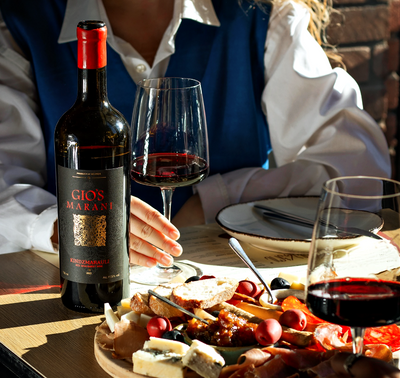
Tsinandali Estate Wines: Tasting Notes and Pairing Ideas

Updated on: 2026-04-24
Tsinandali estate wines represent a classic Georgian approach to viticulture and cellar craft. They are known for clean structure, balanced acidity, and a refined sense of place. Many bottles in this style reflect traditions of careful grape selection and thoughtful aging. For shoppers who appreciate naturally expressive whites and food-friendly reds, these wines offer a reliable entry point into Georgian wine culture.
1. What are Tsinandali estate wines?
5. Tips for choosing and enjoying
What are Tsinandali estate wines?
Tsinandali estate wines are Georgian wines associated with the Tsinandali area and estate winemaking traditions. They are often discussed in the context of elegant white wine styles, though the concept of “estate wine” is also used to describe a more deliberate, vineyard-led approach to red and white production. The central idea is consistency: grapes are selected with care, fermentation choices are controlled, and aging is used to shape texture and aroma.
Many wine enthusiasts connect this name with a refined expression that balances fruit clarity and savory detail. When you explore Georgian bottles from estate traditions, you often notice a focus on structure rather than excessive sweetness. The result is a wine profile that pairs well with fresh herbs, grilled meats, and light to medium dishes.
In a broader Georgian context, you may also encounter styles where wines are naturally fermented in amphora and later refined for balance. That approach can add depth and texture, and it often complements the estate philosophy of site-driven character.
Why the place matters
Wine quality begins in the vineyard, and Tsinandali is part of a reputation built on climate, soils, and long-established growing practices. The region is valued for producing grapes that carry both aromatics and acidity. That combination supports freshness in white wines and reliable food pairing in everyday serving settings.
Estate-focused production typically emphasizes consistent vineyard lots, careful harvesting, and a measured approach to cellar work. Instead of chasing fashion, winemakers prioritize clarity. This is why estate wines are often easier to integrate into a varied meal plan: they can handle herbs, spices, and moderate heat without dominating the table.

Map lines, grape bunch silhouette, soil texture layers
How they are made
The production pathway for Tsinandali estate wines depends on the specific style, yet the principles tend to be consistent. Grape selection comes first, followed by gentle handling to preserve aromatic compounds. Fermentation and aging choices then determine the final character.
In Georgian winemaking, you may see different fermentation approaches across the country. Some wines are naturally fermented in amphora, which can support complex aromas and a tactile, structured palate. Others rely on modern or traditional vessels to control temperature and protect freshness. In both cases, the goal is similar: create a wine that feels balanced, expressive, and stable.
Because all products from this selection come from country Georgia, you can also expect a coherent set of regional influences across your tasting journey. Even when styles differ, the underlying approach to grapes, harvest timing, and cellar decisions often aligns with a shared wine culture.
Step-by-Step Guide
This guide helps you choose, store, serve, and enjoy Tsinandali estate wines with confidence. It is written for shoppers who want practical steps rather than vague advice.
-
Identify the style you want to start with. If you prefer crisp and aromatic profiles, begin with estate whites. If you enjoy deeper structure, explore estate-led red styles that emphasize savory balance and measured extraction.
-
Read the tasting cues on the bottle description. Look for references to acidity, aroma clarity, or aging approach. These clues predict how the wine will behave at the table.
-
Match the wine to a specific meal style. For white estate wines, plan for dishes with herbs, fresh vegetables, and mild to medium spicing. For reds, focus on grilled flavors and sauces with body.
-
Use correct glassware and simple serving temperatures. Serve whites slightly cooler and reds at a comfortable room setting. This keeps aromas clear and improves perceived balance.
-
Plan a short tasting routine. Pour a small amount, observe color, then smell for fruit and floral or savory notes. Finally, taste for acidity, texture, and length.
-
Pair with Georgian-inspired sides and spice levels. Tsinandali estate wines are well-suited to meals where herbs and sauces are present. If you want to enhance flavor, use Georgian pantry items such as spice blends and condiments.
-
Consider complementary products from your cart. If you enjoy meal-building, explore selections such as green tkemali-style sauce or spice seasonings that echo the region’s flavor logic. This often improves the overall dining experience.
For red-focused Georgian tastings, it can also help to compare estate-led character with other Saperavi-based bottles. For example, you can pair a table red experience with Saperavi 2023 dry red to understand differences in fruit intensity and texture across producers.

Glasses in a row, herb sprigs, gentle heat icons
Tips for choosing and enjoying
Even a strong product choice benefits from good handling. Use the following tips to get the most from Tsinandali estate wines.
- Start with one bottle, then build. Choose a style that matches your usual palate. After the first pour, refine your selection based on acidity and texture preferences.
- Seek balance over extremes. Estate wines usually aim for harmony. If you prefer wines that feel structured rather than overly bold, prioritize descriptions that emphasize balance.
- Pair for contrast, not competition. Fresh acidity in white wines complements rich dishes. For reds, use food textures that match the wine’s body, such as grilled meats and hearty stews.
- Enhance flavor with Georgian pantry staples. If your meal includes spice or tang, pairing becomes easier. Consider Borsch seasoning for savory depth, or a herb-forward condiment approach for a brighter table.
- Use a simple tasting scorecard. Rate aroma clarity, acidity, texture, and finish. This improves repeat purchases because you learn your taste pattern quickly.
- Store with consistency. Keep bottles in a stable, cool location. Avoid frequent temperature swings. Consistency protects aroma integrity.
- Try one comparison pairing. If you enjoy sweeter or more aromatic profiles, compare your estate selection with a medium-sweet option such as Khvanchkara medium sweet. This can help you recognize how sweetness perception changes food pairing.
FAQs
Are Tsinandali estate wines always white?
No. The name is commonly associated with estate-led white wine styles, yet the concept of estate winemaking can also apply to other grape types and cellar approaches. When shopping, focus on the bottle style and tasting description rather than assuming a single color.
What does naturally fermented in amphora mean in Georgian winemaking?
It refers to fermentation that occurs using naturally present yeast and traditional vessel methods, typically in amphora. This approach can influence aroma complexity and texture. The exact results vary by producer, grape, and aging decisions.
How should I store Tsinandali estate wines before serving?
Store bottles upright or according to the bottle instructions, in a cool and stable environment. Avoid heat, direct sunlight, and frequent temperature changes. Stable storage helps the wine remain aromatic and balanced when opened.
What foods pair best with estate wines from Georgia?
Many estate wines from country Georgia pair well with herb-forward dishes, grilled meats, and meals with moderate acidity. If your menu includes spicy elements, choose wines with clear structure so the pairing remains balanced. For practical support, you can build a meal using regionally inspired seasonings and sauces.
Wrap-up & Final Thoughts
Tsinandali estate wines offer a refined way to experience Georgian character through vineyard-led decisions and careful cellar work. If you want reliable quality without guesswork, begin by selecting the style that matches your preferred texture and acidity. Then pair thoughtfully, using Georgian meal logic such as herbs, tang, and savory depth.
As you shop, treat each bottle as a learning step. Compare aroma and finish from one purchase to the next, and your next selection becomes easier. When you build your cart with compatible Georgian seasonings and sauces, your dining experience becomes more coherent and more enjoyable.
To explore Georgian wine and pairing options, consider browsing within TAMADA and selecting complementary bottles and pantry items from the same country origin focus.
About the Author
TAMADA is an e-commerce brand focused on curating Georgian food and wine experiences for shoppers who value authenticity and practical pairing. This blog article was prepared with expertise in wine education, flavor matching, and customer-focused product storytelling. Thank you for reading, and enjoy building your next Georgian tasting plan with confidence.