Svanetian Salt: Flavour Boosting Guide for Every Dish

Updated on: 2026-05-23
Learn how Svanetian salt shapes authentic Georgian flavor, especially when paired with hearty regional dishes and warm table culture. This guide explains what makes this salt distinctive, how to use it with confidence, and where it fits across wine and spice pairings. You will also find practical cooking steps for everyday menus, from finishing salads to seasoning grilled meats. Finally, the article includes answers to common questions and a clear next-step checklist.
Table of Contents
Introduction
Svanetian salt is a celebrated Georgian pantry staple known for its bold seasoning profile and its ability to lift simple ingredients into a balanced, aromatic finish. It is rooted in the culinary traditions of the Svaneti region, where seasonings are valued for their depth, consistency, and versatility at the table. Many cooks reach for it when they want a savory result that feels both rustic and refined.
In Georgian cooking, seasoning is not an afterthought. It is part of the rhythm of a supra, where food, wine, and conversation build together. Svanetian salt fits that spirit because it can work as a finishing touch, a cooking boost, or a bridge between fresh ingredients and richer preparations. When you understand how it behaves, you can create meals that feel more intentional and more expressive.
To bring the flavour story full circle, this guide also connects seasoning choices with wine and pairing logic across Georgia’s major regions. Expect practical steps, pairing ideas, and technique notes that support restaurants, sommeliers, and home cooks alike.
Practical Guide: How to Use Svanetian Salt
1) Start with portion control, then adjust
Svanetian salt is often more aromatic than standard table salt. Because it may include dried herbs, spices, and garlic notes, it can deliver strong flavor even in small amounts. Begin with a light pinch, taste, and refine. This approach prevents over-seasoning and keeps the salt’s character clean rather than harsh.
For recipes that also include sauces or marinades, add Svanetian salt after you evaluate the baseline flavour. That method helps you preserve the intended balance between saltiness, warmth, and herb-driven aroma.
2) Use it as a finishing flavor for freshness
One reliable technique is to finish dishes with Svanetian salt just before serving. This timing helps keep the aromatic elements more vivid. It is especially effective for salads, roasted vegetables, grilled corn, and warm bread platters. The result is a fragrance-forward top note that feels freshly seasoned.
If you are building a supra-style spread, finishing with Svanetian salt can unify diverse dishes. People can taste a consistent seasoning signature across multiple plates without the entire menu becoming one-dimensional.

Herb-flecked seasoning falling over a cutting board
3) Match the salt to cooking methods
Different cooking methods change how seasoning reads on the palate. Use the salt differently depending on heat exposure and moisture level.
- High-heat grilling and roasting: Add seasoning early, but keep the salt amount modest. The heat will broaden savory notes.
- Quick sautéing: Add near the end to protect herb aromatics.
- Simmered sauces and braises: Add gradually and taste frequently to avoid overpowering garlic and spice tones.
- Vegetable-forward dishes: Use it as a finishing touch to keep flavours bright.
4) Build seasoning layers in sauces and marinades
When you use Svanetian salt in marinades, think in layers. First, season for salt and depth. Then, add aromatics. Finally, let acidity and fat round everything out. This is especially important when you cook meats, mushrooms, or legumes because the salt can help them taste complete rather than flat.
As a practical example, you can combine a gentle oil base with a drizzle of dressing and then finish with a measured amount of Svanetian salt. The aromatics will cling to oil-coated surfaces and distribute evenly across bites.
Product inspiration: a dressing-friendly approach
Pairing a seasoning with a texture is one of the fastest ways to build consistent results. Consider this olive oil and sunflower oil dressing route for salads, roasted vegetables, and bread dips.
Kakhetian Sunflower Dressing Oil 250ml
You can use the dressing oil as the foundation, then add a restrained amount of Svanetian salt at the end for a perfume-like top note. This approach supports balance and lets the seasoning express itself without drowning the dish.
Shop Svanetian salt to explore a classic seasoning profile designed for Georgian cooking.
5) Apply it to high-impact recipe types
Because Svanetian salt is versatile, it can serve as a shortcut for several Georgian and Georgian-inspired formats. Consider the following use cases.
- Spiced meat finishing: Dust grilled chicken, pork, or beef with a light layer. Keep the rest of the seasoning simple.
- Hot vegetable bowls: Add after roasting to keep aromatics distinct.
- Khinkali-style comfort: Use a small amount in dipping logic alongside peppery notes and warm sauces.
- Soup brightness: Stir lightly near the end, then taste. Avoid adding too much early if the soup reduces.
- Cheese and bread plates: Add sparingly to cut through richness.
If you prepare dumpling-style dishes or enjoy seasoning blends, you may also appreciate adjacent options such as khinkali seasoning for complementary warmth.
6) Connect seasoning choices with wine regions
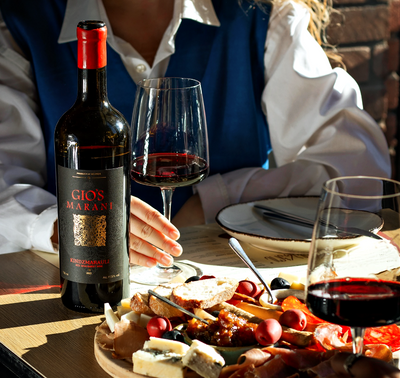
Georgian cuisine is often paired with wines that balance acidity, tannin, and aromatic lift. While salt affects perception, well-chosen wine structure can make Svanetian salt taste more refined rather than sharper.
For example, if you serve a peppery, herb-forward dish, consider a wine with fresh fruit and controlled tannins. If the dish is roasted and smoky, choose a red that supports savory complexity. If the meal includes sour elements like pickles or vinegary sauces, select wines that handle acidity gracefully.
To align your menu with regional logic, remember this rule: salt brings out aroma; wine should then carry that aroma without competing. That mindset improves pairing confidence at home and in professional service.
For Georgian red pairings that often work well with spiced savory plates, explore options such as Saperavi. For sweet and savoury contrast, a carefully chosen late-harvest style can also play nicely, but it should remain balanced with the salt’s intensity.

Wine glass, herb sprigs, and steaming bowl on slate
Key Advantages
- Concentrated flavor with controlled use: Small servings deliver noticeable aromatic depth.
- Improved dish clarity: The herb and garlic character can sharpen the perception of other ingredients.
- Cross-recipe versatility: It functions across salads, grilled plates, soups, and bread-based spreads.
- Supports supra-style variety: It can unify multiple dishes without requiring one single main sauce.
- Enhanced pairing potential: With the right wine structure, it can create savory harmony rather than loud contrast.
These advantages become more visible when you use a simple tasting method. Season lightly, taste after heat exposure, and adjust only once you understand how the salt evolves in your specific cooking environment.
If you want to diversify your Georgian pantry beyond salt, consider complementary components. For example, you may add a gentle sweetness element through preserves, or add heat through pepper-based condiments. Those expansions help you build a more complete flavor map for your table.
As you refine your seasoning toolkit, it can be helpful to pair recipes with known sauces and spices. For a bold regional heat profile, you may explore adjika sauce to complement herb-forward seasoning in sauces and marinades.
Summary & Next Steps
Svanetian salt offers a practical way to deepen Georgian-style flavour with aromatic herbs, garlic notes, and a confident savory finish. The most reliable method is to use it with portion control, finish key dishes at the end for aroma, and adapt seasoning timing to your cooking method. When you plan your table around supra-style variety, this salt becomes a unifying seasoning signature that still allows each dish to remain distinct.
Next steps:
- Choose one dish type to perfect first, such as roasted vegetables or grilled meats.
- Season lightly, taste, and adjust after heat exposure.
- Pair the meal with a Georgian wine that supports savory aromatics, such as a Saperavi-based red.
- Expand gradually with complementary Georgian condiments if you want additional spice structure.
When you are ready to build your seasonings, you can start with Svanetian salt and then build outward using curated Georgian staples from TAMADA.
Q&A Section
How is Svanetian salt different from regular salt?
Svanetian salt is designed to provide saltiness plus an aromatic profile, often including dried herb and garlic-driven notes. This means it does more than season for salinity; it also adds fragrance and savory depth. Because of that, it typically requires less quantity than standard salt.
When should Svanetian salt be added during cooking?
For the best aromatic clarity, add it near the end for dishes that benefit from fresh fragrance, such as roasted vegetables, salads, or warm bread plates. For grilled or sautéed items, you may add it earlier in a modest amount, then finish with a light touch. For simmered sauces, add gradually and taste, since reduction can concentrate flavor.
Which wine styles pair well with Svanetian salt seasonings?
Because salt enhances perceived aroma, wines that balance acidity and savory structure generally perform well. Dry reds with moderate tannin and fresh fruit can complement herb and garlic notes, while wines with lifted aromatics can reduce the feeling of sharpness. If your dish includes strong spice heat, consider a wine that is not overly astringent, and serve at an appropriate temperature for clarity.
Can Svanetian salt be used in non-Georgian recipes?
Yes. The seasoning works as a flavor enhancer in many cuisines because it functions like an herb-and-garlic salt blend. Use it on roasted potatoes, grilled vegetables, soups, and finishing bowls where you want a savory aromatic top note. The key is restraint: start with a smaller amount than you would use with plain salt.
About the Author
TAMADA is an Australia-based specialist in Georgian wines, serving wine lovers, foodies, sommeliers, and restaurant teams. The team focuses on regional wine maps, grape-led education, and practical pairing guidance for Georgian-inspired menus. This author profile reflects a service-first approach that connects spices, sauces, and wine structure into a coherent dining experience. Thank you for reading, and enjoy building your next table with intention.