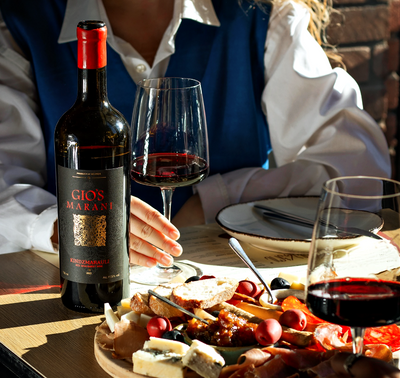
Tamada Wine Collection: Styles, Tasting Notes, Pairings

Updated on: 2026-05-29
The Tamada wine collection brings together curated Georgian wines with a focus on balance, regional identity, and food-friendly style. In this guide, you will learn how to evaluate bottles by grape, sweetness level, aroma profile, and aging approach. You will also discover common buying mistakes, practical pairing ideas for supra culture, and a simple framework for building a coherent tasting lineup. By the end, you will be prepared to select wines that match your palate and your table, with confidence and clarity.
Table of Contents
Why the Tamada wine collection is a smart way to explore Georgian wine
If you enjoy discovering wine regions through taste rather than marketing, a curated lineup can save time and reduce guesswork. The Tamada wine collection is designed for people who want structure: clear choices, thoughtful pairings, and a reliable path into Georgian viticulture. You will learn how to interpret a label like a sommelier would, how to connect wines to Georgian grape varieties and growing areas, and how to build a tasting experience that feels coherent at home or in a restaurant setting.
Georgian wine is not only about tradition. It is also about distinct flavor signatures shaped by site, grape, and technique. When you approach the bottle with a simple framework, you can move from “What should I buy?” to “What will this taste like at my table?” That is the value of a collection.
Common Mistakes to Avoid
Buying only by price or rating. Georgian wines can vary widely in sweetness, acidity, and aromatic intensity. A low-cost bottle can be compelling, and a premium bottle can be perfectly matched to a meal. The issue is skipping the tasting logic. Look at the style first, then align it with your palate.
Ignoring sweetness and acidity. Semi-sweet and dry wines behave very differently with food. If you select a sweeter bottle for a meal that already carries fruit, herbs, and heat, the wine may feel cloying. If you choose an overly dry style for a dish with rich sweetness, the wine may taste sharper than intended.
Overlooking grape variety. In Georgian wine, grape variety is a primary signal for aroma and structure. Saperavi often brings deep color and layered fruit, while certain aromatic varieties can shift the conversation toward florals, stone fruit, or spice. When you know the grape, you can anticipate the direction of the tasting flight.
Pairing without understanding supra culture. Supra is not just dinner. It is a sequence of dishes, herbs, sauces, breads, and shared rituals. Georgian wine is often selected to hold up across that variety. If you pair the first course perfectly but ignore the next three dishes, the experience becomes fragmented.
Chasing one style only. If your collection contains only one sweetness level or only one aromatic profile, the tasting becomes predictable. A stronger approach is to include diversity: a dry red for structure, a semi-sweet or gently sweet option for aromatic harmony, and an additional style that refreshes between bites.
To illustrate this, consider how a wine map connects regions to flavor cues. When you treat the table like a sequence, you can “read” the meal the way a wine professional would.
Pros & Cons Analysis
Pros
- Curated coherence. A collection approach encourages harmony between styles rather than random selection.
- Better food pairing. Georgian wines typically align well with herbs, spices, grilled meats, and preserved condiments.
- Clearer learning curve. You can compare bottles across grape varieties, sweetness levels, and regional signatures.
- Restaurant-ready versatility. The lineup concept works for both private tastings and hospitality menus that need dependable pairings.
Cons
- Limited exploration within one purchase. A curated set can reduce the chance of unexpected discoveries outside the selected styles.
- Mismatch risk if preferences are narrow. If you strongly prefer one sweetness level, you may need additional guidance beyond the collection.
- Perception bias toward “collection logic.” Some drinkers may assume all bottles taste similar. In practice, Georgian wine styles can remain distinct even within a curated brand universe.
A practical example of a semi-sweet choice
For diners who enjoy a softer finish, a semi-sweet Georgian wine can add roundness to the table. It can also enhance the perception of fruit in dishes such as roasted poultry, vegetable-based sides, or meals where herbs and spices create layered flavors.
To ground the concept, here is an example you may consider for your next tasting flight.

When you taste a semi-sweet option, focus on three sensory checkpoints: the first aroma impression, the balance between fruit and acidity, and the finish length. If the finish feels smooth and clean, the wine is likely to pair well across a multi-dish table.

That “three checkpoint” method mirrors how many wine professionals structure tastings: aroma, palate balance, and finish behavior.
Quick Tips
- Start with your food plan. Choose the meal first, then align the wine style. For example, plan for herbs and sauces, not only the main protein.
- Build a three-bottle rhythm. Select one dry red for structure, one complementary style with aromatic lift or gentle sweetness, and one additional bottle that resets the palate.
- Use grape as your forecast. If you see Saperavi, expect darker fruit and a more structured profile. Use that expectation to guide what you order alongside it.
- Think in flavor pairs, not exact matches. Georgian wine often works through harmony: fruit echoes fruit, herbs echo freshness, and acidity echoes tangy sauces.
- Map your heat level. If your menu uses chili, choose a wine that can stand up to the intensity without becoming harsh.
- Prefer variety within the same tasting theme. A collection is at its best when bottles differ enough to create comparison while remaining aligned to your dining style.
- Consider simple condiment support. If you serve dips, preserves, or savory spreads, select wines that can “meet” those flavors rather than fight them.
If you want to extend the meal beyond wine, consider pairing concepts from the Georgian pantry. For example, you can explore Georgian mineral water for a clean reset, or add seasoning elements that echo the wine’s aromatic world.
- Naturally carbonated mineral water
- Borscht seasoning for deeper savory notes
- Georgian mustard for sharper pairing balance
- Cornelian cherry jam for a fruit-forward bridge
For those building a tasting itinerary around Georgian red grapes, you can also consider exploring specific bottle styles that connect to Saperavi-driven profiles.
Wrap-Up & Key Insights
The Tamada wine collection offers a structured way to explore Georgian wine through regional identity, grape-driven expectations, and food pairing suitability. By avoiding common mistakes like overlooking sweetness and acidity, and by using a practical tasting framework, you can build a lineup that feels intentional rather than accidental. Use the quick tips to plan your meal sequence and choose wines that support herbs, sauces, and the evolving flavors of supra-style dining. If you want a confident next step, select one style you know you enjoy, then add one bottle that expands the spectrum in a controlled way.
When you are ready to browse, start by reviewing the current selection on the Tamada site and compare styles by grape and sweetness, not only by label appeal.
Explore Georgian wine on TAMADA
Q&A Section
What does “collection” mean for wine shopping?
A wine collection approach focuses on coherence. Instead of purchasing unrelated bottles, you choose wines that complement each other by sweetness level, aroma intensity, and dining versatility. For Georgian wine, this often means selecting styles that work with herbs, sauces, and multi-course meals.
How should I choose between dry and semi-sweet Georgian wine?
Choose based on your meal structure. Dry wines typically bring clarity and crispness with savory and herb-forward dishes. Semi-sweet wines add softness and fruit roundness, which can work well when the table includes tangy elements, roasted meats, or dishes where fruit notes and spices create a balanced profile.
Which Georgian pairings work best for a supra-style table?
Focus on harmony across the spread. Wines often perform well when they can meet the flavor movement created by herbs, grilled or roasted meats, and condiments. If your menu includes heat, preserved flavors, and tangy sauces, prioritize wines with enough structure and balance to avoid clashing or becoming overly sharp.
About the Author
TAMADA
Expertise in Georgian wine selection, Qvevri-inspired traditions, and restaurant-style pairing guidance. TAMADA helps wine lovers and hospitality teams navigate grape varieties, regional character, and food match strategy with clear, practical recommendations. The goal is simple: make discovery feel confident. Thank you for reading and tasting with intention.