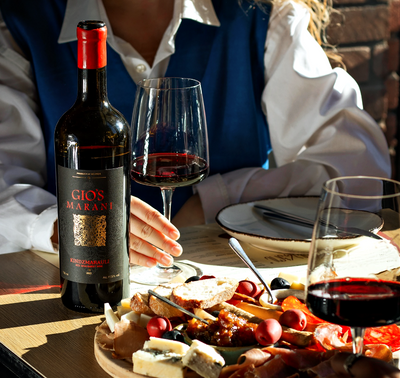

Saperavi Wine Tasting Guide: Notes and Perfect Pairings
|
|
Time to read 5 min
|
|
Time to read 5 min
Updated on: 2026-05-28
Discover what makes saperavi a defining choice among Georgian red wines. This guide explains typical sensory traits, how it differs from other Georgian styles, and what to expect from dry and aged bottles. You will also find a practical buying checklist and pairing ideas grounded in supra culture. Use it to select a bottle that matches your palate and your table.
saperavi is one of Georgia’s most influential red grape varieties, valued for deep colour, bold fruit, and a character that often feels both rustic and refined. In Georgian wine culture, it is not merely a grape. It is a sensory story that connects vineyard sites, traditional winemaking choices, and the welcoming rhythm of a supra. If you are learning the grape map of the Caucasus, you quickly notice a pattern: saperavi frequently anchors tables with its confident structure and layered palate.
This article is designed for wine lovers who want clarity without guesswork. You will learn how to recognize saperavi by style cues, how to choose between dry expressions and richer interpretations, and how to pair it responsibly with food. The goal is simple. You should be able to select a bottle that performs at the table, not only on a review page.
Many buyers approach saperavi with expectations shaped by labels they have seen elsewhere. Georgia’s red wines can be expressive, and that is exactly why accurate selection matters.
Assuming all saperavi tastes the same. Styles vary by vinification, vineyard selection, and aging decisions.
Choosing based only on colour. Deep ruby can appear in multiple Georgian reds, but structure and aromatics define the experience.
Ignoring dryness level. A dry saperavi reads differently on the palate than sweeter interpretations.
Overlooking food fit. This grape can support spice, smoke, and roasted meats, yet it may feel heavy with overly delicate dishes.
Skipping vintage context. While many bottles can be enjoyed early, many saperavi expressions develop more integration with time.
Use the following checklist to select saperavi with confidence. Treat it as a palate plan. Your ideal bottle will match both your tasting preferences and your planned table.
Confirm style: Look for indications that the wine is dry and review the tasting profile on the product page.
Assess aromatics: Expect red and dark fruit, often with hints of plum, berry skins, and subtle earthy notes.
Evaluate structure: Check descriptors related to tannin and body. Saperavi commonly offers a firm backbone.
Look for balance cues: A good bottle shows fruit clarity without sacrificing acidity or texture.
Consider aging intent: If the bottle is made for early enjoyment, seek straightforward fruit and accessible tannin.
Pair with the right table: Plan for grilled meats, mushroom dishes, and hearty stews that can handle depth.
Match to the menu rhythm: For supra-style spreads, choose a bottle that can move between courses.
If you want a structured Georgian red experience, you can also explore a well-known saperavi anchor from our catalogue. Consider Papari Valley saperavi for a reliable starting point when you are building your Georgian rotation.
Map-style icons for fruit, spice, and tannin
Pairing matters as much as selection. A saperavi bottle often shines when the food carries flavour intensity. Think in terms of texture and aromatics rather than only ingredients. When your meal includes roasted or charred elements, the wine’s darker fruit and savoury notes can harmonize.
For spice-friendly tables, Georgian condiments and small dishes can become your best guide. Try adding khinkali seasoning to enrich sauces and meat fillings, or use a complementary condiment to build depth. If your table includes more herbal elements, consider a pairing that keeps the wine’s fruit in focus while letting aromatics remain distinct.
Below are targeted answers to common questions about buying and enjoying saperavi.
Saperavi is often described as robust and structured, but the perceived body depends on dryness level, ageing, and extraction style. Some dry saperavi expressions feel lighter in the first sip because the tannin is smoother, while others feel heavier due to density and concentration.
Saperavi frequently pairs well with grilled meats, lamb, mushrooms, and hearty vegetable dishes. It also works with rich sauces and spice-forward meals, particularly when the food includes roasted or savoury depth.
Serve it at a cool, cellar-like temperature to preserve aromatics and maintain balance. Overly warm serving can amplify alcohol perception and reduce the clarity of fruit. A calm serving temperature helps the wine show its layered texture.
A well-integrated saperavi usually shows a cohesive arc: fruit presence at the start, savoury and earthy cues in the middle, and a tannin finish that feels structured rather than sharp. If you notice persistent harshness, the bottle may benefit from decanting.
saperavi is a grape variety built for conversation. It offers deep colour, vivid fruit, and a structured palate that suits both casual evenings and curated Georgian feasts. When you use a checklist approach, you reduce uncertainty and increase enjoyment. Focus on style cues, dryness level, and the kind of table you plan to host.
To extend your learning, build a small tasting ladder. Start with an approachable saperavi, then move to a bottle with more integration and depth. Pair with Georgian spices, sauces, and hearty mains so the wine is not the only star on the plate. If you want to explore Georgian wine as a lived experience, you can also discover more about wine culture through OesenX.
Disclaimer: Wine enjoyment is subjective. This guidance is based on typical wine styles and pairing principles, not on medical or health claims. Always follow storage and serving instructions on the specific product label.
saperavi often stands out for its pronounced colour and firm structure, with aromatics that can include dark berry, plum, and earthy savoury notes. Other Georgian reds may emphasize lighter fruit, different spice expression, or smoother tannin patterns. The most reliable distinction is how the wine feels across the palate, especially the balance of tannin and fruit clarity.
If the bottle shows tight tannins or a slightly closed aroma, decanting can help. The purpose is to encourage oxygen contact and allow the wine’s aromatics to open. For smoother bottles, decanting may be unnecessary; you can simply let it rest briefly before serving.
Start by aligning your choice with your tasting timeline. If you prefer immediate accessibility, select a bottle positioned for earlier drinking. If you enjoy integration and secondary nuance, choose a bottle that is presented as more age-worthy. On the product page, look for details that suggest style and development intent.
Yes, saperavi can perform well in restaurant service because it pairs with classic menus built around meat, spice, and sauce. Its structure supports hearty dishes without disappearing. For best results, pair it with menu items that match its savoury direction, such as roasted proteins, mushroom preparations, and robust stews.
TAMADA is written by a team focused on Georgian wine education and food pairing guidance. The authors specialise in Georgian wine regions, Qvevri traditions, and the practical art of choosing bottles for supra-style menus. You will find recommendations grounded in sensory language and market-relevant selection principles. Thank you for reading, and enjoy your next pour with confidence.


