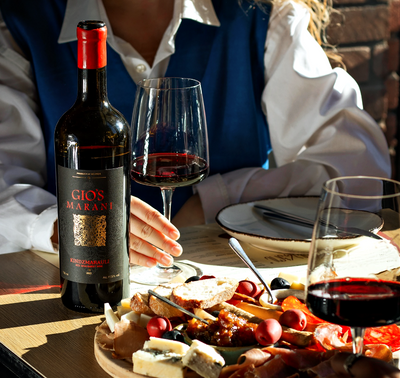
Georgian Wine Tasting Tips for Balanced Flavor

Updated on: 2026-05-27
Georgian wine offers deep color, distinct aromas, and a long history shaped by Qvevri winemaking. It is celebrated for regional character, expressive grape varieties, and versatile food pairings. You can explore dry reds and whites, as well as naturally sweet styles, with confidence in how they fit into a full table. With the right tasting approach and pairing choices, every bottle becomes part of a shared Supra moment.
Georgian wine is among the most distinctive wine traditions in the world. Its character comes from place, grape, and craft, with Qvevri vessels playing a central role in many styles. From the citrus lift of some whites to the structured spice of classic reds, Georgian bottles invite careful tasting rather than quick comparisons. This guide supports buyers, newcomers, and experienced drinkers who want clarity, practical selection criteria, and pairing ideas for memorable meals. If your goal is a richer understanding of wine maps, regions, grape varieties, and Supra culture, this article provides a grounded path forward.
Buyer’s Checklist
- Decide your style first: choose between dry red, dry white, naturally made orange style, or medium sweet styles, depending on your taste.
- Look for regional signals: identify whether a bottle highlights Kakheti, Imereti, Racha-Lechkhumi, or other Georgian wine regions to better predict flavor direction.
- Check grape variety names: Saperavi, Rkatsiteli, Kisi, and others often guide expectations for color, tannin, acidity, and aroma.
- Understand Qvevri context: Qvevri fermentation and aging often produce textured, savory, and sometimes lightly oxidative notes in the glass.
- Plan food pairing: select a wine that can handle herbs, garlic, pepper, and fermented elements common in Georgian cuisine.
- Match sweetness level to the meal: dry wines suit grilled and herby dishes; sweet wines can balance spice, honey notes, or fruit-forward desserts.
- Assess structure: prefer higher tannin and deep color for slow-cooked meats, and choose brighter acidity for vegetable dishes and salads.
The quickest way to improve results is to pair your wine selection with your table. Georgian wine is designed for conversation, not just for sipping.

Steps-by-Step Guide
Use this sequence to select Georgian wine with fewer guesses and better outcomes. Each step focuses on sensory logic: aroma first, then texture, then pairing fit.
- Start with the bottle label details: note the grape variety and whether the wine is described as dry, medium sweet, or naturally made. This step reduces uncertainty.
- Choose a Georgian region direction: if you prefer darker, savory reds, you may lean toward regions associated with robust red grapes. If you like aromatic whites, consider regions often linked with bright, mineral-leaning profiles.
- Clarify your texture preference: Qvevri-influenced wines can feel grainy, rounded, and layered, while some tank or traditional methods can present a more linear style.
-
Taste with a three-part focus:
- First impression: identify fruit, floral notes, and any earthy lift.
- Mid-palate: look for tannin density in reds or richness and grip in whites.
- Finish: confirm length and whether spice, dried herbs, or gentle bitterness appears.
- Select a pairing that mirrors Georgian flavors: aim for complementary seasoning rather than generic “red with meat” logic.
- Build a Supra-style table approach: start with lighter bites, move toward richer mains, and reserve sweet or aromatic bottles for later courses.
Practical pairings for Georgian wine regions and grapes
Georgian cooking often uses herbs, toasted spices, garlic, and fermented notes. This makes wine pairing less about strict categories and more about balance. A structured red can stand up to grilled meats and spice rubs. A crisp white can carry the freshness of salads and herbs. When you use sauces and spice blends intentionally, the wine becomes more coherent.
If you want a proven route for Georgian-style food, consider how regional seasoning works. For example, a bold red such as a Saperavi-driven profile often pairs well with hearty, spiced dishes. If you prefer a drier white expression with citrus and stony tones, it can align with lighter spreads and vegetable plates.
For buyers who also plan a full meal, you may want to explore Georgian spice anchors and table companions from the Australian retailer TAMADA. You can begin with Saperavi dry red options to establish your baseline, then widen your table choices as the menu evolves.

How to choose between dry red, dry white, and sweet styles
Dry Georgian wine is often selected for its clarity of structure. Dry reds can show dark fruit, dried herbs, and a savory backbone. Dry whites may offer citrus, stone fruit, and mineral tension. Medium sweet styles tend to soften the edges of spice and can create a gentle contrast with fruit preserves.
- For dry red: prioritize dishes with char, pepper, and slow-cooked depth. Think of mains that benefit from tannin and a longer finish.
- For dry white: prioritize freshness and aromatic lift. Choose salads, herb-forward sides, and lighter preparations with careful seasoning.
- For medium sweet: consider desserts, fruit-forward bites, or spicy-sweet contrasts where sweetness helps the spice feel smoother.
When you select wine for a Supra table, it is also helpful to consider the “flow” of courses. A sequence that includes one dry structure, one aromatic lift, and one softer finish often produces an intuitive progression. If you want to explore the broader red and food table theme, you can also browse medium sweet Khvanchkara style as a reference point for later-course pairing.
FAQ
What makes Georgian wine different from other wine traditions?
Georgian wine is shaped by its regions, grape variety traditions, and methods that include Qvevri fermentation in many classic styles. This approach often creates distinctive texture, layered aromas, and a savory, earthy dimension that feels at home with herb-rich cuisine. The result is a wine style that commonly reads as more textured and food-friendly than many simplified profiles.
How should I taste Georgian wine to understand it quickly?
Begin by observing aroma intensity and direction. Then assess texture: tannin grip in reds, and richness or mineral tension in whites. Finally, evaluate the finish for spice, dried herbs, or gentle bitterness. This three-part method aligns with how many Georgian wines express character, especially those influenced by Qvevri aging.
Which Georgian wine style pairs best with spicy Georgian dishes?
For spicy dishes, balance is key. Dry reds with firm structure can handle grilled pepper notes and char flavors, while medium sweet styles can soften heat and create harmony with fruit or honey-like elements. If your meal includes bold herbs and fermented accents, select a wine with enough backbone to remain clear, rather than a very light style.
Are Qvevri wines suitable for first-time buyers?
Yes, Qvevri wines can be a rewarding entry point when you select a style that matches your expectations. If you prefer a more familiar sensory profile, start with a dry red or dry white that signals clarity and balance. If you are open to a deeper textured experience, try an orange-leaning or savory profile. Many buyers find that pairing, more than method alone, determines satisfaction.
Closing Thoughts & CTA
Georgian wine rewards curiosity and deliberate selection. By using a structured buyer approach, tasting in three stages, and building pairings that reflect Supra flavors, you can move from uncertainty to confidence. If you are ready to explore with purpose, TAMADA offers a curated path for wine lovers, foodies, sommeliers, and restaurants in Australia who want authentic Georgian bottles and Qvevri insights.
To start your next tasting journey, consider your preferred style and then explore options on the TAMADA site, beginning with Brazil Santos coffee: Flavor profile, roasts, and tips for a reminder of how tasting frameworks improve results, then return to your Georgian wine selections with the same methodical mindset. For additional Georgian-focused pairing support, you can also explore seasoning ideas that help you build coherent flavor intensity across courses.
Disclaimer: Wine experiences vary by individual palate, serving temperature, glassware, and food context. This article provides general guidance for education and selection, not medical advice, and not guarantees of taste outcomes.
About the Author
TAMADA supports wine education and Georgian culinary context through curated sourcing and practical guidance for customers. This article reflects expertise in Georgian wine regions, Qvevri traditions, and food pairing logic designed for real tables. TAMADA focuses on helping shoppers make informed choices for home tastings and hospitality settings. Enjoy your next Supra-inspired pairing with confidence.