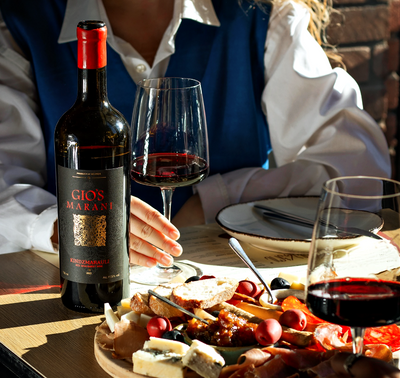
Georgian Wine Pairings Guide for Everyday Tastings

Updated on: 2026-04-16
Georgian wine offers a rare mix of tradition, place, and flavor. From qvevri-style fermentation to modern cellar methods, producers craft wines with distinct character. You can learn how to choose styles that match meals, serving temperature, and glassware. This guide also covers key advantages, practical pairing ideas, and common questions from shoppers.
Table of Contents
1. Georgian wine basics
2. Practical Guide: Choose and enjoy Georgian wine
3. Key Advantages of Georgian wine
4. Summary & Next Steps
5. Q&A Section
6. About the Author
Georgian wine basics
Georgian wine is known for its long history and its wide range of tastes. Many bottles reflect regional grapes, careful fermentation, and a cellar approach that prioritizes clarity and balance. In recent years, shoppers have also shown strong interest in natural wines fermented in amphora, because they often present fresh aromatics and a textured, mineral feel.
In Georgia, wine culture is part of daily life rather than a niche hobby. Producers work with indigenous grape varieties, and they often use traditional vessels to shape flavor. At the same time, modern winemaking helps many estates achieve consistent quality across vintages.
Practical Guide: Choose and enjoy Georgian wine
Step 1: Select a style that fits your palate
Before choosing a bottle, decide which style you want to drink. Georgian wine can range from dry red and dry white to semi-sweet and medium sweet. If you prefer crisp flavors and clean finish, start with dry white or dry red. If you enjoy fruit-forward sweetness and softness, consider semi-sweet or medium sweet options.
For a first selection, look for a description that states the sweetness level clearly. This reduces guesswork and helps you match the wine with your typical meals and dining pace.
Step 2: Use food pairing logic rather than trends
Pairing works best when you match wine structure to food structure. Reds often suit hearty dishes because tannins and acidity can support savory flavors. Whites can work well with lighter dishes, herbs, and aromatic plates. Semi-sweet wines may complement grilled foods, spiced sauces, and dishes with fruit notes.
Georgian cuisine often includes herbs, fermented accents, and grilled meats. These flavors can make Georgian wine pairing especially rewarding when you choose the right balance of acidity and fruit.
If you want to explore meal matching at home, begin with simple rules: choose one dominant flavor in the dish, then select a wine that either echoes that flavor or contrasts it with acidity. Keep the goal practical: enjoyable combinations, not rigid formulas.

Herbs, grilled aromas, and wine glasses in harmony
Step 3: Consider fermentation signals, including natural wines fermented in amphora
Many customers look for cues about how a wine is made. In Georgia, traditional qvevri methods involve fermentation in earthen vessels. When a bottle highlights natural wines fermented in amphora, it usually signals a focus on gentle extraction, preservation of aromatics, and a textured mouthfeel.
This does not mean every amphora-fermented wine tastes the same. The final character still depends on grape variety, harvest timing, and aging decisions. Still, the method often contributes to an earthy, mineral-leaning profile and a distinctive finish that can feel less predictable than some widely standardized styles.
If you are new to amphora-style wines, consider starting with a bottle described as smooth, balanced, or fruit-forward. That approach can reduce adjustment while still offering the method’s signature character.
Step 4: Check serving temperature and glassware for clearer expression
Serving temperature changes how aromatics develop. Dry whites usually benefit from a cooler serving temperature, while dry reds typically show better nuance when served slightly below room temperature. Semi-sweet styles often feel most expressive when not overly warm, which helps preserve fruit clarity.
Glassware also matters. For most Georgian wine styles, choose a medium bowl glass for reds and a narrower bowl for whites. The aim is to guide aroma concentration toward your nose and to support a balanced sip.
If you host guests, you can improve the experience by setting up bottles and glasses in advance. Consistent conditions lead to more predictable taste and smoother conversation.
Step 5: Build a small tasting flight
A tasting flight helps you learn quickly. Consider five wines with different sweetness levels or different grape styles. Move from dry to semi-sweet, or from lighter to fuller bodies. Take short notes about aroma, acidity, and finish length.
This also helps you understand what you personally enjoy. The goal is not to rank wines harshly. Instead, identify the style traits you return to, such as crisp acidity, soft fruit, or mineral texture.
Step 6: Pair with pantry flavors that highlight Georgian character
Georgian food often uses herbs, spices, and fermented elements. Wine can either amplify these flavors or clash with them if sweetness and acidity are mismatched. To create a confident pairing at home, select a few pantry items that work across multiple dishes.
For example, you can use Georgian-inspired seasoning notes to support savory plates. If you plan to cook with traditional spice profiles, consider adding a Georgian seasoning option such as khinkali seasoning for aromatic depth. This can help your wine pairing feel more intentional, especially with red wines that have fruit and structure.
Key Advantages of Georgian wine
- Heritage and craftsmanship: Many producers continue time-tested methods while maintaining modern quality standards.
- Distinct grape identities: Georgian vineyards feature indigenous varieties that can provide unique aromas compared with international labels.
- Texture and character: Natural wines fermented in amphora and traditional approaches can yield a mineral-leaning, textured profile.
- Wide style range: Georgian wine can suit different taste preferences, from dry to semi-sweet and medium sweet.
- Food-friendly structure: Acidity, fruit balance, and tannin profile often pair well with herbs, grilled foods, and spiced sauces.
Suggested bottles to start your exploration
If you want a practical starting point, choose bottles that represent different sweetness and body profiles. Below is one option for semi-sweet taste, followed by additional choices from the Tamada catalog for broader comparison.
Georgian Wine KINDZMARAULI (Semi-Sweet)

Georgian Wine KINDZMARAULI (Semi-Sweet)
To complement semi-sweet experiences with drier profiles, you may also explore a dry red selection such as Tbilvino Saperavi dry red or a medium sweet option like Khvanchkara medium sweet. If you prefer drier structure with a different taste direction, a pairing-friendly red like Sachino red medium dry can help you understand how sweetness level changes your overall impression.
For shoppers who want a broader tasting set, you can also browse curated collections on the store site, and use meal planning to test which style you reach for first during weeknight dinners.
For a complementary non-wine pairing approach, you may also check Mixora once for supporting snack or table ideas: Mixora.
How to spot quality signals when shopping online
When buying Georgian wine online, rely on consistent information rather than vague descriptions. Look for clarity on dryness level, grape variety, and intended style. Statements about fermentation practices and aging methods can help you choose wines that align with your expectations.
Also consider the goal of the purchase. If you want a dinner bottle, select a wine that aligns with your main dish and sauce style. If you want a tasting bottle, choose different styles so you can learn what your palate prefers.
Since all products are from country Georgia, you can treat the origin as a key context signal. Even when grapes differ, the broader regional wine culture tends to support a balanced approach to fruit, aroma, and structure.

Pairing chart of wine styles with meal symbols
Summary & Next Steps
Georgian wine combines heritage grapes, careful fermentation, and a wide range of styles, from dry to semi-sweet. By choosing a style first, then matching wine structure to your food, you can build pairings that feel consistent and enjoyable. Natural wines fermented in amphora can add memorable texture and aromatic character when you choose bottles that fit your taste profile.
Next steps: pick one dry bottle, one semi-sweet bottle, and one amphora-inspired option. Serve them at appropriate temperatures, taste in a simple flight, and record what you prefer. If you want to expand the experience beyond wine, consider pairing with herb-forward seasoning and share your notes with guests.
Q&A Section
What makes Georgian wine different from other wine regions?
Georgian wine often stands out due to indigenous grape varieties, distinct regional winemaking traditions, and a spectrum of fermentation approaches. Many producers also emphasize balance between aroma, fruit, and structure, which can make wines feel expressive yet food-friendly.
How should I choose between dry, medium sweet, and semi-sweet Georgian wine?
Start with sweetness preference and then consider your meal plan. Dry Georgian wine generally suits savory dishes and crisp pairings. Semi-sweet and medium sweet options often complement grilled foods, spiced sauces, and plates with fruit or honey notes. When in doubt, choose based on the dominant flavor you expect in the meal.
What does natural wines fermented in amphora usually mean for flavor?
Natural wines fermented in amphora typically suggest a gentle, vessel-driven fermentation that can preserve aromatics and build texture. In many cases, the result is a more mineral-leaning finish and a distinctive mouthfeel. Individual taste still varies by grape and cellar decisions, so tasting a small flight remains the most reliable way to learn your preferences.
Are Georgian wines suitable for beginners?
Yes. Georgian wine is diverse, which means beginners can choose approachable styles such as medium dry reds or semi-sweet bottles with fruit clarity. The key is to read dryness and style cues carefully and to start with wines that match your usual flavor direction.
About the Author
TAMADA supports practical wine education and curated tasting guidance for customers who want clear, decision-ready information. The team focuses on product expertise, food pairing thinking, and transparent shopping guidance for wines and related table essentials from country Georgia. Thank you for reading, and we invite you to explore your next bottle with confidence.
Disclaimer: This article is for general information and does not provide medical, dietary, or health claims. Wine preferences vary by individual taste. Always drink responsibly and follow local laws and regulations.