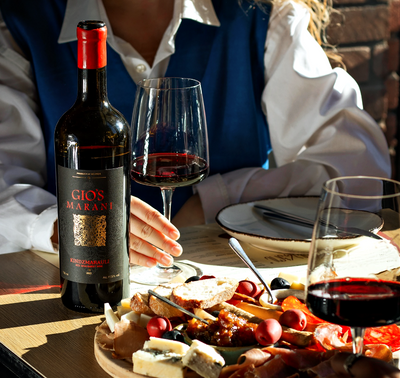
Saperavi Wine Tasting Notes and Food Pairing Tips

Updated on: 2026-04-17
Table of Contents
Saperavi is one of the most recognizable grape varieties from Georgia. It produces wines with deep color and a savory, structured profile. Many producers emphasize traditional methods, including natural fermentation in amphora, to preserve fruit clarity and texture. If you want a red wine that feels both classic and food-friendly, saperavi is a strong choice. This guide explains what to look for, how to select a bottle, and how to enjoy it with the right dishes.
Buyer’s Checklist
Use this checklist to buy with confidence, especially when you are choosing among different vintages, sweetness levels, and production styles.
- Confirm the grape and style: Look for the label that clearly states saperavi. Some listings may describe it as a dry red, a fuller-bodied red, or a naturally fermented wine.
- Check the fermentation approach: Wines fermented in amphora often show a more integrated texture and distinct aromatics. If the listing mentions natural fermentation in amphora, it can be a helpful signal.
- Evaluate the sweetness level: Saperavi is commonly a dry wine, but regional expressions can vary. Choose dry when you prefer crisp structure, and choose sweet only if you want a richer finish.
- Match the food pairing: If you plan to serve it with grilled meats, mushrooms, or hearty stews, select a saperavi that emphasizes depth and tannin balance. For lighter dishes, prioritize a smoother, fruit-forward expression.
- Consider freshness cues: In general, look for a bottle that describes bright fruit, clean acidity, and a composed finish. Overly oxidized or sharply medicinal impressions are not ideal.
- Plan serving temperature: Serve red wines slightly cool rather than warm. This approach typically highlights fruit and keeps acidity crisp.
For a practical starting point, you can also build a simple Georgian tasting table. Consider pairing your wine with a complementary seasoning or dish foundation from the same culinary region. For example, explore a Georgian red pairing concept by adding a seasoning base such as khinkali seasoning to guide your menu.

Map-style visuals for grape, region, and flavor notes
Step-by-Step Guide
This step-by-step guide helps you select, serve, and enjoy saperavi in a way that matches your preferences. The process is designed to be practical and repeatable.
-
Choose your target profile: Decide what you want most: bold fruit, savory depth, or a smoother texture. Saperavi typically offers dark fruit and a structured palate, but individual producers can lean differently.
-
Identify the production signals: If the bottle description mentions natural fermentation in amphora, you are likely selecting a wine designed for texture and aromatic complexity. This does not replace your taste preferences, but it can support your expectations.
-
Select a pairing plan: Think about flavors you already enjoy. Saperavi often complements rich, spiced foods. If you like tangy, pepper-forward profiles, build your plate around Georgian condiments. For instance, consider tkemali classic green for a tart, herb-driven contrast.
-
Use a simple tasting method: Pour a small amount. Observe color intensity, then smell for dark fruit, dried herb impressions, and gentle spice. Taste for balance: fruit sweetness perception, acidity, tannin feel, and finish length.
-
Adjust glassware and aeration: Use a standard red wine glass. If the wine feels tight, allow it a short period of aeration in the glass. Do not overdo it; the goal is to open aromatics without losing clarity.
-
Pair with a flavor anchor: Choose one dish element to anchor the pairing. For Georgian-style tables, herbs, garlic, and tomato-based seasonings often work well. You can also add a spice framework using borsch seasoning as a shortcut for a hearty, earthy profile.
-
Serve at a controlled temperature: Keep the bottle away from direct heat. Slightly cool serving often improves balance and makes the wine feel less heavy.
-
Evaluate after the first round: Taste again after 20 to 30 minutes. Many amphora-style wines change in a positive direction as aromatics settle and tannins integrate.
If you want to explore different expressions while staying within a coherent theme, consider selecting from Georgian products that share the same origin storytelling. Many buyers prefer a curated approach. You can start with a dry Georgian saperavi bottle and then add one or two food items that mirror Georgian flavor patterns.

Serving timeline with aroma, taste, and finish icons
FAQ
What does saperavi taste like?
Saperavi commonly presents dark fruit character, such as black cherry or plum impressions, combined with savory notes. Depending on the producer, you may also notice herbal or lightly spiced accents. The palate typically feels structured, with noticeable depth and a lasting finish.
Is saperavi always fermented in amphora?
No. Saperavi is a grape variety, and fermentation methods vary by producer. Some producers choose amphora, including natural fermentation in amphora, to support texture and aromatic complexity. Other producers may use different vessels or techniques. Always check the wine description for the fermentation approach.
How should I pair saperavi with Georgian food?
Begin with dishes that have strong flavor foundations: grilled meats, mushroom-forward meals, tomato-based stews, and herb-driven preparations. For sauces and condiments, tangy and herb-rich options often help balance the wine’s structure. If you want a simple approach, pair the wine with a dish that uses garlic, herbs, and savory seasoning, then add one contrasting element such as tart notes from a Georgian condiment like tkemali classic green.
How can I choose between dry and sweet saperavi?
Choose dry when you want a more crisp and food-compatible wine with clearer acidity and firmer structure. Choose sweet only when you prefer a fuller, dessert-like finish or a richer pairing with spiced and aromatic dishes. If you are unsure, a dry saperavi is usually the safest first purchase for general table use.
Closing Thoughts and CTA
Saperavi offers a distinctive Georgian identity through its deep color, structured palate, and often savory flavor design. When you choose bottles that align with your preference for texture and aromatics, the experience becomes more consistent and enjoyable. Use the checklist to filter quickly, then follow the step-by-step method to serve and taste with intention. If you want to build a complete Georgian table, browse additional Georgian staples on Tamada and pair them with your selected wine.
Explore another saperavi vintage
For additional tasting variety, you can also compare your red selection with a different Georgian direction by adding a complementary dry red or a distinct dry profile. For example, consider a second wine choice such as sachino red to understand how body and sweetness perception differ.
Disclaimer: Product descriptions and wine characteristics vary by producer and vintage. This article is for general education and shopping guidance only and does not make medical, health, or guaranteed tasting claims.
About the Author
TAMADA is a retail brand focused on curated Georgian food and beverage experiences. The author brings expertise in product storytelling, pairing logic, and consumer-friendly selection strategy for wine and pantry staples from Georgia. The guidance in this post is designed to help you choose with clarity and enjoy with confidence. Thank you for reading, and enjoy your next Georgian-inspired table.