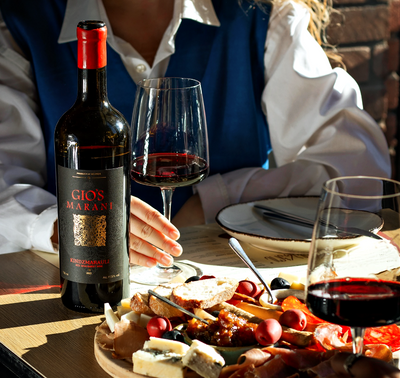
Georgian Wine Essentials A Clear Guide to Georgia Vintages

Updated on: April 11, 2026
Wine from the Caucasus region has captivated enthusiasts worldwide with its distinctive character, ancient winemaking traditions, and exceptional quality. This comprehensive guide explores the heritage, production methods, flavor profiles, and cultural significance of wines produced in the South Caucasus. Whether you are a seasoned collector or an emerging connoisseur, understanding these wines enriches your appreciation for one of the world's most authentic and historically significant wine regions.
Table of Contents
- Myths versus Facts About Caucasus Wine
- The Ancient Heritage of South Caucasus Winemaking
- Understanding Traditional Production Methods
- Exploring Distinctive Grape Varieties
- Step-by-Step Guide to Tasting and Selection
- Frequently Asked Questions
- Questions and Answers Section
- Summary and Key Takeaways
- About the Author
Myths versus Facts About Caucasus Wine
Several misconceptions surround wines from this historic region. Understanding the reality behind these myths helps consumers make informed decisions and appreciate the true quality of these products.
Myth: All wines from the South Caucasus taste identical
Fact: These wines demonstrate remarkable diversity. Different regions, elevations, and microclimates produce distinct flavor profiles. Red varieties offer varying levels of tannin complexity, while white wines range from crisp and mineral-driven to fuller-bodied expressions. Terroir plays a significant role in shaping the final product's character.
Myth: Traditional methods produce inferior quality wines
Fact: Ancient production techniques, including fermentation in large earthenware vessels, create exceptional complexity and natural flavor development. These methods have been refined over thousands of years and continue to produce award-winning wines recognized internationally for their authenticity and craftsmanship.
Myth: These wines are overly sweet or unsuitable for modern palates
Fact: While some semi-sweet varieties exist, producers today offer a complete spectrum including dry, off-dry, and naturally sweet options. Modern Caucasus winemakers balance tradition with contemporary techniques, appealing to diverse preferences and pairing possibilities.
The Ancient Heritage of South Caucasus Winemaking
The South Caucasus region, particularly the mountainous country on the eastern shore of the Black Sea, holds one of the world's oldest winemaking traditions. Archaeological evidence suggests viticulture has thrived in this area for over eight thousand years, making it one of the earliest centers of wine production globally. This lengthy heritage has created a deep cultural connection between the people of the region and winemaking as both an art form and a way of life.
Historical records indicate that wine production became increasingly sophisticated during the medieval period. Monasteries played a crucial role in preserving and advancing winemaking knowledge, establishing vineyards on hillsides with optimal sun exposure and natural drainage. These early producers understood terroir principles centuries before modern winemaking science articulated these concepts formally.

Ancient vineyard terraces cascading down misty mountain slopes with traditional stone structures
The region's wines gained international recognition through trade routes connecting Europe, Asia, and the Middle East. Merchants and travelers praised the quality and distinctive character of these wines, establishing demand in distant markets. This historical significance continues to define the region's winemaking identity today, with producers maintaining ancestral methods while embracing selective modern innovations.
Understanding Traditional Production Methods
The most distinctive aspect of winemaking in the South Caucasus involves the use of large earthenware vessels called qvevri for fermentation and aging. These ancient vessels, handcrafted from clay and partially buried underground, create unique environmental conditions that influence flavor development. The natural temperature regulation and oxygen exchange through clay walls create a distinctive winemaking environment that cannot be replicated with modern steel or oak containers.
The qvevri fermentation process involves minimal intervention. Winemakers add whole grape clusters, including stems and skins, allowing wild yeasts and natural microorganisms to initiate fermentation. This extended contact with solid grape components creates deeper color extraction, enhanced tannin development, and complex flavor compounds that define the region's characteristic style.
White wines produced using this amphora method develop an amber or golden hue and acquire tannins typically associated with red wines. This unconventional aging process produces wines with remarkable aging potential and a unique sensory profile that intrigues wine enthusiasts worldwide. Contemporary producers continue refining these ancestral techniques, demonstrating that tradition and quality need not be mutually exclusive.
Exploring Distinctive Grape Varieties
The South Caucasus region cultivates numerous indigenous grape varieties found nowhere else on Earth. These distinctive cultivars have adapted to local climate conditions over millennia, developing unique characteristics that express the region's terroir in profound ways.
Red Wine Varieties
The primary red grape variety, known for its dark color and structured tannin profile, dominates many vineyard plantings throughout the region. This varietal produces wines with deep fruit flavors, spice notes, and excellent aging potential. Premium expressions showcase the grape's ability to develop complex secondary flavors with extended bottle maturation. Other red varieties contribute subtle variations in flavor and texture, allowing winemakers to create blended wines with sophisticated balance.
White Wine Varieties
Indigenous white grapes produce wines with distinctive mineral characteristics and aromatic complexity. These varieties often display herbal notes, stone fruit flavors, and crisp acidity that make them versatile food-pairing options. White wine selections showcase the diversity of available cultivars, from light and delicate expressions to fuller-bodied aged examples.

Grapevines heavy with ripe fruit clusters in late afternoon sunlight
Step-by-Step Guide to Tasting and Selection
Developing a structured approach to wine tasting enhances appreciation and helps identify your personal preferences. This guide provides practical steps for evaluating wines from the South Caucasus region.
Step One: Visual Assessment
Begin by observing the wine in clear glass against white background. Note the color intensity, clarity, and viscosity. Caucasus wines often display deeper hues than wines from other regions, particularly those produced using traditional methods with extended skin contact.
Step Two: Aromatic Evaluation
Swirl the wine gently to release volatile compounds. Bring the glass to your nose and breathe naturally. Identify primary aromas including fruit, floral, and herbal notes. Secondary aromas from fermentation and aging develop with continued exposure to air.
Step Three: Palate Assessment
Take a small sip and allow the wine to coat your mouth. Evaluate sweetness, acidity, tannin structure, and body weight. Consider how flavors evolve from initial impression through the finish. Quality wines demonstrate complexity that unfolds gradually rather than immediately.
Step Four: Food Pairing Exploration
Experiment with traditional pairings including herb-forward dishes, grilled meats, and aged cheeses. Different wine styles complement various cuisines and preparation methods, enhancing both the wine and food experience.
Step Five: Storage and Cellaring Decisions
Determine whether to consume the wine immediately or age it further. Understand factors affecting longevity including alcohol content, acidity level, and tannin structure. Proper storage conditions preserve wine quality and allow positive development over years or decades.
Frequently Asked Questions
How should I store wines from the South Caucasus?
Store bottles horizontally in a cool, dark location maintaining temperature between fifty and sixty-five degrees Fahrenheit. Consistent temperature prevents expansion and contraction that damages wine. Darkness protects color and flavor compounds from light exposure. Higher acidity and tannin levels in many Caucasus wines provide excellent aging potential when stored properly.
What food pairings work best with these wines?
These wines pair exceptionally well with herb-infused dishes, grilled vegetables, aged cheeses, and slow-cooked meat preparations. The mineral character and tannin structure complement robust flavors without overwhelming delicate ingredients. Experiment with regional cuisine pairings to discover complementary flavor combinations that enhance your dining experience.
How do I distinguish quality differences between bottles?
Examine production methods, vineyard location, vintage year, and producer reputation. Wines produced in traditional qvevri vessels often command premium prices reflecting superior aging potential and complexity. Research individual producers to understand their quality standards and winemaking philosophy. Tasting notes from reputable sources provide insight into expected flavor profiles and characteristics.
Questions and Answers Section
What makes wines from the South Caucasus unique compared to other regions?
The combination of ancient winemaking traditions, indigenous grape varieties, and unique production methods creates distinctive characteristics unmatched by wines from other regions. The use of traditional qvevri vessels and natural fermentation processes produces flavors and textures that modern winemaking approaches cannot replicate. Additionally, the region's diverse terroir across multiple elevation zones creates remarkable variety within the category.
Are wines from the South Caucasus suitable for vegetarian and vegan diets?
Many wines from this region are suitable for vegetarian and vegan consumers, though fining agents used during production vary by winemaker. Some producers employ animal-based fining materials, while others use plant-based or mineral alternatives. Contact individual producers or check product specifications to confirm whether specific bottles meet your dietary requirements and preferences.
How has climate change affected viticulture in the South Caucasus region?
Changing weather patterns have prompted vineyard adaptations including adjusted harvest timing, modified irrigation practices, and consideration of alternative grape varieties. Despite these challenges, the region's diverse elevations and microclimates provide flexibility for maintaining quality production. Many producers view sustainable viticulture and environmental stewardship as essential for preserving this historic wine region for future generations.
Summary and Key Takeaways
Wine from the South Caucasus represents one of the world's most historically significant and authentic wine traditions. With over eight thousand years of continuous production, the region maintains distinctive methods, indigenous varieties, and a profound commitment to quality that distinguishes these wines in the global marketplace. Traditional production techniques using earthenware vessels create complexity and aging potential that appeals to serious collectors and curious newcomers alike.
Understanding the myths and facts surrounding these wines enables informed purchasing decisions and deeper appreciation for the craftsmanship behind each bottle. The remarkable diversity of available styles ensures options for every palate preference and food pairing scenario. By exploring this ancient wine region, you discover not merely beverages but historical artifacts representing millennia of cultural knowledge and agricultural mastery.
Whether you seek wines for immediate enjoyment or long-term cellaring, the South Caucasus region offers exceptional quality and authentic character. Start your exploration with accessible entry-level examples, then progress toward premium offerings as your appreciation deepens. Each bottle tells a story of tradition, terroir, and the passionate winemakers who maintain these precious methods across generations.
About the Author
This article was created by the team at TAMADA, specialists in bringing authentic South Caucasus wines and culinary products to wine enthusiasts worldwide. With extensive experience in the wine industry and deep knowledge of regional production methods, TAMADA remains committed to educating consumers about these remarkable wines. Our passion for preserving traditional methods while supporting contemporary producers drives our mission to share exceptional products and stories with discerning customers globally.