Blue Fenugreek Utskho Suneli Uses, Flavor & Pairings

Updated on: 2026-06-10
Blue Fenugreek Utskho Suneli adds a distinctive Georgian aroma to stews, marinades, and spice blends. It is prized for its warm, slightly bitter, and nutty character that supports bold flavors without overpowering them. In Georgian cooking, it often plays a supporting role in supra-style dishes, where layered seasoning is part of the cultural rhythm. When used with restraint, it helps sauces taste deeper and more integrated. When used boldly, it creates a clear signature note that mirrors regional spice traditions.
1. What Blue Fenugreek Utskho Suneli Is
2. Flavor Profile and Culinary Roles
3. How to Use Blue Fenugreek Utskho Suneli
4. Supra-Inspired Pairings and Recipe Ideas
What Blue Fenugreek Utskho Suneli Is
Blue Fenugreek Utskho Suneli is a dried spice derived from fenugreek seeds. In Georgian pantry practice, it is known for the way it carries aroma through heat and moisture. The spice appears in many spice assortments and can also be used as a standalone component when a cook wants a specific scent note.
Utskho-style suneli seasoning culture emphasizes balance: one ingredient should not dominate, and no single note should flatten the rest. Blue fenugreek contributes an earthy backbone that helps onions, garlic, herbs, and mild chilies taste more coherent. This makes it well suited for dishes that depend on long simmering and layered seasoning.
Flavor Profile and Culinary Roles
Blue fenugreek Utskho Suneli typically presents a warm, toasted aroma with a gentle bitter edge. Many cooks also describe a nutty impression, along with a slight sweetness that emerges after heat. These traits make it effective in sauces, where bitterness can read as structure rather than sharpness.
In Georgian cooking, seasonings often support the main ingredient rather than compete with it. Blue fenugreek can act as a flavor bridge between savory profiles and herbal notes. It complements dishes built on:
- Garlic and onion sweetness
- Herb-forward sauces
- Roasted and braised meats
- Vegetables that benefit from deeper seasoning
If you enjoy spice blends associated with Georgian cuisine, you will likely appreciate how fenugreek-based notes behave in a supra setting, where plates arrive together and flavors should remain distinct yet harmonized.

Spice aroma map with earthy tones and herb shapes
How to Use Blue Fenugreek Utskho Suneli
To use Blue Fenugreek Utskho Suneli effectively, focus on technique: activation through heat, timing during cooking, and correct ratios. The goal is to let fenugreek deepen the sauce while still feeling clean and intentional.
1) Start with a small dose
Begin with a modest amount. Fenugreek can expand in perception as it heats, so a cautious starting point helps you control intensity. After tasting, you can decide whether to add more at the end of simmering.
2) Bloom the spice for richer aroma
Blooming is a simple technique: warm oil or cooking fat, add the spice briefly, then add aromatics or liquid. This step releases aroma compounds into the cooking base and makes the spice taste rounder.
3) Choose the right timing
For soups and stews, add blue fenugreek early so it can integrate. For finishing touches on sauces, add later to preserve a more pronounced aroma. This timing approach helps you achieve the balance that Georgian cooks often pursue.
4) Pair with complementary seasonings
Fenugreek performs well alongside other Georgian spice directions such as coriander-like warmth, chili heat, and herbal brightness. Use seasoning blends to avoid overfitting your dish to one note.
5) Taste in stages
Adjust in stages, not all at once. Heat, salt, and acidity can shift how bitterness reads. When tasting, consider how the dish will feel after resting.
For a related spice base that often works well for similar cooking styles, you may also explore this option from our store:
Khmeli Suneli Ground 50g

Optional ratio guidance for everyday cooking
Use fenugreek in small increments relative to the overall recipe. A practical approach is to add it alongside other spices during the first seasoning pass, then refine near the end based on taste and texture. This method avoids a harsh, overly bitter result and supports a layered, Georgian-inspired profile.
Supra-Inspired Pairings and Recipe Ideas
Blue fenugreek Utskho Suneli fits naturally into the supra rhythm, where foods share the table and seasoning should remain coherent across courses. It pairs especially well with dishes that feature tomato, onion, herbs, and slow cooking. It can also elevate faster meals by adding depth to marinades and pan sauces.
Georgian-style braises and meat dishes
In braises, fenugreek supports the transition from sharp aromatics to rounded sauce flavor. It works with red meat and poultry when combined with garlic, onion, and a balanced sour note. The result is a sauce that tastes savory and composed rather than merely salty.
Bean, lentil, and vegetable comfort dishes
Plant-forward dishes benefit from fenugreek because it adds an earthy, toasted dimension that can otherwise be missing in legume-based meals. Pair it with aromatic vegetables and herb seasoning for a fuller mouthfeel.
Herb sauces and yogurt-based accompaniments
Fenugreek can be used lightly in herb-forward sauces to add structure. When combined with herbs and cooling elements, it should be treated as a subtle enhancer. This is where restrained dosing matters most.
Vegetarian mushroom and roasted vegetable plates
Roasting intensifies sweetness in vegetables. Blue fenugreek contributes a warm counterpoint, helping the overall plate feel more savory and less one-dimensional. This is a useful technique for feeding wine lovers who appreciate depth without heaviness.
If you are building a spice-forward pantry for Georgian cooking, you may also find these guides useful for planning your table variety:
- Svanetian salt for a ready-made seasoning approach
- Borsch seasoning as a benchmark for spice layering styles
- Georgian mustard to add tang and structure to sauces

Table spread concept with bowls, herbs, and spice dust
Storage, Timing, and Flavor Matching
Proper storage protects aroma, especially for seeds and dried spices. Keep blue fenugreek Utskho Suneli in an airtight container away from light and heat. When spices lose aroma, the flavor can taste flatter, which encourages cooks to add more than necessary. Fresh aroma supports the intended balance and reduces bitterness risk.
Timing matters as much as measurement. If you simmer fenugreek for long periods, the sauce becomes more integrated but the aroma may soften. If you add it at the end, aroma remains clearer, and the dish feels more fragrant. Choose based on the dish goal.
Flavor matching also follows Georgian logic: sauces often rely on a core of garlic, onion, and acidity, then expand through herbs and spices. If you want the fenugreek note to read as warm and nutty, keep bitterness supported by salt, sweetness from cooked onion, and a modest sour element. If you want a stronger aromatic impression, use a later addition and bloom briefly.
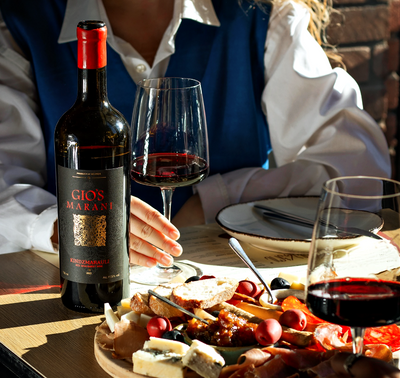
For a wine-lovers perspective, Georgian wine regions and food pairings often hinge on contrast: aromatic spices can meet textured wines, especially those with freshness and a medium body. A well-seasoned sauce can feel brighter alongside wine when acidity and tannin levels align with the dish weight. If you are mapping your tasting menu, consider pairing spiced braises with dry red wines such as those with savory structure.
For curated wine options that align with Georgian flavors, you can explore:
- Saperavi dry red
- Green tkemali style tartness for sauce brightness
Common Mistakes to Avoid
Even experienced cooks can overuse fenugreek. The most common issue is adding too much and then attempting to correct by adding extra salt or extra liquid. This can create an imbalanced sauce where bitterness becomes the dominant perception.
- Overdosing early: If you add too much at the start, the spice can sharpen and linger.
- Skipping blooming: Without warming the spice, the aroma can taste less complete.
- Ignoring sauce structure: Fenugreek performs better when garlic-onion sweetness and acidity are present.
- Adding at the end without tasting: Late additions are powerful. Adjust gradually.
If a dish tastes overly bitter, reduce fenugreek in future batches and increase integration through proper simmering, balanced seasoning, and supporting flavors such as cooked onions and herbs.
FAQ
How much Blue Fenugreek Utskho Suneli should I use?
Use it sparingly at first. Begin with a small amount alongside other spices, then taste after the sauce has heated and settled. Fenugreek intensity can rise during simmering, so incremental additions are the safest approach.
Can Blue Fenugreek Utskho Suneli be used in marinades?
Yes. It works well in marinades for meats, mushrooms, and hearty vegetables. Blooming the spice in a small amount of oil or mixing it into the marinade base helps distribute aroma evenly and improves integration.
Does Blue Fenugreek Utskho Suneli replace other Georgian spices?
It can complement, but it typically should not fully replace every spice. Georgian seasoning blends often include coriander-like warmth, chili heat, and herb character. Blue fenugreek provides a specific earthy note, so using it alongside other spices usually produces a more complete profile.
Closing Thoughts
Blue Fenugreek Utskho Suneli is a heritage-driven seasoning ingredient that brings depth, warmth, and a structured aroma to Georgian-style cooking. When you bloom it correctly, add it at the right moment, and taste in stages, it becomes a reliable tool for building sauces and marinades with clarity. Add it to your cooking plan for your next supra-inspired meal, and let the table reflect the discipline of Georgian flavor layering. If you aim for harmony rather than intensity, the results will feel distinctly composed.
For spice curiosity and broader pantry inspiration, you may also visit Kg2g.store once to explore additional culinary ideas.
About the Author Section
TAMADA is a specialist in Georgian wine and Qvevri wines, serving wine lovers, foodies, sommeliers, and restaurants with pairing-focused guidance and regional storytelling. Our expertise centers on balancing aromas and textures across wine and food, including supra culture, spice-driven sauces, and wine map education. We encourage readers to test small adjustments in cooking and to build meals that invite conversation at the table. Thank you for choosing a more intentional approach to Georgian-inspired flavor.
Disclaimer: This article is for educational and culinary guidance only. Flavor outcomes vary by ingredient quality, cooking method, and personal preference.