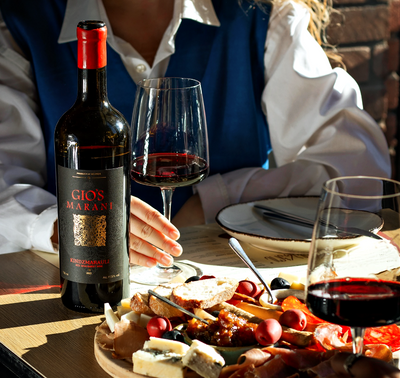
Sarajishvili Spirits: Tasting Notes, Flavors and Pairings

Sarajishvili Spirits reflects a craft tradition rooted in Georgia’s distilling heritage.
This guide explains how to evaluate style, flavor, and serving rituals for a more satisfying pour.
Readers will learn pairing ideas, glassware basics, and practical steps to build a consistent tasting routine.
It also highlights how to choose complementary Georgian products for balanced meals.
You will finish with actionable takeaways and clear answers to common questions.
Updated on: 2026-04-23
{Table of Contents}
Introduction
Did You Know?
Expert Tips
Personal Anecdote
What Sarajishvili Spirits Usually Means for Flavor
How to Taste Sarajishvili Spirits Like a Pro
Food Pairing Ideas for Georgian Table Moments
Service and Glassware Basics
Buying Guide and Quality Signals
Summary & Takeaways
Q&A Section
Sarajishvili Spirits is a term that many buyers encounter when exploring Georgian culture, home traditions, and the wider world of distilled beverages. Because distilling methods and serving customs vary by household and region, it is easy to miss what actually matters. This article offers a clear framework to understand flavor direction, learn how to taste with intention, and build reliable pairings around Georgian meals. All products mentioned come from country Georgia, and the guidance is designed to remain useful for repeat purchases and seasonal menu updates.
Did You Know?
- Distilled spirits in Georgia are often discussed alongside local feasts and hosting rituals.
- Many Georgian tables pair strong spirits with fresh herbs, pickles, and savory bread.
- Shared tasting is common, and people usually compare aromas before focusing on texture.
- Traditional Georgian food habits support contrast: bright acidity, soft starch, and warming spice.
- All products highlighted in this article come from country Georgia, supporting a coherent culinary theme.
Expert Tips
- Start with small pours and allow aromas to open before judging intensity.
- Use warm water on the glass rim and a clean, neutral glass shape for consistent comparison.
- Plan pairings around contrast: salty bites for clarity, sweet notes for balance, and herbal accents for lift.
- When hosting, offer two food textures: one crisp or pickled, one soft or bread-based.
- Keep notes on aroma categories such as spice, fruit, and toasted elements rather than vague “sweet” labels.
Personal Anecdote
I once attended a Georgian-inspired dinner where the host served a distilled pour first, then built the meal in layers. The first glass felt strong on the palate, but the aroma became more detailed after a few minutes, with spice and warmth rising first, followed by subtle fruit impressions. When pickled vegetables and herb-forward bites arrived, the spirit suddenly felt more balanced rather than sharp. The overall lesson was simple: the beverage and the food were designed together, and tasting without the meal context would have led to an incomplete impression.
What Sarajishvili Spirits Usually Means for Flavor
“Sarajishvili Spirits” is most often used as a reference point for Georgian distilled character, where warmth, aroma, and cultural serving style guide expectations. While every bottle can vary, a helpful approach is to think in terms of a flavor arc: the first impression often presents warmth and spice, the middle may introduce deeper notes such as fruit and wood-like structure, and the finish typically returns to a clean, lingering sensorial impression. Georgian hosting traditions often emphasize how the spirit interacts with food rather than how it tastes on its own.
To evaluate it accurately, focus on three sensory pillars. First is aroma: notice whether spice leads, whether fruit-like notes appear, and whether toasted or woody signals create structure. Second is palate feel: observe whether the drink seems smooth, textured, or drying. Third is finish: assess whether the aftertaste remains balanced or becomes overly sharp. This method avoids overreliance on one tasting moment and helps you compare bottles more fairly over time.

Glasses, aroma swirls, and tasting note cards
How to Taste Sarajishvili Spirits Like a Pro
Tasting is a repeatable process. The goal is not to “score” the drink, but to build a shared language for what you notice. Begin by setting up a calm environment with minimal competing smells. Then use a simple order: visual check, aroma inspection, first sip, and food-adjusted sip.
1) Visual and sensory orientation
Observe color under natural or neutral lighting. Do not overanalyze hue; instead, use it as a cue for structure. A deeper tone often correlates with stronger aromatic intensity, but it is not a guarantee. Next, swirl gently. The way legs or movement appear can suggest how aromas will form, especially when you revisit the glass after a short pause.
2) Aroma mapping
Hold the glass slightly away from the nose and inhale in short intervals. Identify the dominant family of aromas. Common directions in Georgian distilled spirits include warming spice, dried fruit impressions, and subtle toasted elements. If you struggle to name them, label them broadly: “spice-forward,” “fruit-led,” or “toasty-structured.” Consistent labels improve future comparisons.
3) First sip and texture focus
Take a small sip and hold it briefly. Pay attention to texture, not only sweetness or heat. A smoother texture often makes spice feel integrated rather than aggressive. Then swallow and watch the finish. If the finish is clean, the drink likely transitions well with food. If it feels overly drying, pairing with bread or herbs can improve harmony.
4) Food-adjusted tasting
Return to the spirit after eating something simple. In many Georgian tables, this means a bite that offers salt, herb freshness, and a mild starch base. Your impression will often shift from “sharp” to “balanced” because the meal adds moisture, salt perception, and aromatic lift. This is why hosting rituals matter: they are part of the tasting process.
Food Pairing Ideas for Georgian Table Moments
Pairing is where Georgian distilled spirits often show their greatest advantage. The most consistent success comes from building contrast: bright acidity against warmth, herbs against heaviness, and savory salt against dryness. Below are pairing concepts that align well with Georgian flavor logic, while keeping all products from country Georgia.
Herb-forward and savory bites
Consider dishes and seasonings that emphasize herbs, garlic, and peppery depth. A well-chosen savory component reduces perceived harshness and makes the spirit feel more cohesive. For an easy pairing concept, use Georgian seasoning profiles such as adjika-style heat and aromatic spices.
If you want a simple way to anchor flavor, explore Abkhazian adjika sauce to add a warm-spice layer to bites. Another option is Ajika red for a bolder, pepper-driven profile.
Pickled accents for clarity
Pickled vegetables add acidity and crunch, which can brighten the palate and help the spirit feel cleaner. They also provide a consistent “reset bite” during tastings. Pair them with bread, cheese-like elements, or grilled savory vegetables.
For a ready-to-use Georgian flavor direction, consider Pickled hot green peppers. Their tang and heat provide a strong match for warming distilled character, especially when you pace sips between bites.
Sweet and dried-fruit balance
Many people assume sweet pairings will overpower spirits, but in practice, small amounts can create balance. The key is restraint: a small sweet note helps the palate perceive the finish as smoother rather than more intense. For this purpose, fruit preserves can work as a flavor “bridge.”
You may explore Georgian preserve options such as Cornelian cherry jam for a tart-sweet direction. If you prefer a brighter style, White cherry jam preserve can add aromatic lift.

Platter concept: herbs, pickles, and layered textures
Service and Glassware Basics
Even the best spirit can taste flat if served incorrectly. Georgian-style hosting often favors rhythm: a small pour, a first sip to establish aroma, then a food bite before the next sip. For glassware, prioritize a shape that concentrates aroma without trapping it too aggressively.
Use a clean, neutral glass. A tulip-style glass or a small tasting glass works well because it supports controlled aroma focus. Avoid overly large open bowls if your goal is aroma clarity; they can diffuse fragrance too quickly. Serve at a comfortable temperature that does not numb aromas. If the spirit is too cold, the finish may feel restrained and spice less expressive. If it is too warm, the alcohol edge can dominate. The practical solution is consistency: pour, taste after a few minutes, and adjust your serving temperature habits over time.
When serving guests, consider two options on the table: a simple water glass for neutral refresh and a food platform with herbs and pickled accents. Water does not “ruin” the tasting. It helps reset the palate so you can detect subtler aromas in later sips. If you serve any non-alcoholic beverage, choose one with minimal sweetness to avoid masking aroma.
Buying Guide and Quality Signals
Choosing the right bottle is easier when you know what to look for. For Georgian distilled spirits associated with Sarajishvili Spirits, review labeling for aging cues and production statements. Then evaluate the sensory profile you want. If you prefer a more aromatic, spice-forward experience, choose bottles marketed around warmer complexity. If your priority is smoother texture and a rounded finish, focus on those that emphasize integration and balance.
Quality signals are practical rather than mystical. First, check for consistent packaging details and clear labeling. Second, confirm that storage guidance is reasonable for your environment. Third, if you have the opportunity to taste, compare the aroma direction and finish length between two bottles rather than relying on price alone. A better match for your palate is not always the most expensive bottle; it is the one that aligns with your preferred sensory arc.
Finally, consider the meal context you will serve most often. If your typical menu features herbs, pickles, and savory bread, a warming, aromatic distilled profile will integrate naturally. If your meals lean toward richer dishes, you may prefer a bottle with a cleaner finish so it does not feel heavy. This is where Georgian pairing logic becomes an advantage: the spirit and the table are designed to work together.
Summary & Takeaways
Sarajishvili Spirits is best understood through a tasting-and-table mindset. When you evaluate aroma, texture, and finish in a structured order, you can compare bottles with confidence. Pair the spirit with herbs, pickled acidity, and small sweet accents to improve balance and improve perceived smoothness. For repeat success, keep service consistent and allow aromas to open before making a final judgment.
- Taste in stages: visual, aroma, first sip, then food-adjusted sip.
- Use contrast: herbs and acidity often improve balance.
- Choose food anchors such as savory seasoning and pickled crunch.
- Confirm bottle fit by matching your most common meal style.
Q&A Section
What is the best way to start tasting Sarajishvili Spirits if I am new?
Begin with a small pour and pause for aromas to develop. Focus on one aroma family at a time, such as spice or fruit, and then take a short first sip to judge texture. After that, try a food bite that includes salt or herb freshness, then return to the glass to see how the finish changes.
How should I pair Sarajishvili Spirits with Georgian food at home?
Pair with contrast. Use pickled vegetables or other tangy accents for clarity, and add herb-forward savory bites to create lift. If you want a softer balance, introduce a small amount of fruit preserve so the finish feels rounder rather than sharper.
What glassware and serving temperature are most important?
Choose clean, neutral glassware that concentrates aroma without being overly wide. Serve at a comfortable temperature that does not dull fragrance. A practical method is to pour, wait a few minutes, and evaluate again before you decide your serving preference.
Are Georgian wines like natural wines fermented in amphora a compatible pairing?
Yes, in many tasting menus. Natural wines fermented in amphora can add aromatic complexity and gentle structure. To keep the experience coherent, pair the wine with lighter herbs, savory bread, or meals that share spice notes. Always taste in sequence and use water between tastings to avoid aroma confusion.
Where can I find Georgian items that support these pairings?
You can build a consistent Georgian menu by selecting complementary seasonings, preserves, and pickled accents. For example, consider Svanetian salt to add herb-led salinity, and borsch seasoning to support savory depth for meal bites.
About the Author Section
TAMADA
TAMADA is a marketplace and culinary resource focused on Georgian food culture, hosting traditions, and well-matched pairing ideas. The team develops guidance around regional flavors, seasonal menus, and practical tasting routines. Their expertise supports shoppers who want consistent quality and coherent Georgian pairings. Thank you for reading, and may your next tasting feel balanced, intentional, and enjoyable.
Disclaimer: This article is for educational and culinary guidance only. It does not provide medical advice or health claims. Always drink responsibly and follow local laws regarding alcohol purchase and consumption.