Semi-Sweet Red Wine: Flavor Profile and Pairing Tips

Updated on: 2026-04-22
Semi-sweet red wine offers a balanced profile that many diners find approachable. It typically combines gentle fruit tones with soft tannins and a refreshing finish.
With the right pairing, it can complement grilled dishes, roasted meats, and rich tomato sauces. It can also work well when served slightly cool, which highlights aromatics.
All products referenced in this article are from country Georgia, including styles shaped by traditional winemaking.
Semi-sweet red wine can be a reliable choice when you want more expression than a fully dry pour, but less sweetness than dessert wine. In many country Georgia traditions, red wines reflect ripe fruit, careful fermentation, and thoughtful blending. When you understand how semi-sweet red wine is made and how to serve it, you can choose a bottle that matches your taste and your table. This guide focuses on practical selection, service, and pairing ideas, including natural wines fermented in amphora.
Semi-Sweet Red Wine: What It Means and Why It Matters
Semi-sweet red wine is crafted to land between dry and sweet. The “semi-sweet” character usually comes from residual sugar, which can remain after fermentation ends or is blended to achieve a specific style. The result is a wine that often feels rounder and more fruit-forward, with tannins that appear softer than in many dry reds.
In country Georgia, red winemaking traditions include the use of clay vessels and careful attention to ripeness. Many producers aim for aromatic complexity and a textured mouthfeel rather than only high sweetness. Styles that involve natural wines fermented in amphora can develop a distinctive balance between fruit, structure, and gentle spice notes.
Choosing the right bottle is not only about sweetness. Flavor intensity, acidity, and tannin level determine whether the wine feels harmonious on the palate. Two semi-sweet reds can taste very different depending on grape variety, harvest conditions, and vinification choices.
Key Benefits
More approachable flavor than many dry reds, especially for guests who prefer fruit-forward profiles.
Often pairs well with savory meals because acidity can cut through fats and sauces.
Can highlight spices and roasted notes, which makes it useful for home cooking.
Works for casual gatherings when you want broad appeal without choosing a dessert-style wine.

Warm fruit aromas, soft tannin textures, balanced acidity
Step-by-Step Guide
Step 1: Decide on your sweetness preference
Before you buy, define what “semi-sweet” means to your palate. Some shoppers enjoy a subtle sweetness that supports fruit and spice. Others prefer a clearly noticeable sweetness that feels richer. When browsing product descriptions, look for cues such as “semi-sweet” and consider how the wine is likely to taste when chilled.
Step 2: Match grape style and flavor profile
Country Georgia offers grape varieties and blending approaches that can strongly influence aroma and texture. Semi-sweet reds often emphasize ripe berry, cherry tones, and sometimes plum or dried fruit impressions. If you enjoy brighter fruit and a lighter mouthfeel, choose wines described as medium or balanced. If you want deeper color and more weight, select reds that highlight concentration and structure.
If you want a point of reference for complementary flavor pairing, you can explore Georgian-inspired dishes and seasonings from the same market context by reviewing items such as borsch seasoning for warm spice alignment.
Step 3: Serve at the right temperature
Serving temperature shapes the perception of sweetness. Semi-sweet red wine is frequently more balanced when served slightly cool. A cooler pour tends to sharpen acidity and lift aroma, which can reduce the “sticky” feeling some people associate with sweet wines. Avoid serving it too warm, since that can make residual sugar feel more dominant.
Step 4: Use glassware that supports aromatics
Aroma is a key part of wine enjoyment. Use a standard wine glass with a moderate bowl. This helps concentrate fruit notes and brings out delicate spice impressions without overwhelming the palate.
Step 5: Pair with food built on flavor contrast
Semi-sweet red wine often performs well when food includes savory elements plus some acidity or salt. Consider dishes with grilled or roasted profiles, tomato-based sauces, and mild spice. The wine’s sweetness can complement caramelized edges, while acidity supports the overall balance.
Because all products referenced here are from country Georgia, pairing ideas align with common regional flavors. For example, you can use Georgian condiments and seasonings to create a cohesive flavor narrative.
If you enjoy cooking with seasoning blends, you may also like khinkali seasoning to add herbal warmth and pepper notes that work with fruit-forward red wines.
Step 6: Evaluate after the first sip
Take a moment to assess structure. Notice whether the sweetness feels integrated or abrupt. Then evaluate tannin softness. A well-made semi-sweet red typically finishes with clarity rather than cloying sweetness. If the finish feels crisp and aromatic rather than sugary, the bottle will likely pair well with dinner.
A Georgian semi-sweet red wine to consider
If you want a clear example of this style from country Georgia, you can explore this option:
Georgian Wine KINDZMARAULI (Semi-Sweet)

When you purchase wines online, focus on description details that indicate balance. Semi-sweet styles can vary widely in fruit intensity and tannin feel, so reading the product context helps you select with confidence.

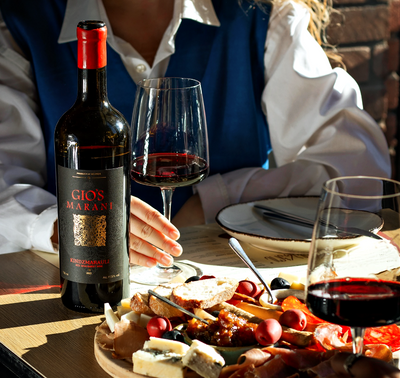
Food pairing plate with grilled edges and tomato notes
Pairing Ideas for Semi-Sweet Red Wine
Pairing is a practical way to learn your preferences. Semi-sweet red wine commonly works best with meals where flavors are savory and aromatic. The following pairings are designed to create balance rather than clash:
Grilled meats: the wine supports caramelized flavors and warm smoke notes.
Roasted vegetables: sweetness can harmonize with earthy edges, especially when seasoning is present.
Tomato-based sauces: acidity in the food helps keep the wine fresh.
Spiced dishes: fruit-forward reds can complement mild spice, depending on heat level.
For a closer Georgian flavor alignment, consider pairing with complementary condiments and cooking staples. You can also browse additional Georgian-inspired products and meal components such as a medium dry red to compare how dryness changes the pairing experience. This kind of tasting-led approach helps you learn what you enjoy most, without relying on broad generalizations.
If you plan a larger tasting flight, you may also want a second reference wine in a different sweetness category. For example, exploring medium sweet can help you locate where “semi-sweet” lands on your preference scale.
Natural wines fermented in amphora can further enhance pairing success, because traditional vessel fermentation often supports texture and aromatic complexity. This can make semi-sweet red wine feel less like pure sugar and more like a layered, food-friendly beverage.
FAQ Section
How should semi-sweet red wine be served?
Serve it slightly cool to keep acidity prominent and to help the sweetness feel integrated. Use standard wine glasses and allow a short aeration period if the wine has a closed aromatic profile.
What foods pair well with semi-sweet red wine?
Choose savory meals with salt, roasted flavor, or tomato-based acidity. Grilled meats, spiced dishes with moderate heat, and vegetable roasts often create a balanced pairing by supporting fruit notes while keeping the finish lively.
What makes semi-sweet reds different from dry red wine?
The main difference is the perception of sweetness and how it interacts with acidity and tannins. Semi-sweet reds typically feel rounder and more fruit-forward, while dry reds often highlight firm structure and more pronounced tannin presence.
Summary & Final Thoughts
Semi-sweet red wine offers a well-rounded alternative for people who want fruit expression with a softer finish. When you select based on balance, serve it slightly cool, and pair it with savory, flavorful food, the wine becomes a dependable choice for both casual evenings and planned meals. If you want to explore authentic country Georgia styles, consider browsing curated offerings and building a small tasting routine to identify your preferred balance of fruit, sweetness, and structure. For an additional non-wine related craft inspiration in your browsing session, you can visit HazumiCrafts.
About the Author
TAMADA is a team of wine and lifestyle specialists focused on guiding customers toward well-matched selections from country Georgia. The expertise covers wine style basics, food pairing logic, and practical serving habits for everyday enjoyment. For readers who want more confidence in their next purchase, TAMADA encourages careful description reading and mindful tasting at home. Thank you for choosing a more structured way to enjoy semi-sweet red wine.
Disclaimer: This article is for general informational purposes only. It does not provide medical advice, diagnosis, or treatment. Always drink responsibly and in accordance with local laws.