Georgian Sunflower Oil: Benefits, Uses, and Selection Tips

Updated on: 2026-06-13
Georgian sunflower oil is valued for its clean flavor, versatile cooking performance, and consistent texture in the kitchen. In Georgian food culture, oils are part of how people build balance on the plate, from simple salads to warm grains and roasted vegetables. It also pairs naturally with the bold flavors of spices, herbs, and tangy sauces commonly found in Georgian cooking. This guide explains how to choose quality, use it across dishes, and integrate it into a Georgian-inspired meal.
Introduction
Georgian sunflower oil sits in a unique culinary position. It is practical for everyday cooking, yet it can also support the more expressive elements of Georgian cuisine. Many Georgian meals rely on layered flavors: herbs that smell bright, spices that add warmth, and sauces that bring acidity. A well-made oil helps those flavors feel clean rather than heavy. For home cooks, this means simpler plating and more consistent results across pan-frying, roasting, and salad dressing.
In Georgia and in Georgian-inspired menus worldwide, sunflower oil is often treated as a neutral-but-flavorful base. When used thoughtfully, it supports the aroma of garlic, the brightness of herbs, and the depth of slow-simmered sauces. This is particularly useful for restaurants and sommeliers who want food to match wine character rather than compete with it.
At TAMADA, the focus extends from Georgian wine regions to the pantry choices that help build a coherent table. If you enjoy pairing food with Georgian wine, you are already thinking in the right direction. The next sections show exactly how to use Georgian sunflower oil across a step-by-step workflow.
Step-by-Step Guide
Use the steps below to choose, apply, and refine your results with Georgian sunflower oil. The goal is not complexity. The goal is control, clarity, and balance.
-
Check the sensory cues. Pour a small amount into a spoon. Look for a clear appearance and a mild, pleasant aroma. Avoid oils that smell harsh, rancid, or overly bitter.
-
Match the use case to the oil behavior. For dressings and finishing, choose a lighter hand. For roasting and sautéing, use enough oil to coat the surface evenly.
-
Start with a stable ratio. For pan work, begin with enough oil to create a thin film. For salads, begin with a small quantity and adjust after tasting.
-
Season after the oil warms. When sautéing, allow the oil to heat before adding ingredients that release aroma, such as garlic or herbs. This helps prevent harsh bitterness and improves roundness.
-
Build Georgian flavor layers. Add spices, then add moisture through sauces or vegetables. In many Georgian recipes, acidity and salt structure the meal, while oil provides mouthfeel.
-
Taste and correct. If the dish feels flat, add a bright element such as lemon-like acidity from pickled foods or vinegar-based notes. If it feels sharp, soften with a small additional drizzle.

Bright herbs, warm pan steam, gentle drizzle concept
A quick workflow for daily cooking
For everyday meals, treat Georgian sunflower oil as your flavor carrier. Start by heating the oil, then add aromatics briefly. Move quickly into vegetables, grains, or proteins. Finish with salt, herbs, and a touch of acidity. The result is a table-ready plate that feels fresh and aligned with Georgian flavor logic.
To explore Georgian-style pantry add-ons that complement oil-driven dishes, consider pairing your cooking with spices and condiments. For example, you can balance savory depth with borscht seasoning when preparing vegetable-forward bowls. For another direction, use sauces and spice blends that echo supra flavors. These choices help you keep the oil role clean rather than dominant.
Tips
- Use oil as a mouthfeel tool. If the dish feels dry, add oil gradually. If it feels oily, use acid and herbs to lift it.
- Keep aromatics brief. Garlic and dried spices can turn bitter if heated too long in oil. Aim for aroma, not browning.
- Choose the finishing stage intentionally. For salads and grilled vegetables, finish at the end to preserve freshness.
- Balance with pickles. Tangy pickled notes cut through richness, especially in bean-based meals and roasted vegetable platters.
- Coordinate with Georgian wine. A neutral oil allows wine aromatics to stay readable in the glass.
Georgian Pairings and Food Pairing Ideas
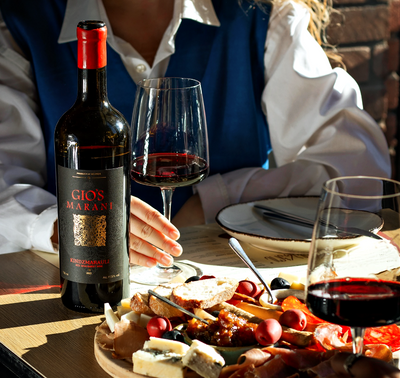
Georgian sunflower oil can serve as a bridge between food and wine. It does not overpower, so the plate can showcase herbal perfume, savory depth, and the subtle sweetness of grilled vegetables. When you build dishes for Georgian wine lovers, you want each element to occupy its own lane.
Salads and herb-driven plates
Use Georgian sunflower oil as the base for dressings with finely chopped herbs. Add salt, a small amount of acidity, and a gentle sweetness if the salad includes roasted peppers or tomatoes. This approach works well with vegetable platters found in supra tables, where fresh components follow richer courses.
If you incorporate pickled items, consider a complementary direction such as tangy tomato notes. You can even add them as a garnish to salads to create a layered bite. For a Georgian-style table concept, the following product can be used to add acidity and character in a non-intrusive way:
Kula Pickled Red Tomatoes 1000g
Pair these with a simple oil-and-herb dressing so the tomato acidity becomes a bright accent rather than a focal conflict.
Warm grains and sautéed vegetables
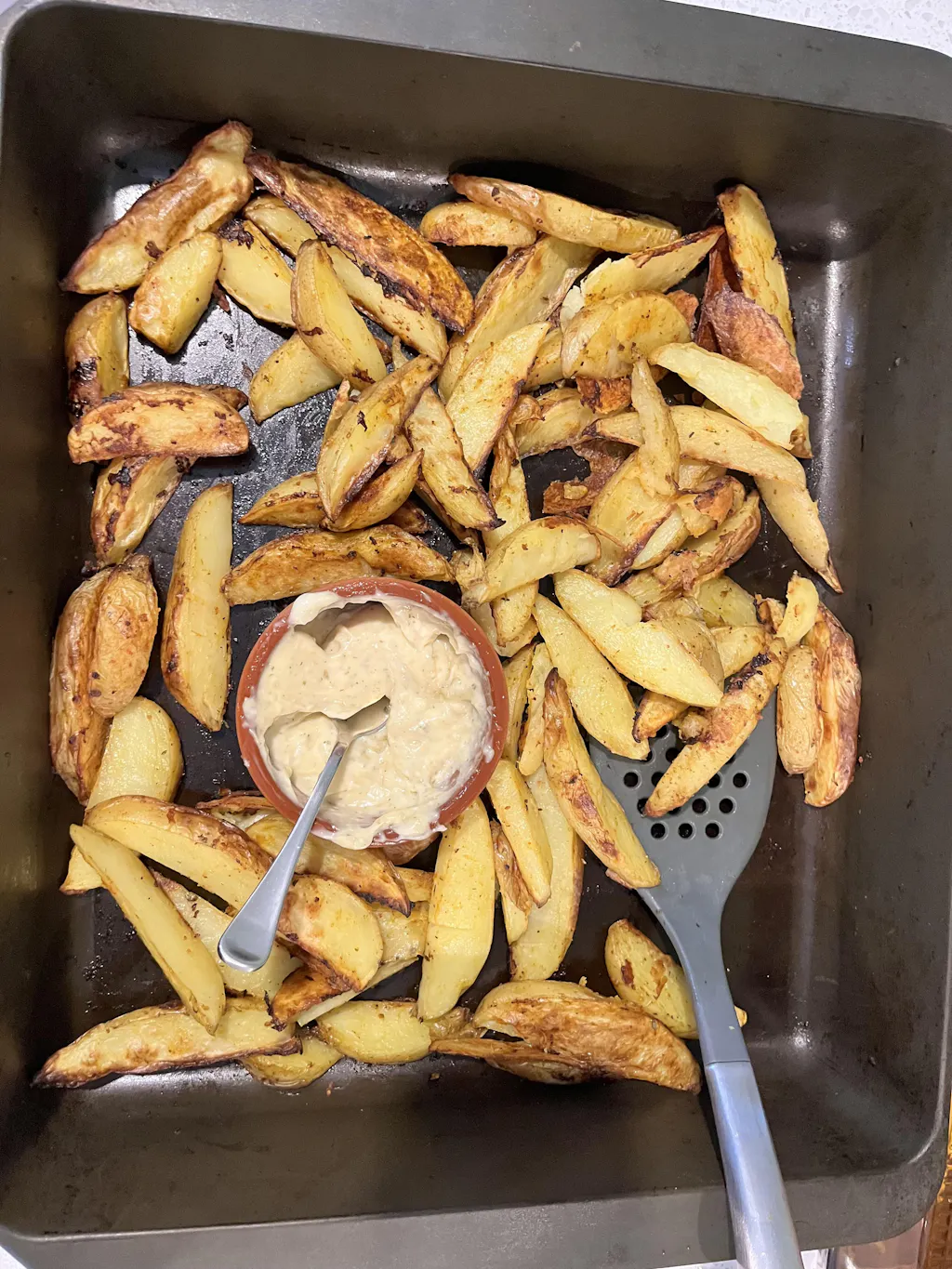
For warm dishes, oil helps vegetables caramelize and prevents sticking. Georgian sunflower oil supports even browning and a clean, edible aroma. Use it for sautéed mushrooms, eggplant, zucchini, and peppers. Then finish with herbs and a Georgian-style sauce if you want a more expressive finish.
To deepen flavor without overwhelming the oil, you can use spice-forward seasonings such as khinkali seasoning. This keeps the overall profile savory and aromatic, which supports wine pairing because the aroma remains coherent rather than chaotic.
Sauces, spices, and oil-based finishing
Many Georgian meals include bold condiments, from adjika-style heat to mustard notes. In these cases, Georgian sunflower oil acts like a stabilizer for texture. A small drizzle on top can make the dish feel cohesive, particularly when the sauce looks thick or concentrated.
If you want to add a classic condiment pathway, explore options like Georgian mustard. Use it carefully as a finishing component and keep the oil role supportive. When mustard and oil meet, the result should feel rounded and savory, not sharp.
Supra Culture: Using Oil Without Losing Character
Supra culture is not only about food quantity. It is about sequence, balance, and sensory variety. Oil choices influence how guests experience each course. With Georgian sunflower oil, the key advantage is that it rarely interrupts the aromas that guests associate with Georgian food.
In a well-composed supra, you might see warm starters, fresh salads, hearty mains, and a final burst of tangy or herbal notes. Oil supports this progression by improving mouthfeel and reducing dryness. It also helps spices disperse evenly, which supports a consistent bite from fork to fork.
To align with a Georgian wine map mindset, think of your oil as a neutral ground for aroma. Georgian wines often express fruit, acidity, and sometimes earthy complexity. When the oil is too heavy or too pungent, it can blur that structure. When the oil is clean and balanced, it helps the wine feel more precise.
How to Store and Handle Oil
Even the best Georgian sunflower oil performs best when it is stored correctly. Oil quality can decline when exposed to light, heat, and oxygen. Storage is not a detail. It is part of preserving the flavor profile you planned to serve.
-
Store in a cool, dark place. Cupboards away from the stove are ideal.
-
Keep the cap closed. Oxygen exposure can accelerate flavor loss.
-
Use clean utensils. Avoid transferring moisture or crumbs into the bottle.
-
Taste before serving. If aroma changes, replace the bottle rather than forcing the dish.

Cool pantry shadows, sealed bottle, tasting spoon concept
Serving considerations for restaurants and wine-focused hosts
If you serve Georgian wine with food, consistency matters. Use Georgian sunflower oil as a dependable base for prepped components such as vinaigrettes, roasted vegetable trays, and finishing drizzles. The neutrality helps the wine stay readable. It also simplifies staff training because the sensory outcomes are easier to predict.
For menus that want to reference Georgian regions, choose pairing logic based on dish intensity. Lighter plates typically align with fresher whites, while heavier, spice-driven mains align with richer reds. You can reinforce that approach through wine selections and by supporting flavor coherence on the plate. For deeper Georgian wine exploration, you may also consider browsing Georgian wine collections to understand how regional profiles translate to food.
FAQs
What does Georgian sunflower oil taste like in cooking?
Georgian sunflower oil typically offers a clean, mild profile. In most recipes, it does not dominate flavor. Instead, it supports herbs, spices, and vegetables by improving texture and helping aromatics distribute evenly.
How should I use Georgian sunflower oil for Georgian-style salads?
Start with a small amount of oil, then add salt and finely chopped herbs. Add acidity in measured amounts, especially if you include pickled ingredients. Taste after mixing and adjust slowly to achieve brightness without overpowering the vegetables.
Can Georgian sunflower oil be used for roasting and sautéing?
Yes. Use enough oil to coat the surface lightly, then heat until it becomes responsive. Add vegetables in a way that supports even contact, and avoid overcrowding. Finish with herbs and a clear seasoning plan for the best balance.
Does Georgian sunflower oil help food pair better with Georgian wine?
In most cases, it supports better pairing because it remains relatively neutral. This neutrality keeps the wine aroma and acidity more readable. For spicy or tangy dishes, it also helps sauces feel integrated rather than separate from the wine experience.
Wrap-up & Final Thoughts
Georgian sunflower oil is a dependable pantry ingredient that fits both everyday cooking and Georgian-inspired menus. It improves texture, supports even flavor distribution, and keeps dish aroma coherent, which is especially valuable when you pair food with Georgian wine. Choose a clean-tasting oil, use it with intention in roasting, dressings, and finishing, and balance it with acidity and herbs. When you do, the result is a table that feels curated, fresh, and aligned with supra-style hospitality.
If you are building a wine and food experience, treat oil as your structural element and seasoning as your expression. That approach makes every plate more consistent, and it makes your Georgian wine pairings feel deliberate.
For more ideas on Georgian pantry essentials and wine-focused pairings, visit TAMADA and explore the product range that supports a coordinated table.
About the Author Section
TAMADA is an Australia-based specialist in Georgian wine and Qvevri wines, with deep attention to how food and wine harmonize across Georgian regions. The team approach emphasizes educational pairing logic, supra culture storytelling, and ingredient choices that keep flavor profiles clear. For readers who host, cook, or build menus, the goal is to help you create confident, memorable tables. Thank you for cooking with intention and exploring Georgian character with every plate.
Disclaimer: This article is for general cooking and pairing guidance only. It does not provide medical advice or health claims. Always follow product labels and safe food handling practices.