Organic Georgian Wine: Tasting Notes and Pairing Guide

Updated on: 2026-05-06
Organic Georgian wine offers an uncommon mix of indigenous grape character and low-intervention farming. Readers will learn how organic practices are applied in Georgia vineyards and what to expect in flavor and texture. The post also covers amphora fermentation, typical tasting notes, and food pairing logic. Finally, practical buying and serving guidance is included to help you choose with confidence.
Table of Contents
1. How to use this guide
2. Did You Know?
3. Expert Tips
4. Personal Anecdote
5. Summary & Takeaways
6. Q&A Section
7. About the Author
Organic Georgian wine is gaining attention for a reason: it connects farming choices, traditional winemaking, and place-based flavor in one glass. Georgia is often described as a cradle of wine culture, but the modern appeal goes beyond heritage. Today, many producers emphasize organic viticulture and careful cellar methods, including natural wines fermented in amphora. When these approaches align, the result is a bottle that tastes more like the vineyard and less like generic winemaking. If you want to choose wines with clarity and purpose, it helps to understand what “organic” can mean in practice and how Georgian styles typically present on the palate.
How to use this guide
This guide is designed to help you select organic Georgian wine, understand key production signals, and pair it intelligently with food. Start with the quick facts in the next section, then review the expert tips for shopping and serving. You will also find a short personal anecdote that explains why amphora-driven textures matter. Use the takeaways to form a simple decision routine for your next bottle.
If you are shopping, consider pairing wine choices with compatible Georgian flavors from your kitchen. For example, you can explore Georgian red wine pairings alongside robust dishes, using recipes and seasoning foundations that match the region’s profile.
Did You Know?
- Georgia is known for winemaking traditions that predate many European systems.
- Many producers use natural wines fermented in amphora to shape texture and aromatics.
- Organic Georgian wine often highlights vineyard health, not just cellar techniques.
- Indigenous grape varieties in Georgia can deliver distinctive spice, stone fruit, and herbal nuances.
- Appreciation grows when you taste by structure: acidity, tannin, and ferment character.
Expert Tips
Experts often recommend evaluating organic Georgian wine with a practical checklist rather than relying on labels alone. “Organic” can be expressed through farming standards, vineyard management, and documentation. Therefore, the safest approach is to combine organic claims with measurable taste signals: purity of fruit, balanced acidity, and a clean finish. The following tips focus on the decisions that matter most.
- Look for vineyard clarity: Organic practice should support a fresh fruit profile and stable structure in the glass.
- Identify fermentation signals: Natural wines fermented in amphora commonly present with layered aroma, earthy lift, and a textured mouthfeel.
- Match the style to the meal: Dry reds usually align with grilled meats and savory stews, while whites can handle salads, herbs, and light spice.
- Prefer balance over intensity: A well-made organic Georgian wine should feel coherent, with acidity and fruit in agreement.
- Check tannin behavior: If tannins feel grippy, pair with fattier dishes; if they feel soft, pair with tomato-forward or herb-heavy meals.
- Serve slightly cool when needed: Many Georgian wines benefit from a temperature range that preserves aromatics while keeping acidity lively.
To make these tips actionable, you can browse a few Georgian bottle styles and compare their structure. For example, if you want a Saperavi-driven experience, a carefully crafted Saperavi can show how red tannin and dark fruit interact. You can start with a product page such as Saperavi dry red to see how structure and dryness are presented in descriptions.

Amphora silhouette, swirling aromas, balanced tasting notes
How organic farming changes what you taste
Organic viticulture typically emphasizes soil health and restrained chemical inputs. In practice, this can influence vigor control, berry composition, and disease pressure handling. The direct result is not a single flavor guarantee, but rather a higher chance of expressing the vineyard’s natural rhythm. In many organic Georgian wine offerings, consumers notice brighter fruit expression and a more deliberate integration of spice and mineral impressions.
To evaluate these effects, taste for coherence across the palate. If the wine feels clean at the finish and the aroma returns in a natural way, the farming and winemaking often complement each other. If the wine feels disjointed, the bottle may reflect extraction or cellar adjustments that do not align with organic goals.
Interpreting Georgian variety and style
Georgia has a wide map of indigenous grape character. Rather than memorizing every name, use structural descriptors. Saperavi often brings deeper color, noticeable tannin, and dark fruit depth. Sweet styles can be aromatic and round, with dessert-friendly balance when acidity remains present. Dry whites commonly emphasize freshness, herbal lift, and a mineral-like finish.
When you are shopping, read product information with an eye for dryness, fermentation direction, and pairing alignment. If the descriptions mention specific Georgian styles, treat them as guidance for what you will likely experience in texture and aromatics.
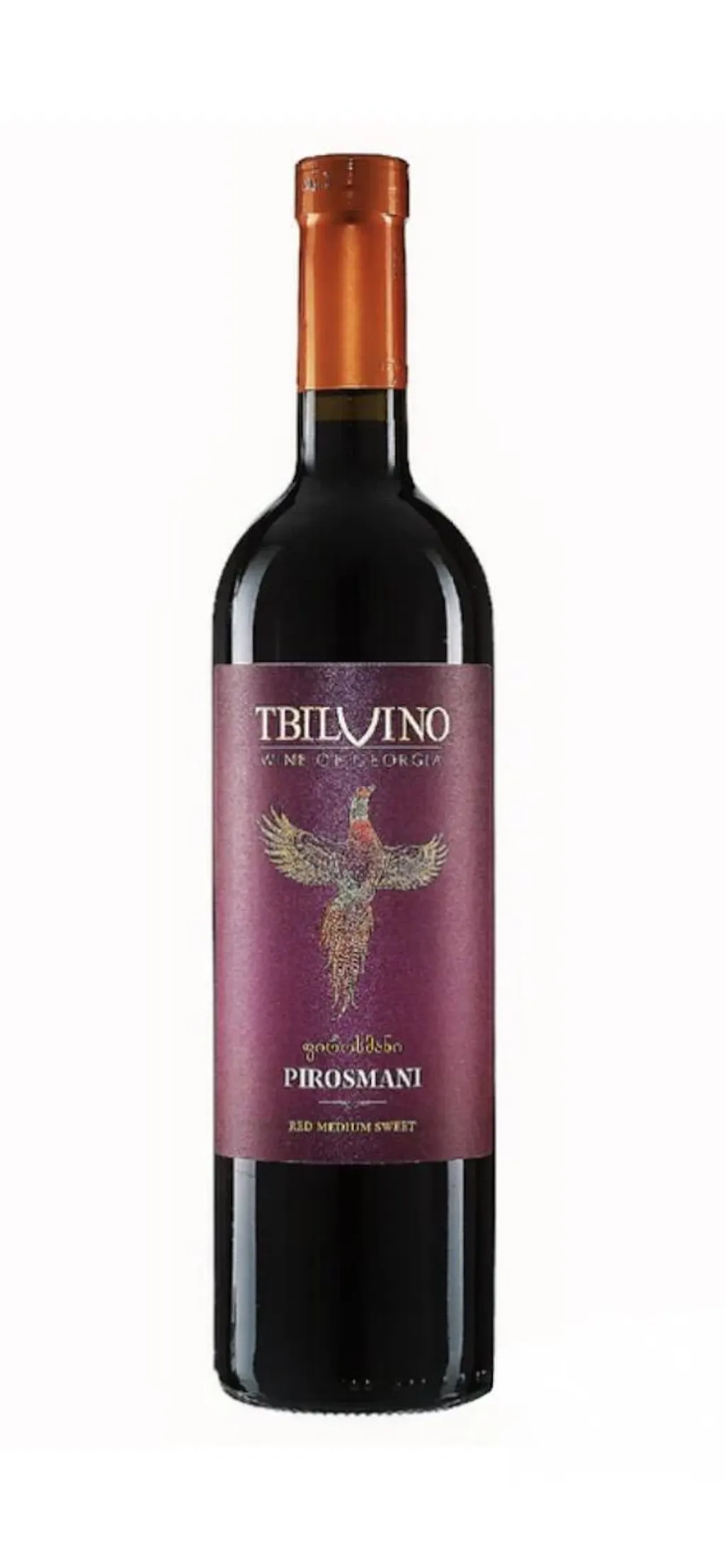
For example, if you prefer a medium dry red profile with approachable fruit and restrained oak influence, you can review a selection such as medium dry red. If you want a sweet benchmark for comparisons, a product such as medium sweet wine can help you map how residual sugar and acidity interact.
Personal Anecdote
I remember tasting a Georgian bottle that clearly reflected natural wines fermented in amphora. At first, the aroma seemed unconventional to my palate, with a mix of fruit and earthy lift that arrived in layers rather than in a single burst. When I took the next sip, the texture stood out. It was not thin or watery; it felt structured and gently grainy, as if the wine carried its own internal texture. The finish remained clean, which made the experience feel balanced rather than rustic.
After that tasting, I began to treat “fermentation method” as more than a technical detail. Amphora can influence how oxygen exposure and micro-integration shape the wine’s mouthfeel, and Georgian production traditions often make that influence noticeable. If you prefer wines that feel vivid but not aggressive, you may find that this style aligns well with simple meals that allow aromatics to stand forward.

Glasses, layered textures, herbs and savory steam cues
Summary & Takeaways
Organic Georgian wine can be a high-value choice when you want authenticity supported by practical farming discipline. The most important takeaway is to evaluate the bottle through structure: acidity, tannin, and aromatic clarity. Natural wines fermented in amphora can add a distinctive textured quality, and indigenous varieties can deliver memorable spice, fruit, and herbal impressions. Instead of chasing one perfect tasting note, build a repeatable selection process based on style and balance.
- Start with organic intent, then confirm with taste signals: purity, integration, and clean finish.
- Use amphora as a texture clue when you want layered aromatics and a more tactile sip.
- Choose matching styles for your meal: dry reds for savory depth, whites for freshness, sweet options for aromatic desserts.
- Read product context and compare structure across bottles to avoid guesswork.
- If you cook Georgian-inspired food, consider seasoning intensity so the wine has room to express.
As you refine your preferences, keep food pairing practical. If your menu features bold Georgian flavors, you may also enjoy exploring complementary ingredients such as Georgian seasoning profiles. For example, you can explore khinkali seasoning to create a flavor bridge that supports the wine’s herbal and savory notes.
Q&A Section
What does organic mean in Organic Georgian wine?
Organic typically refers to vineyard practices that prioritize soil health and limit certain synthetic inputs. In Organic Georgian wine, this can help support consistent fruit development and may contribute to the fresh, coherent character consumers associate with organic offerings. Organic status is usually tied to farming standards, so you should also consider taste cues such as clean aromatics, balanced acidity, and an integrated finish.
Are natural wines fermented in amphora always better?
Amphora fermentation is not automatically superior. It is a method that can shape texture and aroma expression, particularly through contact characteristics and micro-oxygen dynamics. Many drinkers value this style for its layered aromatics and tactile mouthfeel. The best approach is personal fit: choose amphora-fermented bottles when you want complexity and structure, and choose other fermentation styles when you prefer a lighter or more straightforward presentation.
How should I pair Organic Georgian wine with food?
Begin with wine structure. Dry reds with solid tannin often pair well with grilled proteins, rich sauces, and herb-forward dishes. Whites with fresh acidity work well with salads, citrus elements, and lightly spiced meals. For sweet Georgian styles, pair with desserts, fruit-forward flavors, or aromatic cheese boards where acidity can prevent the pairing from feeling heavy.
Is Organic Georgian wine suitable for beginners?
Yes, Organic Georgian wine can be approachable when you choose styles that match your taste baseline. If you prefer low tannin and clear fruit, start with medium dry profiles or gentle styles. If you enjoy bold reds and spice, a Saperavi-driven bottle can be a strong starting point. Reading dryness and structure cues in product descriptions helps beginners make informed selections.
What are common tasting features to expect?
Many organic Georgian wines show a blend of fruit clarity and place-driven spice or herbal notes. Amphora-fermented wines often show a more textured sip and layered aromatics. Expect balance rather than extremes, with finishes that feel clean when the wine is well made and the farming supports healthy grape composition.
About the Author
TAMADA is a retail and content team focused on Georgian food and wine education. The author contributes expertise in pairing guidance, product storytelling, and consumer-friendly wine interpretation based on widely used industry standards. This article aims to help readers make confident choices without exaggerated promises. Thank you for reading and exploring organic Georgian wine with a structured, informed mindset.
Disclaimer: This article is for general educational purposes only. Wine experiences vary by vintage, storage conditions, and personal preference. Availability and product details may change over time.