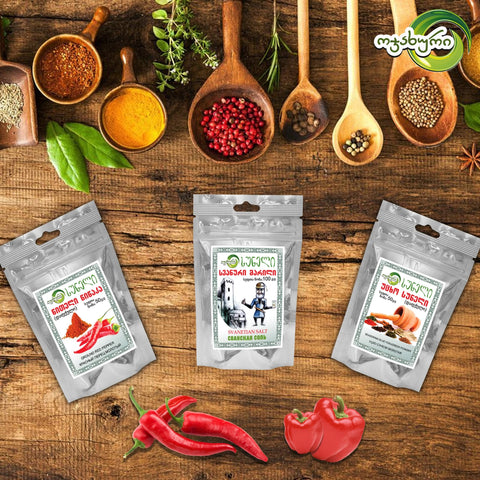
Blue Fenugreek, or Utskho Suneli, is one of Georgia’s most loved spices. Discover its traditional uses, try a warming vegan stew, and shop authentic Georgian flavour from Tamada
There is nothing more warming than having khinkali on a cold winter day. The first bite releases a burst of rich, deep broth, and that combination of hot filling and tender dough makes them feel comforting from the inside out. Khinkali are satisfying in a way that goes beyond flavor alone: they are hearty, filling, and best enjoyed slowly, which makes the meal feel like a mother’s hug.
Khinkali are more than food; they are a small ceremony of winter. The steam rising from the plate, the pepper clinging to the folds, the rich savor of the filling all come together like a story told slowly at the table. They invite you to pause, to savor, to let the cold outside fade while warmth gathers around the meal.
In every bite there is abundance, in every burst of broth there is comfort, and in every pleated edge there is tradition shaped by hand. Khinkali taste like shelter, like gathering, like the simple luxury of being warm when the world is cold.
Khinkali are Georgian dumplings, usually filled with seasoned meat, herbs, and broth, then twisted into a thick knot at the top before boiling. They’re known for their juicy filling and are eaten by hand.
Serving Style
They’re often served hot with black pepper on top, sometimes with butter or sour cream depending on the region and personal preference.
Are you searching for a delectable vegan recipe that will satisfy both your taste buds and your conscience? Look no further than our mouthwatering eggplant rolls. Bursting with flavor and packed with nutritious ingredients, this recipe is the perfect choice for those following a vegan lifestyle. Our eggplant rolls are a delightful combination of tender roasted eggplant, toasted walnut filling, and a tangy garlic sauce. They provide a satisfying and hearty meal that will leave you craving for more. Not only are these rolls incredibly delicious, but they are also easy to prepare. With just a few simple steps, you can create a stunning dish that will impress your family and friends. Whether you are a longtime vegan or simply looking to incorporate more plant-based meals into your diet, our eggplant rolls are a must-try. They prove that vegan food can be both incredibly tasty and satisfying. So, why wait? Discover the perfect eggplant rolls recipe today and indulge in a divine and cruelty-free dining experience.
Benefits of a Vegan Diet
Following a vegan diet has numerous benefits, both for your health and the environment. By eliminating animal products from your meals, you reduce your intake of saturated fats and cholesterol, which can help lower the risk of heart disease and improve overall cardiovascular health. Additionally, a vegan diet is typically rich in fiber, antioxidants, and essential nutrients, promoting better digestion and a stronger immune system.
Not only does a vegan diet benefit your health, but it also helps protect the environment. Animal agriculture is a significant contributor to greenhouse gas emissions, deforestation, and water pollution. By opting for plant-based meals like our eggplant rolls, you can make a positive impact on the planet while enjoying a delicious and satisfying meal.
Ingredients for Eggplant Rolls
To create our divine eggplant rolls, you will need the following ingredients:
1. Preheat your oven to 375°F (190°C) and line a baking sheet with parchment paper.2. Slice the eggplants lengthwise into thin strips, approximately 1/4 inch thick.3. Lay the eggplant slices on the prepared baking sheet and brush both sides with olive oil. Season with salt and pepper.4. Roast the eggplant slices in the preheated oven for about 15 minutes, or until they become tender and slightly golden. Remove from the oven and let them cool.5. In a blender, combine the toasted walnuts, spices, garlic, wine vinegar, chopped onions, salt, and pepper. Blend until combined coarsely .6. Take a roasted eggplant slice and place a spoonful of the walnut mixture on one end. Gently roll the eggplant slice, enclosing the filling. Repeat with the remaining slices and filling.7. Place the rolled eggplant slices back on ta plate and garnish with pomegranate molasses and coriander.
Alternatively roast sliced eggplant on lightly oiled frypan until golden.
Tips for a Successful Eggplant Roll Recipe
- Choose firm and glossy eggplants for the best results.- Salt the eggplant slices before roasting to draw out any excess moisture and reduce bitterness.- Toasting the walnuts brings out their natural oils and enhances their taste. Be sure to keep an eye on them to avoid burning.- Experiment with different fillings and spices to personalize your eggplant rolls. Consider adding roasted red peppers, vegan cheese, or even a sprinkle of chili flakes for some heat.- If you prefer a creamier texture, you can blend some of the walnut mixture with a little plant-based milk or vegan mayonnaise before filling the eggplant slices.
Variations and Additions to the Eggplant Roll Recipe
While our original eggplant rolls recipe is already a delightful combination of flavors, feel free to get creative and make it your own. Here are some variations and additions you can consider:
- Add a layer of wilted spinach or sautéed mushrooms for extra earthy flavors.- Swap the quinoa for cooked lentils or chickpeas to increase the protein content.- Drizzle some balsamic glaze or tahini sauce over the rolls before serving for an added depth of flavor.- Sprinkle nutritional yeast or vegan parmesan cheese on top of the rolls for a cheesy touch.
Health Benefits of Eggplant
Eggplants, the star ingredient of our vegan rolls, offer a range of health benefits. Rich in fiber, they promote healthy digestion and can aid in weight management. Eggplants are also packed with antioxidants, particularly nasunin, which protects the cells from free radical damage and supports brain health. Additionally, they are a good source of vitamins, minerals, and phytonutrients, contributing to overall wellness.
Serving Suggestions and Pairing Options
Our divine eggplant rolls can be enjoyed in various ways. Here are some serving suggestions and pairing options to elevate your dining experience:
- Serve the eggplant rolls as an appetizer or main course alongside a fresh green salad.- Drizzle a generous amount of homemade garlic sauce over the rolls for an extra burst of flavor.- Pair the rolls with a side of roasted vegetables, such as bell peppers, zucchini, or cherry tomatoes.- For a complete meal, serve the eggplant rolls with a side of whole grains, such as brown rice or quinoa.
Conclusion and Final Thoughts
In conclusion, our eggplant rolls are a testament to the fact that vegan food can be both incredibly tasty and satisfying. With their tender roasted eggplant, flavorful walnut filling, and tangy garlic sauce, these rolls provide a delightful and healthy meal option for vegans and non-vegans alike.
By incorporating more plant-based meals into your diet, such as our eggplant rolls, you not only support your own well-being but also contribute to a more sustainable and compassionate world. So why wait? Discover the perfect eggplant rolls recipe today and indulge in a divine and cruelty-free dining experience.
Remember, the possibilities are endless when it comes to variations and additions to this recipe. Let your creativity soar and make the eggplant rolls truly your own. Enjoy!
Georgian cuisine is renowned for its bold and flavorful dishes, which are often characterized by the use of a wide variety of aromatic spices and herbs. The use of spices in Georgian cooking reflects the country's rich history and cultural heritage, as well as its position at the crossroads of Europe and Asia. From warming cinnamon and exotic saffron to pungent garlic and fragrant cilantro, Georgian cuisine is a delightful fusion of diverse flavors that come together to create unique and delicious dishes.
One of the most commonly used spices in Georgian cuisine is khmeli suneli, a traditional spice blend that typically includes a mix of coriander, fenugreek, marigold petals, and other herbs and spices. Khmeli suneli is used to season a wide range of dishes, including stews, soups, and grilled meats, and adds a warm and complex flavor to the food. It is often prepared fresh by grinding whole spices together, giving it a vibrant and aromatic quality that enhances the overall taste of the dish.
Another popular spice in Georgian cooking is saffron, a prized and expensive spice known for its distinctive flavor and vibrant color. Saffron is often used in rice dishes, such as pilaf, where it lends a floral and slightly sweet taste to the dish. It is also used in desserts and teas, adding a touch of luxury and sophistication to the final product.
Garlic is a staple ingredient in Georgian cuisine and is used generously in many dishes. Whether roasted, minced, or sliced, garlic adds depth and richness to soups, sauces, and marinades. In Georgian cooking, garlic is often combined with herbs such as cilantro and parsley to create flavorful and aromatic sauces, such as tkemali, a tangy plum sauce that is commonly served with meat dishes.
Cilantro is another herb that features prominently in Georgian cooking, lending a fresh and citrusy flavor to dishes. It is often used as a garnish or added to sauces and salads to enhance the overall taste of the dish. Cilantro pairs well with other spices such as cumin and coriander, adding complexity and depth to the flavors of the food.
One of the most distinctive spices in Georgian cuisine is blue fenugreek, a slightly bitter and savory herb that is commonly used in meat and vegetable dishes. Blue fenugreek has a unique flavor profile that is difficult to replicate with other spices, making it a key component in many traditional Georgian recipes. It is often used in spice blends such as adjika, a fiery paste made from chili peppers, garlic, and various spices, which is used to season meat and fish dishes.
In addition to these spices, Georgian cuisine also includes a variety of warming and aromatic spices such as cinnamon, cloves, and nutmeg. These spices are often used in desserts and baked goods, adding a sweet and spicy flavor to dishes such as baklava, a popular Georgian pastry made with layers of phyllo dough, nuts, and honey.
Overall, the use of spices in Georgian cuisine reflects the country's vibrant culinary tradition and rich cultural heritage. By using a diverse array of aromatic herbs and spices, Georgian cooks are able to create dishes that are not only delicious but also deeply satisfying to the senses. Whether it's the warm and comforting flavors of khmeli suneli or the exotic aroma of saffron, Georgian spices play a crucial role in shaping the unique and flavorful dishes that have made Georgian cuisine beloved around the world.
Khachapuri is best enjoyed fresh out of the oven when the cheese is still gooey and delicious. Try this Khatchapuri recipe and Enjoy your homemade khachapuri!